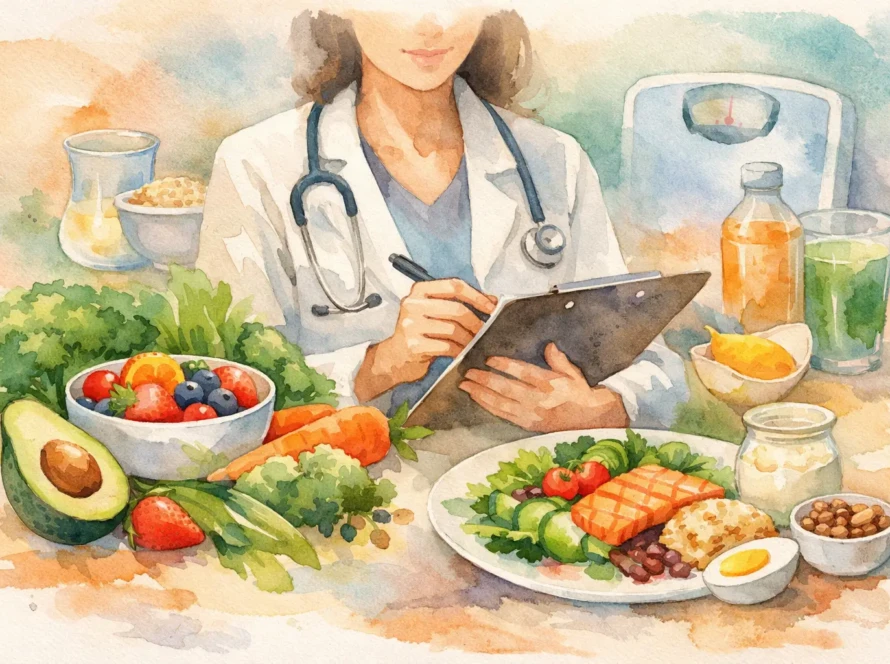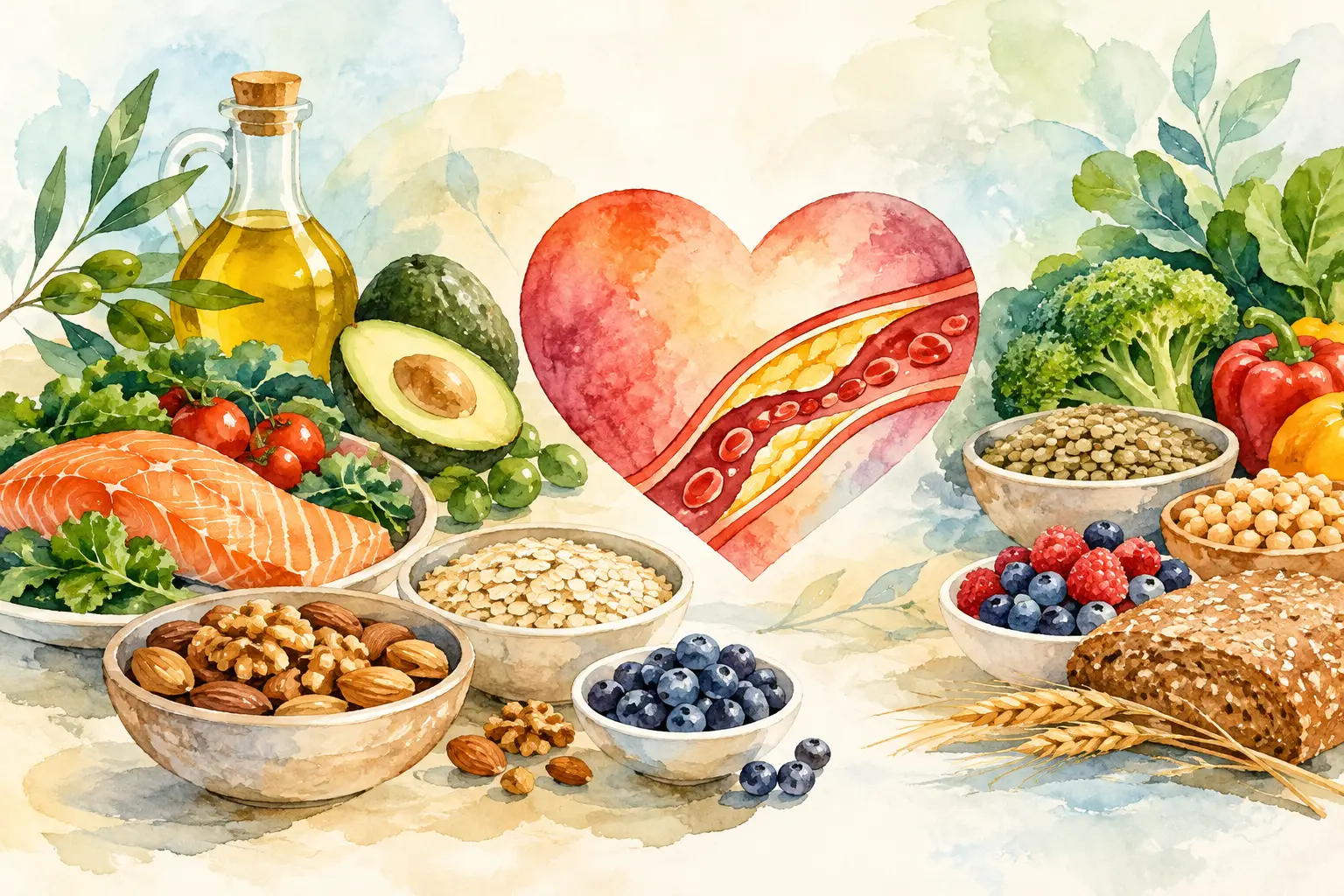
A raised cholesterol result can feel confusing when you already believe you eat reasonably well. The truth is that cholesterol is rarely about one “bad” food or a short-term detox. This cholesterol nutrition guide focuses on the eating patterns that can support healthier blood lipids while still fitting family meals, workdays, celebrations and real appetites.
Cholesterol management does not mean living on plain salads or cutting out every food you enjoy. It means making consistent choices that help lower LDL cholesterol, often called “bad” cholesterol, while protecting the quality of your overall diet. For some people, nutrition changes are enough to make a meaningful difference. For others, medication may also be needed. Both approaches can work together.
What cholesterol levels are really telling you
Cholesterol is a waxy substance your body needs for hormones, vitamin D and cell function. Your liver produces much of it, while food choices can influence the amount of cholesterol and fat circulating in your blood.
The key figure many people need to improve is LDL cholesterol. When LDL remains high over time, it can contribute to fatty deposits in blood vessels and raise cardiovascular risk. HDL cholesterol is often described as “good” cholesterol because it helps carry cholesterol away from the bloodstream. Triglycerides, another type of blood fat, also matter and may rise with excess alcohol, sugary drinks, refined carbohydrates, inactivity or poorly managed diabetes.
A blood report should always be viewed in context. Age, family history, thyroid function, diabetes, blood pressure, weight around the waist, smoking, pregnancy history and medicines can all affect risk. A single diet plan copied from the internet cannot account for this.
Cholesterol nutrition guide: start with the fats you use
The most useful place to begin is not with dietary cholesterol from foods like eggs. It is with saturated and trans fats. Saturated fat can raise LDL cholesterol in many people, especially when it regularly comes from fried foods, bakery items, processed meats, full-fat dairy, butter, ghee, cream, coconut-heavy preparations and palm oil.
You do not need to remove all fat from your plate. Your body needs fat, and meals without it can be unsatisfying. The goal is to use more unsaturated fats in sensible portions. These include nuts, seeds, avocado, olives, mustard oil, groundnut oil, rice bran oil and oily fish such as salmon, sardines or mackerel.
In practical terms, this may mean using less ghee or butter for everyday cooking rather than banning it completely. Choose grilled, baked, steamed or lightly sautéed foods more often than deep-fried snacks. When buying packaged foods, check the label for saturated fat and avoid products containing partially hydrogenated fats.
Portion size still matters. Nuts and seeds are heart-friendly, but handful after handful can add more energy than you realise. A small closed handful of unsalted nuts is usually a better daily habit than large quantities of “healthy” snack foods.
Build more fibre into ordinary meals
Soluble fibre is particularly helpful for cholesterol because it binds with cholesterol-containing bile acids in the gut, helping the body remove them. Oats, barley, beans, lentils, chickpeas, apples, pears, citrus fruits, okra and psyllium husk are useful sources.
This does not require unfamiliar meals. Start breakfast with porridge oats, overnight oats or a vegetable oats cheela. Add dal, rajma, chana or lobia to lunch and dinner through the week. Choose whole fruit instead of fruit juice, and include vegetables generously with your main meal.
Wholegrains can also help, although the best choice depends on your digestion, preferences and cultural food habits. You might use wholewheat roti, brown rice, red rice, millet, quinoa or barley in place of refined grains for some meals. There is no need to make every meal perfect. Replacing refined carbohydrates regularly is more realistic than trying to change your kitchen overnight.
If you currently eat very little fibre, increase it gradually and drink enough water. A sudden jump can cause bloating or discomfort. People with bowel conditions should seek individual advice before using fibre supplements or making major changes.
Choose protein that supports your heart
Protein helps make meals more filling and can reduce the urge to snack on biscuits, crisps or sweets later in the day. However, the source matters for cholesterol health.
Pulses, beans, lentils, tofu, soya chunks, low-fat curd, paneer in moderate portions, fish, eggs and lean poultry can all fit into a cholesterol-conscious pattern. If you eat red or processed meat often, reducing frequency and portion size may help. Sausages, bacon, salami and similar processed meats are best kept occasional because they can be high in saturated fat and salt.
Eggs do not need to be feared by everyone with high cholesterol. For many people, the wider pattern of saturated fat, fibre intake, body weight and activity has a bigger influence. However, if you have diabetes, established heart disease, a strong family history or a very high LDL level, the right egg intake should be personalised with your clinician or dietitian.
Watch the foods that look harmless
Some foods are easy to overlook because they are marketed as convenient, premium or even healthy. Granola loaded with sugar, flavoured yoghurt, protein bars, creamy coffee drinks, biscuits, rusks, packaged namkeen and ready-made sauces can quietly add saturated fat, sugar and excess calories.
Alcohol deserves attention too. It is sometimes presented as heart-friendly, but starting alcohol for cholesterol is not advisable. Alcohol can raise triglycerides and makes weight management harder for many people. If you drink, discuss a safe limit with your healthcare professional, particularly if triglycerides are raised or you take regular medication.
The same applies to sugary drinks. A fizzy drink, sweetened iced tea or frequent fruit juice may not raise LDL directly in the same way as butter does, but regular excess sugar can increase triglycerides and contribute to weight gain. Water, soda water with lemon, unsweetened tea and diluted buttermilk are simpler everyday choices.
A realistic day of eating for healthier cholesterol
A practical eating day could begin with porridge topped with fruit and a few nuts, or vegetable poha with curd. At lunch, build your plate around vegetables, dal or grilled protein, and a moderate serving of rice or rotis. For an evening snack, choose fruit with roasted chana, yoghurt, or a small handful of nuts instead of fried snacks.
Dinner can be simple: a vegetable-rich sabzi, dal or fish, and a wholegrain carbohydrate in a portion that suits your appetite and activity. If late-night hunger is common, do not rely on willpower alone. Review whether dinner contains enough protein and fibre, and plan a satisfying option such as milk, curd or fruit rather than reaching for biscuits.
This pattern will look different for a vegetarian, a shift worker, someone managing PCOS, a pregnant woman or a person training regularly. That is why sustainable results come from adapting principles to your routine, not forcing a generic chart.
Lifestyle choices that strengthen your food plan
Nutrition has the greatest impact when paired with regular movement. Aim to move most days in a way you can maintain, whether that is brisk walking, cycling, swimming, strength training or a home workout. Exercise can support HDL cholesterol, triglycerides, blood pressure, insulin sensitivity and stress management.
Sleep and stress also affect eating habits. When sleep is poor, convenience foods and large portions often become harder to resist. Rather than aiming for perfection, create one repeatable routine: a prepared breakfast, a planned office snack, or a 20-minute walk after dinner. Small actions repeated each week can change blood markers more reliably than an intense two-week diet.
If your cholesterol is very high, if you have chest symptoms, diabetes, kidney disease, thyroid concerns or a family history of early heart disease, do not delay medical guidance. Repeat blood tests as advised, and never stop prescribed medication because you have started eating better.
The most effective cholesterol plan is one you can follow when life gets busy. Start with one meal, one cooking habit and one snack change. With personalised support from a qualified dietitian, healthier cholesterol can become part of a balanced lifestyle rather than another restrictive rule to follow.