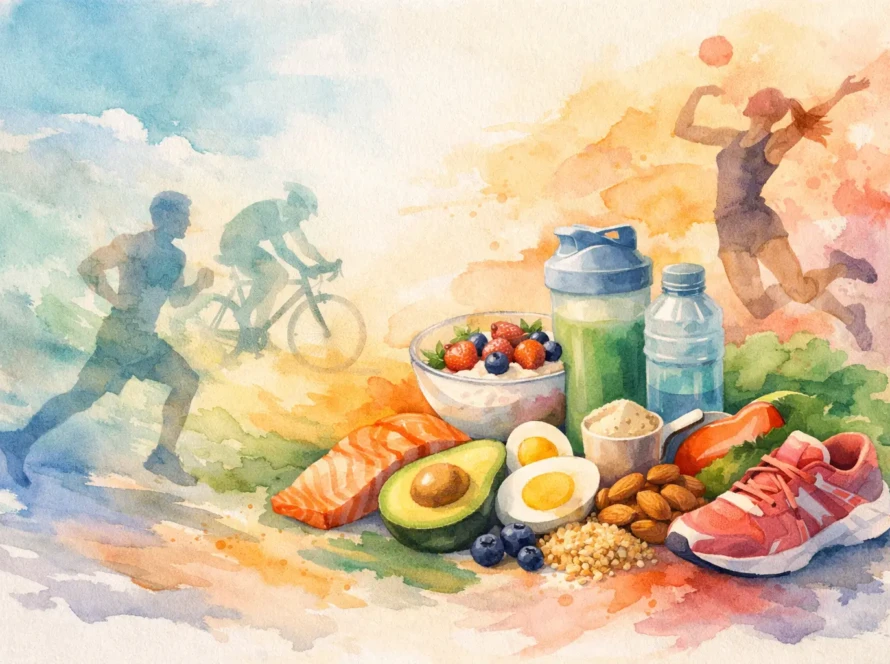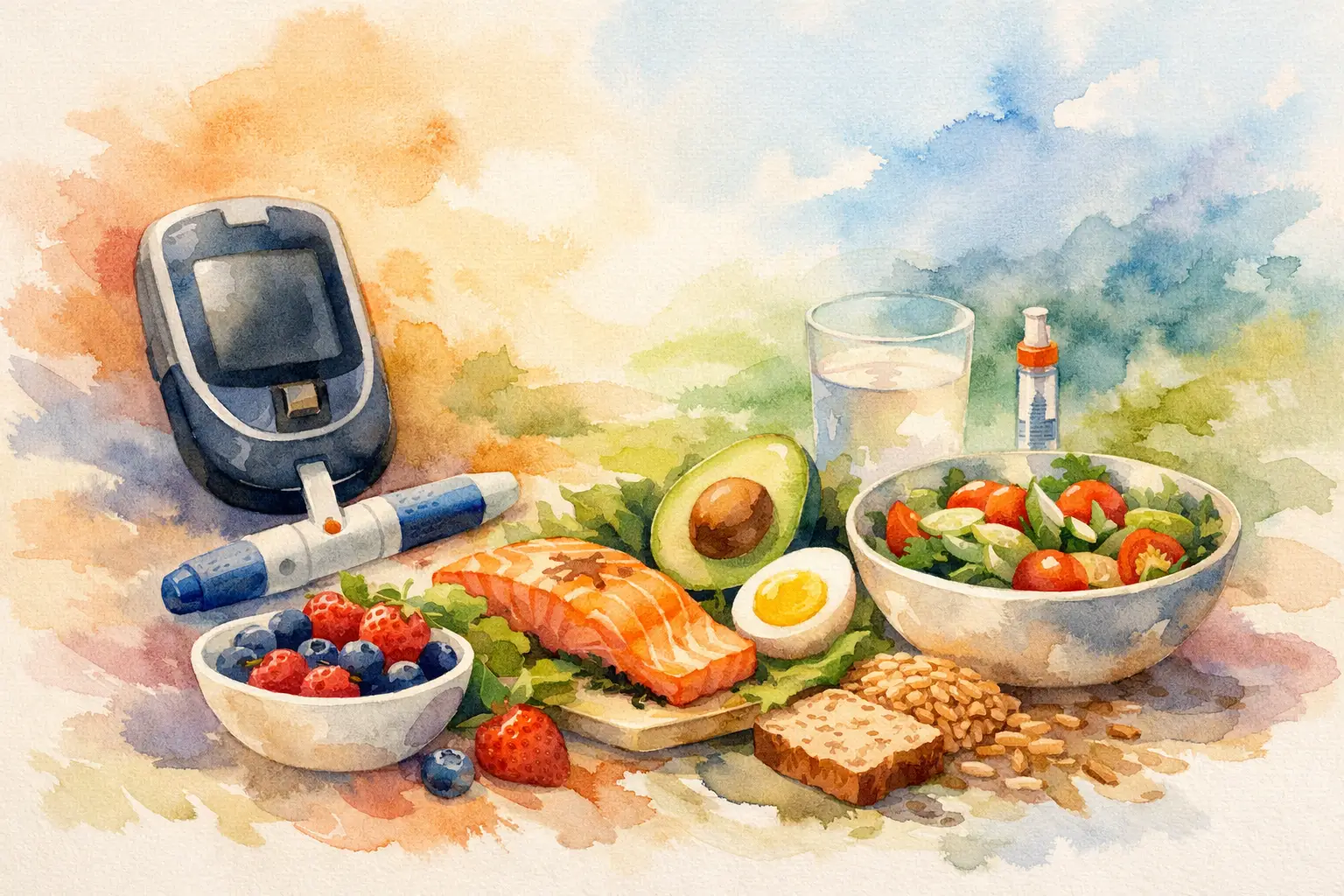
If your blood sugar readings feel unpredictable, the answer is rarely to eat less and hope for the best. A good diabetes diet plan is not about starving, skipping meals, or living on bland food. It is about building meals that keep blood sugar steadier, support weight management if needed, and still fit the way you actually live.
That matters because diabetes is managed in the kitchen as much as in the clinic. The foods you choose, the timing of your meals, and even how you balance carbohydrates with protein and fibre can affect your energy, cravings, and glucose response through the day. The right plan should feel practical enough for a working week, family meals, travel, and the occasional dinner out.
What a diabetes diet plan should actually do
Many people assume a diabetes diet means cutting out all carbohydrates. That usually backfires. Carbohydrates are not the enemy, but the type, amount, and meal balance matter. A useful plan helps you eat carbohydrates more intelligently rather than fear them.
Your meals should aim to do four things at once. They should slow down sharp rises in blood sugar, keep you fuller for longer, support a healthy body weight, and be sustainable enough to repeat. If a plan looks perfect on paper but leaves you hungry, bored, or socially restricted, it is unlikely to last.
This is where personalised advice makes a real difference. Two people with diabetes may respond differently to the same breakfast. One may do well with porridge and seeds, while another sees better control with eggs and wholegrain toast. Age, medication, activity levels, sleep, stress, and cultural food preferences all shape what works.
The core principles behind a balanced diabetes diet plan
The strongest diabetes diet plan usually starts with meal structure, not food rules. Instead of asking what you must remove, begin by asking how to balance each plate.
Half the plate should usually come from non-starchy vegetables such as spinach, beans, gourds, cauliflower, cucumber, tomatoes, peppers, okra, mushrooms, or cabbage. These add fibre and volume without pushing blood sugar up too quickly. One quarter of the plate can come from protein such as eggs, fish, chicken, paneer, tofu, dal, Greek yoghurt, or lean meat. The final quarter is where your main carbohydrate source fits in, such as roti, brown rice, oats, quinoa, sweet potato, or fruit.
This simple structure works because it naturally moderates carbohydrate intake without becoming extreme. Fibre slows digestion, protein helps with satiety, and balanced portions reduce the chance of major glucose spikes after meals.
It also helps to keep meal timing fairly regular. Long gaps between meals can lead to overeating later, while random snacking can make blood sugar harder to manage. Not everyone needs six meals a day, and not everyone should snack. It depends on hunger, routine, medication, and blood sugar patterns.
Carbohydrates still belong on the plate
The better question is not whether to eat carbohydrates, but which ones and how much. Refined choices such as white bread, sugary cereals, sweets, biscuits, and sweetened drinks are absorbed quickly and tend to raise blood sugar faster. Wholegrain and higher-fibre options are often easier to manage.
That said, even healthier carbohydrates need portion awareness. Two large rotis, a bowl of rice, fruit, and dessert in one sitting may still be too much for some people, even if each item seems reasonable on its own. Portion size changes the blood sugar response.
Protein and fibre do more than fill you up
A breakfast of tea and toast often leaves people hungry by mid-morning. Compare that with a breakfast that includes eggs, Greek yoghurt, nuts, or paneer alongside a controlled portion of carbohydrate. The second option usually leads to better fullness and a gentler blood sugar rise.
Fibre matters in the same way. Salads, vegetables, seeds, pulses, and whole grains can improve meal quality without making the plan feel restrictive. This is one reason why eating fruit whole is generally better than drinking fruit juice. Juice removes much of the fibre and can push sugar into the bloodstream quickly.
What to eat through the day
A realistic diabetes diet plan should suit normal routines, not ideal ones. For breakfast, options such as vegetable omelette with one slice of wholegrain toast, oats cooked with milk and seeds, Greek yoghurt with nuts and berries, or besan chilla with curd can work well. The aim is to avoid starting the day with a high-sugar meal that leaves you chasing energy later.
Lunch and dinner often work best when built around that balanced plate model. Think grilled fish with vegetables and a small portion of brown rice, dal with salad and one or two rotis depending on needs, chicken and stir-fried vegetables with quinoa, or paneer bhurji with sautéed greens and roti. Familiar foods are absolutely possible. They just need smarter proportions.
Snacks should earn their place. If you are genuinely hungry between meals, choose something that offers protein or fibre, such as a handful of nuts, roasted chana, a boiled egg, unsweetened yoghurt, or vegetable sticks with hummus. If you are not hungry and are only eating out of stress or habit, a snack may not be helping.
Foods that need more caution, not complete fear
People often ask for a list of foods to avoid forever. That approach is too rigid for most real lives. A better view is to recognise which foods need tighter control because they are easy to overeat or digest quickly.
Sugary drinks are one of the clearest examples. Fizzy drinks, packaged juices, sweetened coffees, and energy drinks can raise blood sugar rapidly without creating much fullness. Desserts, bakery items, sweets, and refined snack foods can do the same, especially when eaten often or in large portions.
Even foods seen as healthy can be tricky in excess. Smoothies, honey, dates, granola, and dried fruit may sound wholesome, but they can still add up quickly. This does not mean they are banned. It means context matters.
Why the same diet does not suit everyone with diabetes
This is where many generic plans fail. Someone trying to lose weight and improve insulin resistance may benefit from a different calorie level and carbohydrate distribution than an older adult who is underweight or on medications that raise the risk of low blood sugar. A pregnant woman with gestational diabetes needs yet another approach.
Activity levels matter too. A person who sits at a desk all day may not handle the same lunch as someone who trains in the evening. Sleep and stress also affect blood sugar more than most people realise. Poor sleep can increase cravings, worsen insulin sensitivity, and make even a good meal plan harder to follow.
That is why a personalised approach tends to deliver better results than copying a chart from the internet. At LivFit Today, this is exactly how we look at medical nutrition – not as a fixed menu, but as a strategy built around your routine, test results, preferences, and health goals.
Common mistakes that make blood sugar harder to control
One common mistake is skipping meals to compensate for a high reading or a heavy dinner the night before. This often leads to rebound hunger and poorer choices later. Another is relying on so-called diabetic snacks that are still highly processed and easy to overeat.
People also underestimate liquid calories, weekend eating, and portion creep. A meal may be healthy in theory, but if the rice portion keeps growing or the evening nibbles go unnoticed, results can stall. Healthy eating works best when it is honest as well as balanced.
Another mistake is expecting perfection. One high reading does not mean failure, just as one healthy lunch does not solve everything. Progress comes from what you repeat most days.
Making your diabetes diet plan sustainable
The best plan is one you can maintain on busy Mondays and social Saturdays alike. That usually means keeping your kitchen stocked with easy basics, planning a few repeat meals you enjoy, and not waiting until you are ravenous to decide what to eat.
It also helps to think in patterns instead of one-off foods. If your breakfast is usually high in refined carbohydrate and low in protein, fix that pattern. If dinners become oversized because lunch was too light, fix that pattern. Sustainable change comes from these practical adjustments.
A diabetes diet plan should leave you feeling more in control, not more anxious around food. You do not need a punishing regime. You need meals that support your blood sugar, your energy, and your life as it is now – with enough flexibility to keep going long after motivation has settled into routine.
Start with one meal, one portion change, or one habit you can repeat this week. Better blood sugar control is rarely built through extremes. It is built through steady choices that finally feel doable.