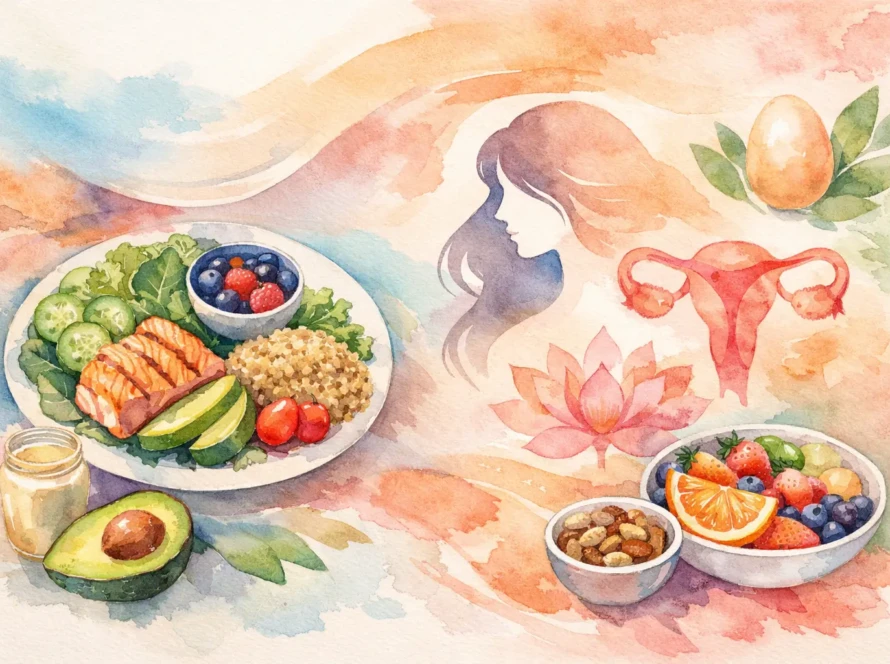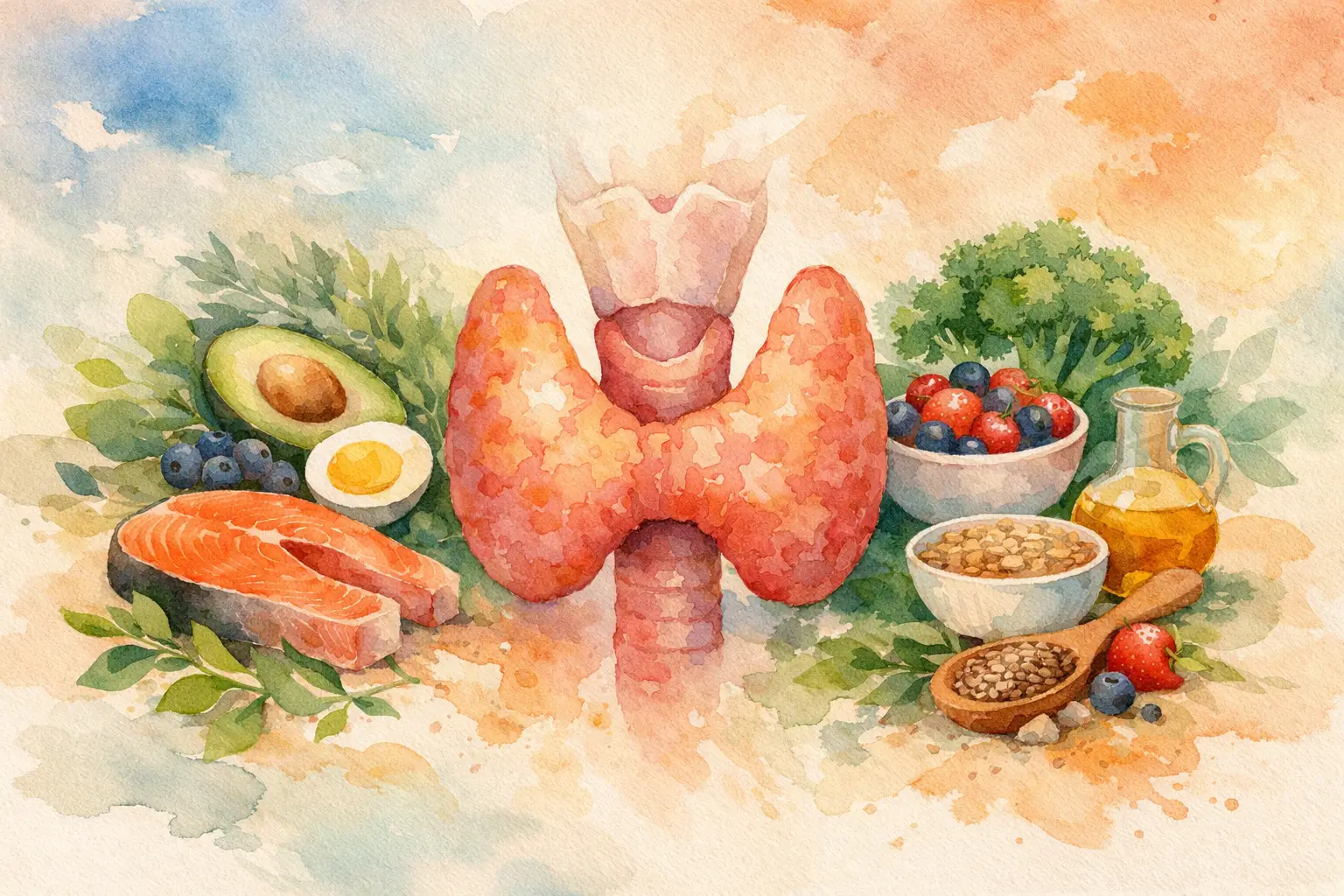
When your thyroid is off balance, your meals can start to feel like a daily guessing game. One week you are cutting carbs, the next you are avoiding gluten, and somewhere in between you are still feeling tired, bloated, or stuck with your weight. A good thyroid diet plan should not leave you more confused. It should help you eat in a way that supports your hormones, energy, digestion, and routine without turning every meal into a restriction.
For most people, the real challenge is not finding a list of “good” and “bad” foods. It is building a pattern of eating that works alongside medication, sleep, stress, work schedules, and symptoms that can change over time. That is why a thyroid-friendly approach needs to be practical first and precise second.
What a thyroid diet plan should actually do
Your thyroid helps regulate metabolism, energy production, body temperature, and several other basic functions. When it is underactive or overactive, your nutrition needs can shift, but not in the dramatic way social media often suggests. Food does not replace medical treatment. What it can do is support better energy, more stable appetite, improved digestion, and nutrient intake that may affect thyroid function.
If you have hypothyroidism, which is more common, you may notice fatigue, constipation, dry skin, low mood, and gradual weight gain. If you have hyperthyroidism, symptoms may include weight loss, palpitations, heat intolerance, and a bigger appetite. The right food pattern will look slightly different in each case, which is why a one-size-fits-all plan rarely works well.
The basics of a thyroid diet plan
A balanced thyroid diet plan starts with regular meals. Long gaps between eating can make energy dips worse, increase cravings, and make it harder to meet nutrient needs. Most adults do well with three balanced meals and, if needed, one sensible snack depending on appetite, activity, and medication timing.
Each meal should include a source of protein, steady carbohydrates, healthy fats, and fibre. This combination supports fuller energy and helps avoid the all-too-common cycle of feeling exhausted by late morning and reaching for tea, biscuits, or sugary snacks just to get through the day.
Protein matters more than many people realise. Eggs, fish, chicken, curd, paneer, tofu, dals, beans, and Greek yoghurt can help maintain muscle mass and improve satiety. This is especially useful if hypothyroidism has made weight management feel slower than usual.
Carbohydrates should not be treated as the enemy. The goal is better quality and better portions. Oats, millets, brown rice, wholemeal roti, quinoa, fruit, and pulses usually work better than a routine built around refined cereals, bakery snacks, and sugary drinks. Fibre supports gut health and bowel regularity, which is often a concern in people with low thyroid function.
Healthy fats also deserve a place on the plate. Nuts, seeds, olive oil, avocado, and fatty fish help with satisfaction and overall hormone health. Going too low in fat often makes meals less satisfying and harder to sustain.
Key nutrients for thyroid health
There are a few nutrients that deserve special attention in any thyroid diet plan, but this is where balance matters. More is not always better.
Iodine is essential for thyroid hormone production, yet too little and too much can both be problematic. In the UK, common sources include dairy, eggs, seafood, and iodised salt if used. Unless advised by your doctor, it is usually better to get iodine from food rather than supplements.
Selenium supports thyroid hormone metabolism. Brazil nuts are famous for it, but you do not need a handful every day. In fact, too much selenium is not a good idea. Fish, eggs, sunflower seeds, and wholegrains can also help you meet your needs more safely.
Zinc and iron also matter. Low levels may affect thyroid function and energy. Meat, shellfish, legumes, pumpkin seeds, spinach, and fortified cereals can contribute, although iron from plant foods is absorbed less efficiently. Pairing iron-rich foods with vitamin C sources such as citrus, peppers, or tomatoes can help.
Vitamin D and B12 are worth checking, especially if you feel persistently tired. Many people with thyroid concerns also have low levels of one or both. Food can help, but blood tests and medical advice are often needed here.
Foods people worry about – and what actually matters
Cruciferous vegetables get a lot of blame. Broccoli, cabbage, cauliflower, kale, and Brussels sprouts are often labelled as foods to avoid. For most people, that is unnecessary. These vegetables are highly nutritious and can stay in your diet, especially when cooked and eaten in normal amounts. The issue is usually exaggerated.
Soy is another area where people get mixed messages. Soy foods such as tofu and soya milk can fit into a healthy plan. The main thing to remember is timing. If you take thyroid medication, avoid having soy too close to it because it may affect absorption in some people.
Gluten is more complicated. Some people with autoimmune thyroid disease also have coeliac disease or gluten sensitivity. If that applies to you, a gluten-free diet may help. But removing gluten without a reason does not automatically improve thyroid function and can make eating feel harder than it needs to.
Highly processed foods, on the other hand, are worth limiting. They tend to be high in salt, sugar, and poor-quality fats while offering very little in terms of useful nutrition. They also make appetite regulation more difficult, which is not helpful when energy and metabolism already feel unpredictable.
Meal timing and thyroid medication
This is the part many people overlook. If you take levothyroxine, consistency matters. It is generally best taken on an empty stomach with water, then leaving enough time before breakfast as advised by your doctor or pharmacist. Calcium, iron supplements, and very high-fibre meals can interfere with absorption if taken too close together.
That means your perfect breakfast on paper may not be the best breakfast at that particular time. A smoothie packed with seeds, a fortified cereal with milk, or an iron supplement taken alongside your tablet may work against you. Simple changes in timing can make a bigger difference than chasing trendy foods.
A realistic day on a thyroid diet plan
A useful plan should fit around work calls, school runs, commuting, and plain old tiredness. Breakfast could be vegetable omelette with wholemeal toast, or porridge with seeds and yoghurt if your medication timing allows. Lunch might be dal with brown rice and salad, or grilled chicken with roti and vegetables. Dinner could be fish curry with mixed vegetables, or paneer stir-fry with quinoa.
Snacks, if needed, should help rather than derail the day. Fruit with nuts, yoghurt, roasted chana, or hummus with vegetable sticks are practical options. The point is not to eat perfectly. It is to avoid the extremes of under-eating all day and then overcompensating at night.
Hydration also matters. Fatigue is not always from the thyroid alone. Too little water, irregular meals, and too much caffeine can all make symptoms feel worse.
Weight loss with thyroid issues – be careful with extremes
Many people looking for a thyroid diet plan are really asking one question: why is it so hard to lose weight? The answer is frustrating but honest. Thyroid imbalance can affect metabolism, appetite, fluid retention, and energy for exercise, but crash dieting usually makes matters worse.
Very low-calorie plans may lead to quick scale changes, but they are difficult to maintain and can leave you more tired, more hungry, and more likely to regain weight. A better approach is a moderate calorie deficit, adequate protein, regular movement, and patience with the process. Results may be slower than you want, but they are more likely to last.
This is where personalised guidance can make a real difference. At LivFit Today, the focus is on structured meal planning that fits your medical history, lifestyle, and food preferences rather than handing over a generic chart and hoping for the best.
When to get expert help
If your symptoms continue despite eating well, or your weight, digestion, and energy are not improving, it is worth looking beyond food alone. You may need medication review, blood tests, or a closer look at deficiencies, stress, sleep, and exercise patterns. Nutrition works best when it is part of the bigger picture.
A thyroid diet plan should make your life feel more manageable, not more restrictive. Eat regularly, build balanced meals, respect medication timing, and be cautious with dramatic claims. The best plan is not the strictest one. It is the one you can follow consistently while your health improves, one ordinary meal at a time.