A bowl of poha or fruit may feel light, but it often leaves you hungry by mid-morning. The best high protein vegetarian meals do more than add paneer to a plate. They combine a dependable protein source with fibre-rich carbohydrates, vegetables and satisfying fats, helping you stay full, support muscle health and make balanced eating easier to maintain.
For weight management, fitness goals or simply steadier energy through a busy working day, protein deserves a regular place in your meals. The right amount depends on your body weight, activity level, age, medical history and goals. Rather than chasing an extreme target, aim to include a clear protein source at each meal.
What makes a vegetarian meal high in protein?
Vegetarian protein can come from dals, beans, chickpeas, soy, tofu, paneer, yoghurt, milk, sprouts, quinoa, nuts and seeds. Some foods are more protein-dense than others. A small serving of nuts is nutritious, for example, but it will not provide the same protein as a bowl of chana, tofu bhurji or Greek yoghurt.
A useful everyday approach is to build meals around one main protein ingredient, then add vegetables and a measured portion of roti, rice, millet or another carbohydrate. This is more filling and more realistic than cutting carbohydrates completely. If you are trying to lose weight, portions still matter. If you are training regularly, you may need more total food and protein across the day.
12 best high protein vegetarian meals for everyday life
1. Moong dal chilla with paneer filling
Moong dal chilla is a practical breakfast or light dinner because soaked dal forms the base rather than refined flour. Fill it with crumbled paneer, coriander, onion and capsicum, then serve with mint chutney and a bowl of curd. It offers a satisfying balance of protein and fibre without feeling heavy.
2. Besan cheela with yoghurt and vegetables
Besan, made from gram flour, is an easy cupboard staple for rushed mornings. Add grated courgette, spinach, tomato and onion to the batter, and have it with thick yoghurt rather than relying only on chutney. The yoghurt increases protein and makes the meal more substantial, especially for people who tend to snack soon after breakfast.
3. Vegetable tofu bhurji with roti
Tofu is a useful option for those who do not eat dairy or want more variety than paneer. Crumble firm tofu into a pan with onion, tomato, peas, turmeric and spices, then eat it with one or two rotis and salad. Choose calcium-set tofu where possible, as it can also support calcium intake.
4. Greek yoghurt bowl with fruit, seeds and oats
A yoghurt bowl can be a high-protein breakfast when built thoughtfully. Use plain Greek yoghurt or hung curd, add fruit for sweetness, a small portion of oats and seeds such as chia or pumpkin seeds. Avoid turning it into a dessert-sized bowl with lots of honey, granola and dried fruit, particularly if weight loss or blood sugar control is your priority.
5. Rajma quinoa bowl
Rajma provides protein and fibre, while quinoa contributes extra protein compared with many refined grains. Combine cooked rajma, quinoa, cucumber, tomato, lettuce, lemon and a yoghurt-based dressing for a filling lunch. Brown rice works well too if quinoa is not part of your regular shopping routine. Consistency matters more than using a fashionable ingredient.
6. Chole with vegetable salad and phulka
Chole can absolutely fit into a balanced meal plan. The difference lies in preparation and portion size. Make it with less oil, pair it with a large crunchy salad and have it with phulkas instead of a large serving of bhature. Chickpeas digest slowly and can help keep hunger under control, but increase portions gradually if beans usually cause bloating.
7. Palak paneer with roti
Palak paneer is one of the most accessible high-protein vegetarian dinners, especially for families. Keep the gravy lighter by using a modest amount of cream or none at all, and include a generous quantity of spinach. Pair it with rotis and a raw vegetable side. For people watching saturated fat intake, tofu can replace some or all of the paneer.
8. Mixed dal khichdi with curd
Khichdi is often seen as comfort food, but it can be a complete meal when the dal-to-rice ratio is increased and vegetables are added. Use moong, masoor or a mixed dal blend with rice or millet, then serve with curd and salad. This is particularly helpful on days when you need something gentle, warm and easy to digest.
9. Soya chunk curry with rice or millet
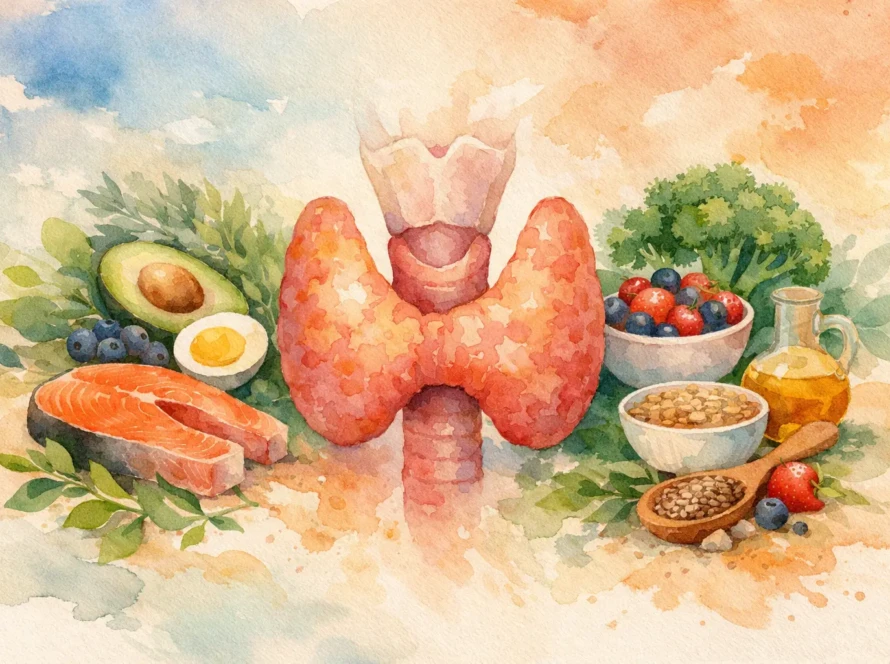
Soya chunks are among the most protein-rich vegetarian staples and are budget-friendly too. Soak, rinse and cook them in a tomato-onion gravy with vegetables such as beans, carrots or capsicum. Their texture is not for everyone, so start by mixing a smaller amount into a familiar curry. If you have thyroid concerns, do not self-restrict soy without personalised professional advice.
10. Lentil and vegetable soup with a paneer toastie
Soup alone is often too light to be a meal. A thick lentil and vegetable soup paired with a wholegrain paneer toastie is far more satisfying for lunch or dinner. It is also easy to carry to work. Keep the toastie portion sensible and add plenty of vegetables inside, rather than loading it with cheese and butter.
11. Sprouted moong chaat with curd
Sprouted moong chaat works well as a filling evening snack or a light lunch. Mix steamed sprouts with cucumber, tomato, onion, lemon, coriander and roasted cumin, then add curd or a small amount of paneer. Steaming sprouts may be more comfortable for sensitive digestion, and is a safer choice during pregnancy than eating raw sprouts.
12. Edamame and vegetable stir-fry with noodles
Edamame is a convenient protein option for a quick modern-style dinner. Stir-fry it with mushrooms, broccoli, peppers and ginger-garlic, then add wholewheat noodles or rice. This meal is ideal when takeaway feels tempting after work. Watch high-sodium sauces, especially if you have high blood pressure or water retention concerns.
Make high-protein vegetarian meals work for your goal
A high-protein meal is not automatically a weight-loss meal. Paneer, cheese, nuts, creamy sauces and restaurant gravies can make a dish energy-dense very quickly. At the same time, eating too little in the name of healthy food can lead to cravings, low energy and loss of muscle mass.
For many adults, spreading protein through breakfast, lunch, dinner and one snack is more comfortable than trying to eat most of it at night. A breakfast of tea and toast followed by a large dinner often leaves protein intake uneven. Small changes can make a meaningful difference: add curd to breakfast, choose dal plus a vegetable protein at lunch, or replace biscuits with roasted chana and yoghurt.
If you have kidney disease, gout, digestive conditions, diabetes, PCOS, thyroid concerns, are pregnant, or are following a sports training plan, your requirements need more care than a generic meal list can provide. The best plan is one that suits your health markers, routine, culture and food preferences.
At LivFit Today, we focus on meal plans that fit real working days, family meals and long-term health goals, not starvation diets or short-lived rules. Start with one meal you genuinely enjoy, improve its protein balance, and repeat it until healthy eating feels like your normal routine.