A cholesterol blood test can feel alarming, especially when you have been trying to eat well most of the time. But one result is not a verdict on your health or a reason to start cutting out every food you enjoy. This guide for managing cholesterol focuses on the changes that genuinely matter: realistic meals, consistent routines, appropriate medical care and a plan you can keep following after the first few motivated weeks.
Understand what your cholesterol result means
Cholesterol is a waxy substance your body needs to make cells, hormones and vitamin D. The concern is not that cholesterol exists, but that certain types can build up in artery walls over time and raise the risk of heart disease and stroke.
Most blood tests report total cholesterol, LDL cholesterol, HDL cholesterol, non-HDL cholesterol and triglycerides. LDL is often called “bad” cholesterol because higher levels can contribute to plaque build-up in arteries. HDL is commonly known as “good” cholesterol, although trying to raise it through supplements is not the goal. Non-HDL cholesterol is also useful because it captures several particles that can affect heart health. Triglycerides are another type of blood fat and may rise with excess alcohol, highly refined carbohydrates, uncontrolled diabetes or weight gain around the middle.
Your numbers need context. Age, blood pressure, diabetes, smoking, family history, thyroid health, weight, activity level and ethnicity can all influence cardiovascular risk. People with a strong family history of early heart disease, very high cholesterol or familial hypercholesterolaemia may need more intensive treatment than food changes alone. Ask your GP or clinician to explain your overall risk rather than focusing on a single figure.
A guide for managing cholesterol without extreme dieting
The most effective eating pattern is rarely a short-term “low-fat diet”. It is a balanced way of eating that improves the quality of fats, increases fibre and suits your normal working day, family meals and social life. You do not need to survive on salads, skip meals or give up familiar Indian, British or mixed-cuisine foods.
Improve the fats you eat most often
Saturated fat can raise LDL cholesterol in many people. It is found in ghee, butter, cream, cheese, coconut oil, fatty cuts of meat, sausages, pastries, cakes, biscuits and many fried or packaged foods. That does not mean these foods are forbidden. The key is frequency, portion size and what replaces them.
Use oils rich in unsaturated fats, such as olive, rapeseed, groundnut or mustard oil, in sensible quantities. Choose grilled, baked, steamed or lightly sautéed dishes more often than deep-fried options. At breakfast, porridge with fruit and nuts is generally a more heart-supportive choice than buttered toast with processed meat. At dinner, a bowl of dal with vegetables, salad and wholegrain roti can be far more useful than simply eating less food overall.
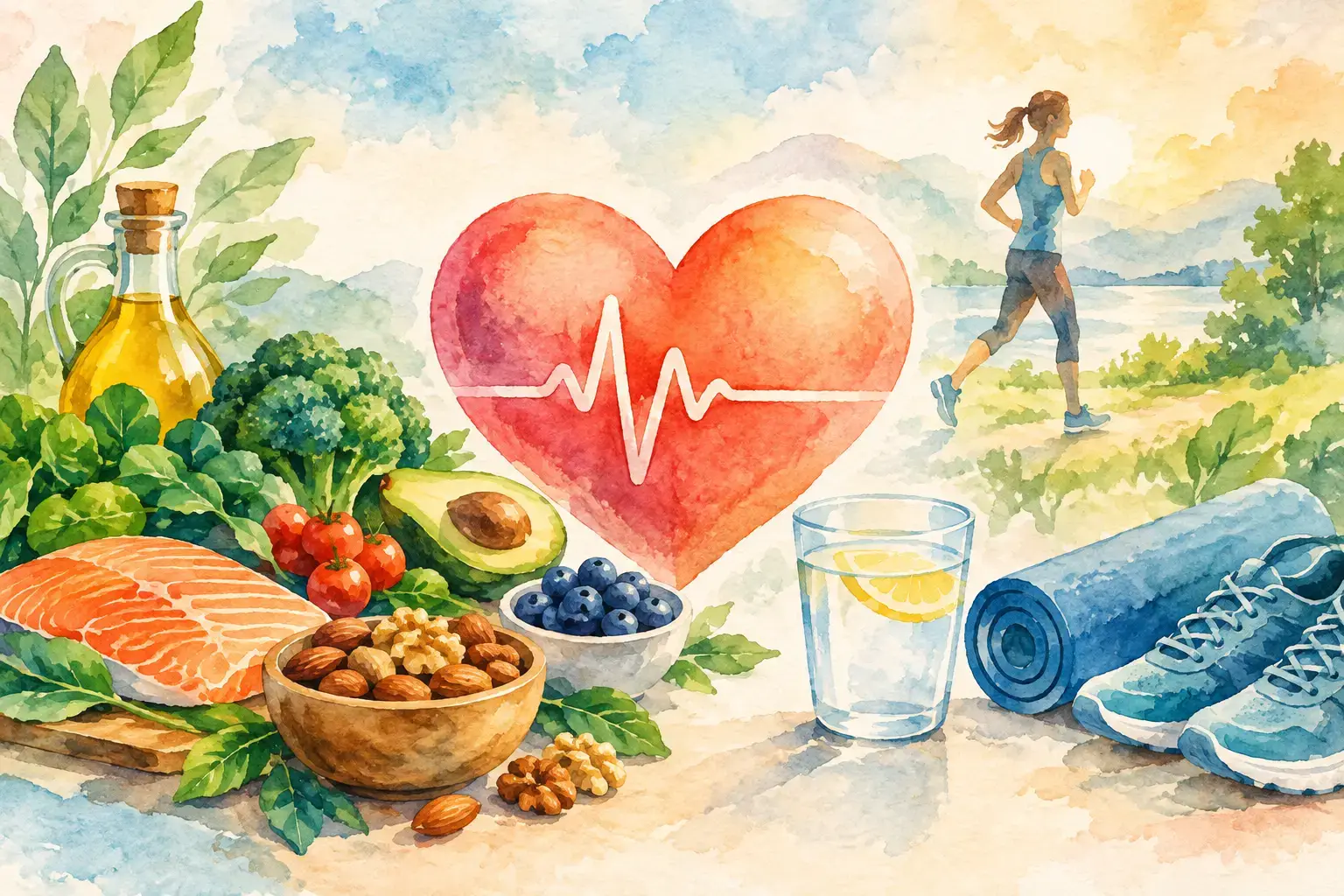
Be practical with dairy rather than cutting it out automatically. Lower-fat yoghurt, milk and smaller portions of cheese can work well for many people. If you eat meat, prioritise fish, skinless poultry, beans and lentils more often, while keeping red and processed meat as occasional choices. Oily fish, such as salmon, sardines or mackerel, can support heart health, but it is only one part of the wider pattern.
Make fibre a daily habit
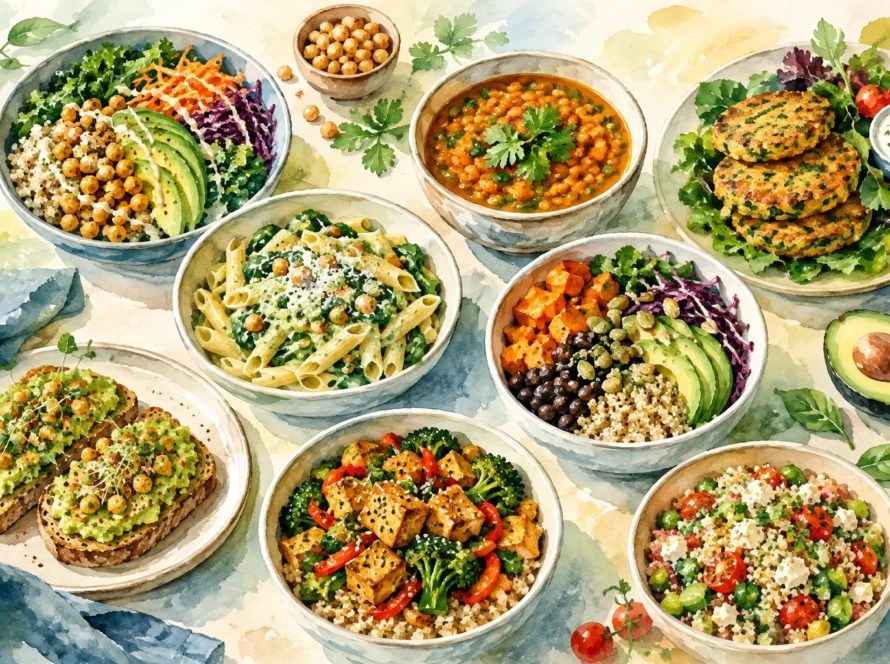
Soluble fibre helps reduce cholesterol absorption in the gut. Oats, barley, beans, chickpeas, lentils, apples, citrus fruit, aubergine, okra and psyllium husk are useful sources. The benefit comes from repetition, not from adding one “healthy” meal on a Sunday.
Start with a change that feels easy. You might have oats or a high-fibre cereal for breakfast, add chana or rajma to lunch twice a week, or include a generous serving of vegetables at your evening meal. Increase fibre gradually and drink enough water, particularly if your current diet is low in plant foods. Sudden large increases can cause bloating or discomfort.
Whole grains matter too. Swap white bread, refined cereal and large portions of white rice for options such as wholemeal bread, brown rice, oats, barley, millets or wholewheat chapati when practical. This is not about labelling white rice or potatoes as bad. It is about balancing portions and pairing carbohydrates with protein, vegetables and fibre so meals are more satisfying.
Watch the foods that quietly add up
Cholesterol management can be undermined by everyday extras rather than main meals. A few biscuits with tea, frequent takeaways, creamy coffee drinks, office snacks and weekend alcohol can add significant saturated fat, sugar and calories without feeling like much food.
Instead of trying to be perfect, identify your most regular pressure point. If late-night hunger leads to crisps and sweets, plan a filling evening meal and keep yoghurt, fruit, roasted chana or a small handful of nuts available. If lunch is usually bought on the go, choose a meal with vegetables and a clear protein source rather than relying on pastries, fried snacks or large portions of creamy sauces.
Nuts are a good example of the value of perspective. Almonds, walnuts, pistachios and peanuts contain beneficial unsaturated fats and fibre, but they are energy dense. A small handful is helpful; eating several handfuls mindlessly while working may not support weight or triglyceride goals.
Weight, movement and stress all affect blood fats
If you are above your comfortable weight, even a modest and sustainable reduction can improve LDL cholesterol, triglycerides, blood pressure and blood sugar. But weight loss is not the only measure of success. A person can improve their food quality, fitness and cholesterol profile before the scales move significantly.
Aim to move in ways you can repeat. Brisk walking, cycling, swimming, gym training, dance classes and active commuting all count. A realistic starting point might be a 20 to 30-minute walk on most days, then building up gradually. Strength training twice a week is also valuable because it supports muscle, metabolism, mobility and long-term weight management.
Long sitting hours are common for busy professionals. Break them up where you can: take calls standing, walk for ten minutes after lunch or use part of your commute to add steps. These small actions do not replace structured exercise, but they make an inactive day less inactive.
Poor sleep and ongoing stress can make healthy choices harder and may worsen appetite, blood sugar and weight regulation. There is no single stress-reducing food. Regular meals, a consistent bedtime, less alcohol and caffeine late in the day, and a short walk or screen-free routine in the evening are often more effective than chasing quick fixes.
When lifestyle changes are not enough on their own
Food and activity can make a meaningful difference, but they cannot always bring cholesterol down to a safe range by themselves. Genetics can have a powerful effect. If your clinician recommends a statin or another cholesterol-lowering medicine, that is not a failure of willpower or proof that you have eaten badly.
Medication and nutrition often work best together. Continue building heart-supportive habits while taking medicines exactly as prescribed, and discuss side effects rather than stopping treatment on your own. People with diabetes, kidney disease, existing heart disease, high blood pressure, thyroid conditions or a family history of early heart problems should seek individual clinical guidance.
Repeat testing matters because cholesterol changes over time. Your clinician can advise when to retest based on your result, treatment and risk profile. Keep a simple record of your meals, activity, sleep and any medicines before appointments. It can reveal patterns that a blood test alone cannot show.
Make the plan fit your real life
The best plan is one you can follow during busy work weeks, family celebrations and holidays. Start with two or three changes, such as switching your breakfast, cooking with less ghee and walking after dinner five days a week. Once these feel normal, add the next habit.
Personalised nutrition is especially helpful when cholesterol sits alongside diabetes, thyroid concerns, pregnancy, menopause, digestive issues or emotional eating. At LivFit Today, the focus is not on handing you a restrictive chart. It is on creating a sustainable routine around your health history, food preferences and goals.
Your next meal does not have to be perfect. Let it be a practical step towards a pattern of eating and living that protects your heart for the long term.