Mornings can set the tone for your blood sugar for the rest of the day. That is why choosing the best breakfast ideas for diabetics is not about eating less – it is about eating smarter. A good breakfast should keep you satisfied, support stable energy, and help you avoid the sharp hunger and cravings that often follow a high-sugar or low-protein start.
For most people managing diabetes, the biggest breakfast mistake is not always obvious. It is often the so-called healthy meal that is too light on protein, too high in refined carbohydrates, or missing fibre and healthy fats. A bowl of sweetened cereal, white toast with jam, or even a fruit-heavy smoothie can look harmless but may lead to a rapid spike and then a slump. A better breakfast is balanced, practical, and realistic enough to repeat on busy weekdays.
What makes the best breakfast ideas for diabetics work?
The most effective breakfasts tend to follow a simple pattern. They combine a quality protein source, a controlled portion of carbohydrates, and enough fibre or fat to slow digestion. This matters because carbohydrates have the biggest direct impact on blood glucose, but the answer is not to fear them completely. It is to choose them well and pair them properly.
For example, oats can work well, but oats on their own may not keep blood sugar as steady as oats topped with seeds and Greek yoghurt. Toast can fit into a diabetes-friendly breakfast, but wholegrain toast with eggs and avocado is very different from white toast with sugary spreads. The difference is in the balance.
Portion size also matters. Even healthy foods can push blood sugar up if the carbohydrate load is too high for your needs, medication, activity level, or insulin response. That is why one breakfast does not suit everyone. A working professional rushing out the door, a pregnant woman with gestational diabetes, and someone trying to lose weight while managing type 2 diabetes may all need slightly different combinations.
12 best breakfast ideas for diabetics
1. Vegetable omelette with one slice of wholegrain toast
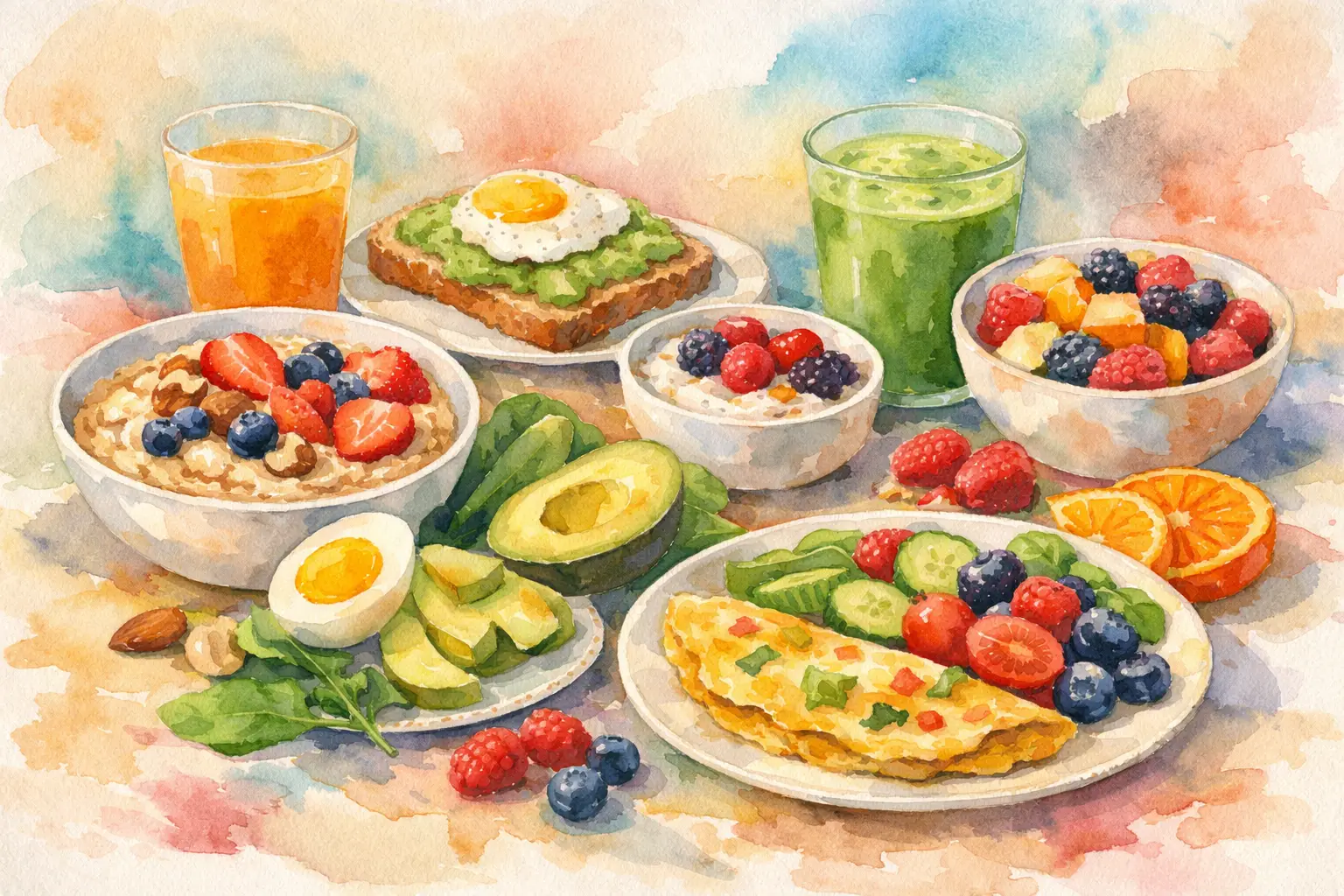
This is one of the most reliable choices because it is high in protein and easy to adapt. Eggs help with satiety, while vegetables such as spinach, mushrooms, tomatoes, and peppers add volume and fibre without pushing carbohydrates too high. One slice of wholegrain toast gives you a controlled carbohydrate portion rather than an overload.
If you feel hungry soon after breakfast, add a spoon of cottage cheese or a few slices of avocado. If your blood sugar tends to rise quickly in the morning, you may do better with the omelette alone or with a smaller toast portion.
2. Greek yoghurt with chia seeds and berries
Plain Greek yoghurt is rich in protein, which helps slow digestion and keep you full. Chia seeds add fibre and healthy fats, while berries give natural sweetness with a lower glycaemic impact than many other fruits. This makes it a practical no-cook option for busy mornings.
The key here is choosing unsweetened yoghurt. Flavoured pots often contain more sugar than people realise. If needed, add cinnamon for extra flavour instead of honey or sugar.
3. Besan chilla with paneer or curd
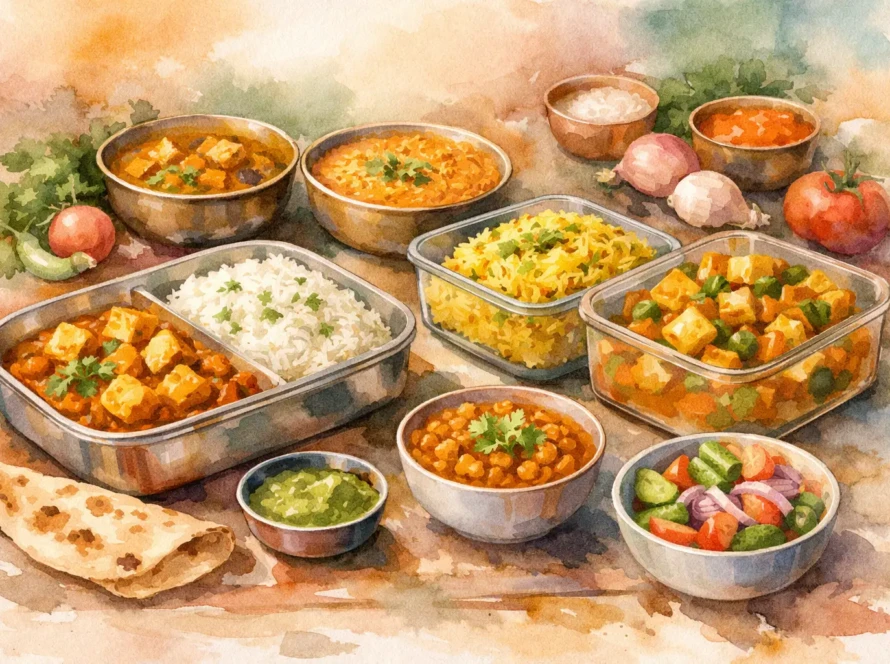
For many Indian households, this is a more realistic and satisfying option than trying to force a Western-style breakfast every day. Besan, made from gram flour, offers more protein and fibre than refined flour choices. Pairing it with paneer filling or a bowl of curd improves balance even further.
This is a good example of how diabetes-friendly eating does not need to feel restrictive. Familiar foods can work very well when prepared with the right ingredients and portions.
4. Overnight oats with nuts and seeds
Oats can absolutely be part of the best breakfast ideas for diabetics, provided they are built thoughtfully. Prepare them with unsweetened milk or yoghurt, then add walnuts, flaxseeds, pumpkin seeds, and a small portion of fruit. This gives a better blood sugar response than instant flavoured oats.
Do keep an eye on quantity. Oats are nutritious, but they are still a carbohydrate source. If you are less active or your morning readings tend to run high, a smaller serving may suit you better.
5. Moong dal cheela with mint curd
Moong dal is another excellent base for a balanced breakfast. It provides protein, fibre, and a more sustained release of energy than refined breakfast foods. Served with mint curd, it becomes filling without feeling heavy.
This works especially well for people who want a savoury breakfast that keeps them going through a long commute or a packed work schedule.
6. Scrambled eggs with sautéed vegetables
If you prefer a very low-carbohydrate breakfast, this is simple and effective. Scrambled eggs with spinach, onions, mushrooms, or courgette can help keep blood sugar steadier, especially for those who notice a stronger glucose response in the morning.
That said, not everyone needs to go low-carb at breakfast. Some people feel better with a small amount of wholegrain toast or a side of beans. It depends on your appetite, medication, and blood glucose patterns.
7. Cottage cheese bowl with cucumber, tomato and seeds
This is quick, high in protein, and surprisingly satisfying. Cottage cheese works well for those who do not want eggs every day and need a breakfast that feels light but still filling. Adding chopped vegetables and seeds improves fibre and texture.
It may sound too simple, but simple is often what makes consistency possible. If a breakfast takes too long, most people stop making it.
8. Peanut butter on wholegrain toast with boiled eggs
This can work well for people who need a portable breakfast. The toast offers carbohydrates, the peanut butter adds fat, and the eggs bring in protein. Together, they create a steadier release of energy than toast alone.
Choose peanut butter without added sugar where possible, and keep the portion sensible. More is not always better, especially if weight management is also a goal.
9. Vegetable poha with peanuts and extra protein
Poha is often seen as too carb-heavy for diabetes, but that depends on how it is prepared and portioned. A vegetable-rich poha made with peas, onions, and peanuts is a better option than a plain, oversized serving. Pairing it with curd or a boiled egg can make it far more balanced.
This is a good reminder that you do not have to remove all traditional foods. You often just need to build them better.
10. Smoothie with yoghurt, nuts and low-sugar fruit
Smoothies can be tricky. Many shop-bought versions are loaded with fruit juice, syrups, or too much fruit, which can send blood sugar up quickly. But a homemade smoothie using plain yoghurt, a small portion of berries, spinach, and a spoon of nut butter can work well.
The trade-off is that liquid meals may feel less filling than chewing a meal. If you are hungry an hour later, a smoothie may not be your best everyday option.
11. Avocado and egg on seeded toast
This is popular for good reason. It is balanced, satisfying, and easy to prepare. The protein and fat help slow the impact of the bread, and the fibre in seeded bread supports better satiety.
Still, bread choice matters. A highly processed loaf marketed as brown is not the same as a genuinely wholegrain or seeded option.
12. Leftover dinner done right
Not everyone enjoys typical breakfast foods, and that is perfectly fine. A small portion of leftover grilled chicken, dal, vegetable sabzi, or paneer with salad can be an excellent breakfast if it suits your routine. For some people with diabetes, a savoury, protein-led meal first thing feels better than any cereal or toast-based option.
There is no rule that breakfast must look a certain way to be healthy.
Common breakfast mistakes that raise blood sugar
A few patterns come up again and again. Skipping breakfast altogether can backfire for some people, especially if it leads to overeating later. Drinking fruit juice, even without added sugar, is another common problem because it delivers carbohydrates quickly without much fibre. Relying on biscuits, rusks, sugary granola, or packaged “healthy” breakfast bars is also less helpful than it seems.
Even foods that sound wholesome need context. A banana on its own may be too carb-heavy for one person and perfectly fine for another when paired with nuts or yoghurt. The best approach is to watch how your own body responds rather than assuming every healthy food works the same way for everyone.
How to choose the right breakfast for your routine
The best breakfast is the one that supports your blood sugar and still fits your real life. If you leave home early, make-ahead choices like overnight oats, boiled eggs, or yoghurt bowls may be more sustainable. If you need something hot and filling, cheelas, omelettes, or vegetable-based savoury meals may work better.
It also helps to think beyond blood sugar alone. If you are trying to lose weight, your breakfast should keep you full enough to avoid mid-morning snacking. If you are pregnant, exercising regularly, or managing medication, your ideal breakfast may need more structure. This is where personalised advice makes a real difference, because what looks healthy on paper does not always translate into stable results in daily life.
At LivFit Today, we often remind clients that progress comes from repeatable habits, not perfection. A balanced breakfast you can follow five days a week will always beat an ideal meal you manage once.
If your mornings feel rushed or your sugar readings are unpredictable, start by fixing breakfast before changing everything else. One well-balanced meal can make the rest of the day easier, and that is often where lasting change begins.