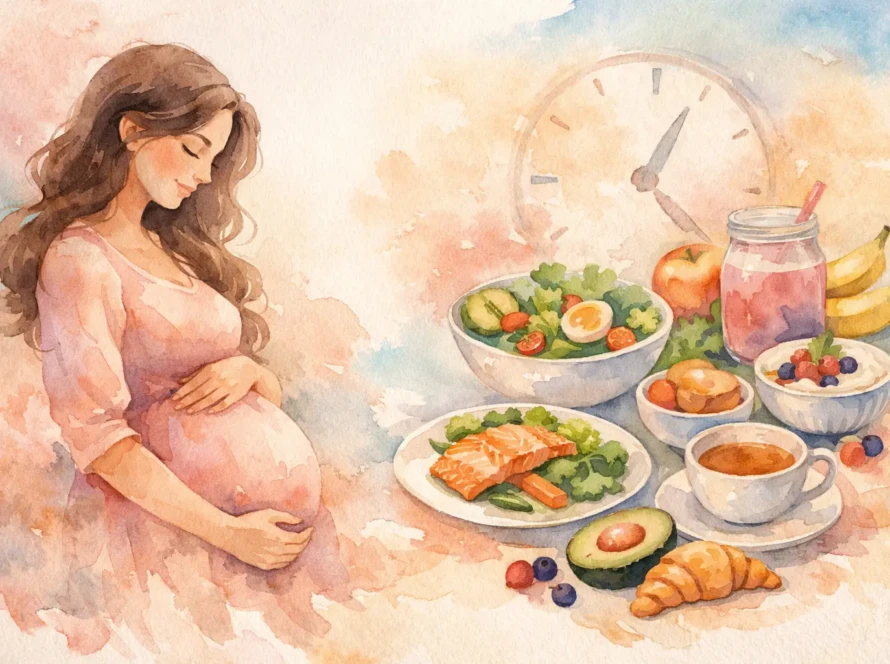
Morning sickness at 8 am, a work meeting at 10, cravings by noon, and complete food confusion by evening – this is often what pregnancy feels like in real life. If you have been wondering how does nutrition affect pregnancy, the short answer is this: it shapes your baby’s development, your energy, your comfort, and even how smoothly your pregnancy may progress.
Pregnancy nutrition is not about eating perfectly or following a rigid chart. It is about giving your body the steady supply of nutrients it needs to build the placenta, support your baby’s brain and bones, maintain healthy blood volume, and protect your own strength at the same time. Small daily food choices can make a meaningful difference, especially when they are practical enough to follow consistently.
How does nutrition affect pregnancy for mother and baby?
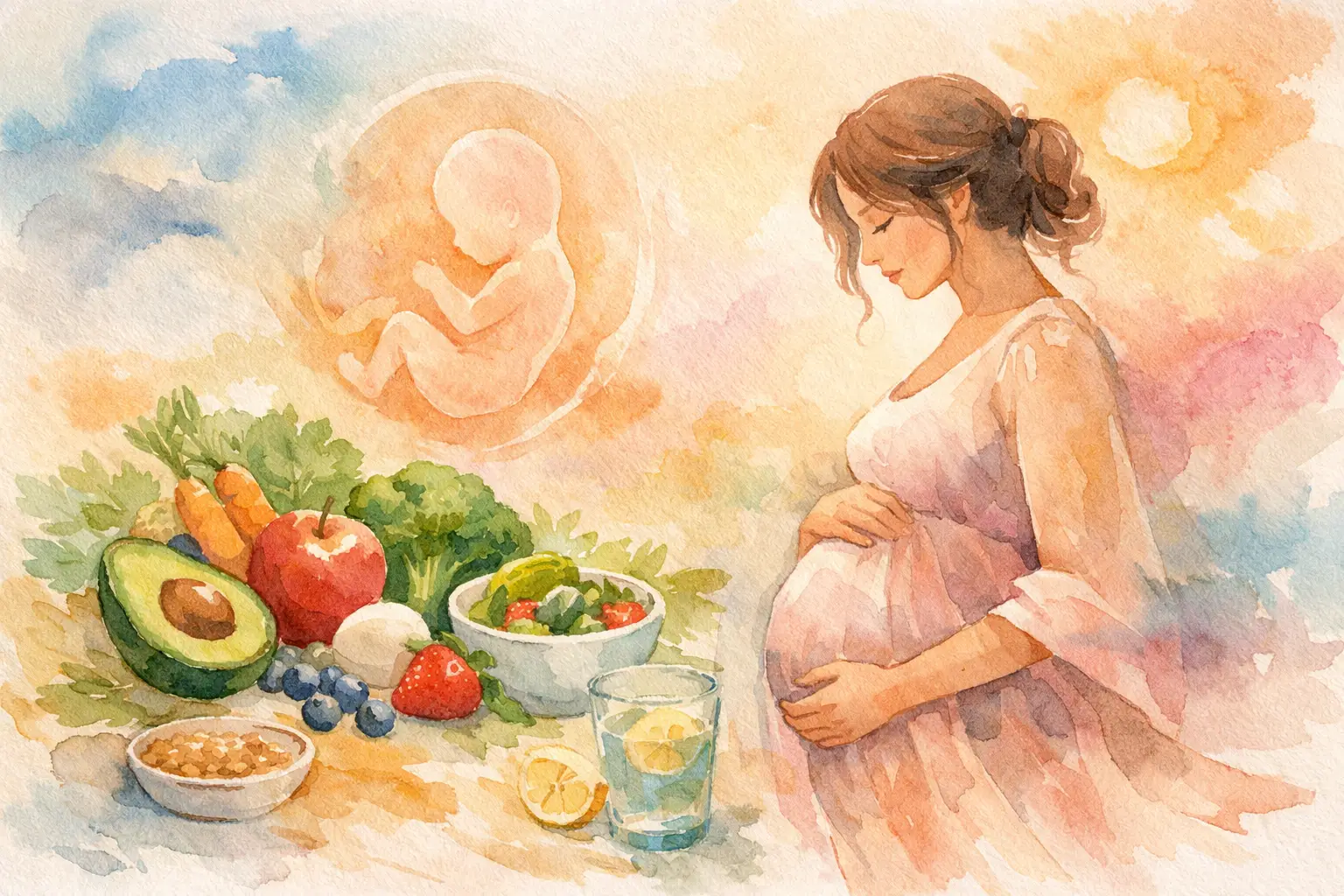
During pregnancy, your body is doing far more than simply carrying extra weight. It is creating new tissue, increasing blood production, supporting hormonal shifts, and supplying nutrients to a growing baby every single day. That means nutrition directly affects foetal growth, maternal immunity, digestion, energy levels, and the risk of certain complications.
A balanced diet can support healthy birth weight, brain development, and bone formation. It can also reduce the chance of deficiencies that leave mothers feeling exhausted, dizzy, constipated, or more vulnerable to anaemia. On the other hand, under-eating, relying heavily on ultra-processed foods, or missing key nutrients can make an already demanding phase feel harder.
That said, pregnancy nutrition is not all-or-nothing. A few off days, food aversions, or occasional cravings are normal. What matters most is the overall pattern across weeks and months, not one meal or one difficult day.
Why nutrient quality matters more than simply eating more
One of the most common myths in pregnancy is that you need to eat for two. In reality, your nutrient needs rise more significantly than your calorie needs, especially in the early months. This means food quality matters as much as quantity, and often more.
If extra calories come mainly from biscuits, fried snacks, sugary drinks, and low-protein convenience foods, you may still miss out on nutrients your body urgently needs. You can gain excess weight and still be undernourished in important ways. That is where many women feel frustrated – they are eating more but not necessarily feeling better.
Balanced pregnancy meals usually work best when they include a source of protein, a high-fibre carbohydrate, healthy fats, and colourful vegetables or fruit. This combination helps support steady energy, blood sugar balance, digestion, and satiety. It is also more realistic than extreme food rules.
Key nutrients that influence pregnancy outcomes
Certain nutrients deserve extra attention because their role in pregnancy is especially important.
Folate is essential in early pregnancy because it helps support neural tube development. This is one reason why women are often advised to start folic acid before conception if possible. Iron matters because blood volume increases during pregnancy, and low iron can contribute to fatigue, weakness, and anaemia.
Protein is another major piece of the picture. It supports tissue growth in both mother and baby and helps with repair and immune function. Calcium and vitamin D work together to support bones and teeth, while iodine contributes to thyroid function and your baby’s brain development. Omega-3 fats, especially DHA, are linked with brain and eye development.
You do not need to obsess over every gram. But you do need a consistent plan that includes enough variety. For women with nausea, vegetarian diets, diabetes, thyroid issues, low appetite, or previous deficiencies, the right strategy may need to be more personalised.
Iron, folate and B12
These nutrients are closely tied to healthy blood formation and oxygen delivery. If intake is too low, tiredness can become more intense than expected, and recovery may feel slower. Women who eat little meat, have poor appetite, or enter pregnancy with low stores often need closer monitoring.
Protein and healthy fats
Protein helps build cells, tissues, and hormones. Healthy fats support hormone balance and baby’s neurological development. If meals are mostly toast, tea, cereal, and snack foods, protein intake can quietly stay too low.
Calcium, vitamin D and iodine
These nutrients support skeletal health, thyroid health, and baby’s growth. They are especially relevant for women avoiding dairy, spending little time in sunlight, or following restricted diets without guidance.
How poor nutrition can affect pregnancy
Poor nutrition does not always look dramatic. Sometimes it appears as constant fatigue, poor concentration, low haemoglobin, swelling made worse by a highly processed diet, unstable blood sugar, or excess weight gain that leaves you uncomfortable and worried.
In some pregnancies, poor food choices and unmanaged weight can raise the likelihood of gestational diabetes, high blood pressure, and delivery complications. In others, inadequate calorie or protein intake may affect maternal strength and baby’s growth. It depends on the individual, their medical history, and how long the issue continues.
This is why generic advice can fall short. A woman with severe nausea in the first trimester needs a different nutrition approach from someone managing gestational diabetes in the third. A working professional skipping meals all day has different challenges from someone with strong cravings and frequent overeating at night.
How does nutrition affect pregnancy symptoms day to day?
Nutrition does not just influence medical outcomes. It also affects how you feel from morning to night.
If you regularly go too long without eating, nausea and acidity may feel worse. If meals are low in fibre and fluids, constipation often becomes a bigger problem. If breakfast is mostly refined carbohydrate without protein, energy can crash quickly and cravings may intensify later in the day.
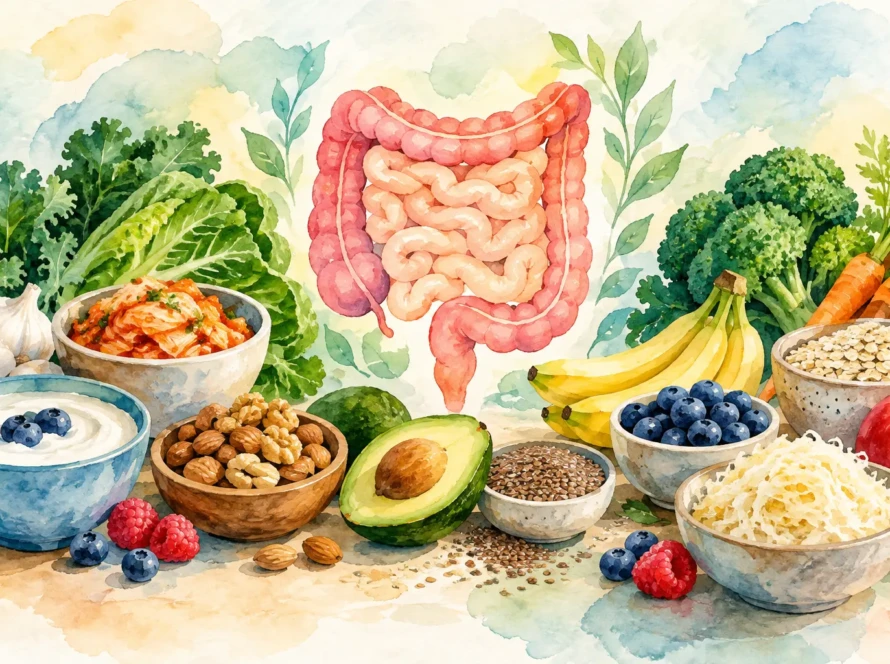
A steadier eating pattern can make pregnancy feel more manageable. Smaller, balanced meals often help with nausea and heartburn. Adequate fluids and fibre support bowel health. Sufficient protein helps keep you fuller for longer. These are simple shifts, but they often create noticeable relief.
There is also an emotional side to food in pregnancy. Many women feel pressure to eat perfectly, then guilty when cravings or aversions take over. A more useful goal is not perfection but nutritional consistency. If one meal is plain because that is all you can tolerate, the next meal is another chance to add nourishment.
Practical ways to improve pregnancy nutrition
A good pregnancy diet does not need exotic ingredients or complicated recipes. It needs structure, consistency, and foods you can actually manage in your daily routine.
Start by building regular meals instead of grazing randomly. Try not to let long gaps go by, especially if you feel nauseous or light-headed. Include protein in each meal – eggs, dals, yoghurt, paneer, fish, chicken, tofu, or pulses can all work, depending on your food preferences.
Add colour where you can. Fruit, leafy greens, carrots, beetroot, tomatoes, pumpkin, and other vegetables increase vitamin, mineral, and fibre intake without demanding perfection. Choose carbohydrates that keep you fuller for longer, such as oats, roti, rice, potatoes, poha, upma, or wholegrains, and pair them with protein rather than eating them alone.
Hydration matters more than many women realise. Low fluid intake can worsen headaches, tiredness, and constipation. If plain water feels unappealing, try coconut water, soups, milk, or fruit-infused water, depending on what suits you.
Supplements may also play a role, but they should complement food, not replace it. Pregnancy supplements are often necessary for folic acid, iron, vitamin D, or other nutrients, but the right choice depends on your blood work, trimester, and medical advice.
When personalised support makes a real difference
Pregnancy is not the time for guesswork, restrictive dieting, or copying somebody else’s food plan from social media. If you have PCOS, thyroid concerns, gestational diabetes, anaemia, twins, digestive issues, or significant food aversions, a personalised nutrition plan can help you stay on track without stress.
This is especially true for busy women balancing work, family life, commuting, and fluctuating symptoms. You may know what healthy eating looks like in theory, but applying it during pregnancy is different. The most effective plan is one that fits your appetite, routine, culture, blood reports, and stage of pregnancy. That is where expert guidance can turn scattered advice into a clear, sustainable approach.
At LivFit Today, we believe pregnancy nutrition should support real life, not make it harder. The goal is not strict dieting. It is helping you nourish yourself well enough to support your baby and feel stronger through each trimester.
Pregnancy asks a lot from your body, and food is one of the few tools you can use every day to support it. You do not need to get every meal right – you just need a pattern that keeps moving you towards better nourishment, one realistic choice at a time.