One child refuses vegetables unless they are hidden in pasta sauce. Another wants biscuits after school and then eats very little at dinner. Most parents are not dealing with a lack of care – they are dealing with busy schedules, mixed messages, and children whose appetite can change by the day. A good kids nutrition plan does not need to be perfect. It needs to be realistic, balanced, and easy enough to follow on ordinary weekdays.
The goal is not to create a rigid food chart or make every meal a negotiation. The goal is to support growth, concentration, energy, digestion, immunity, and a healthy relationship with food. When families approach nutrition with consistency rather than pressure, children usually do far better over time.
What a kids nutrition plan should actually do
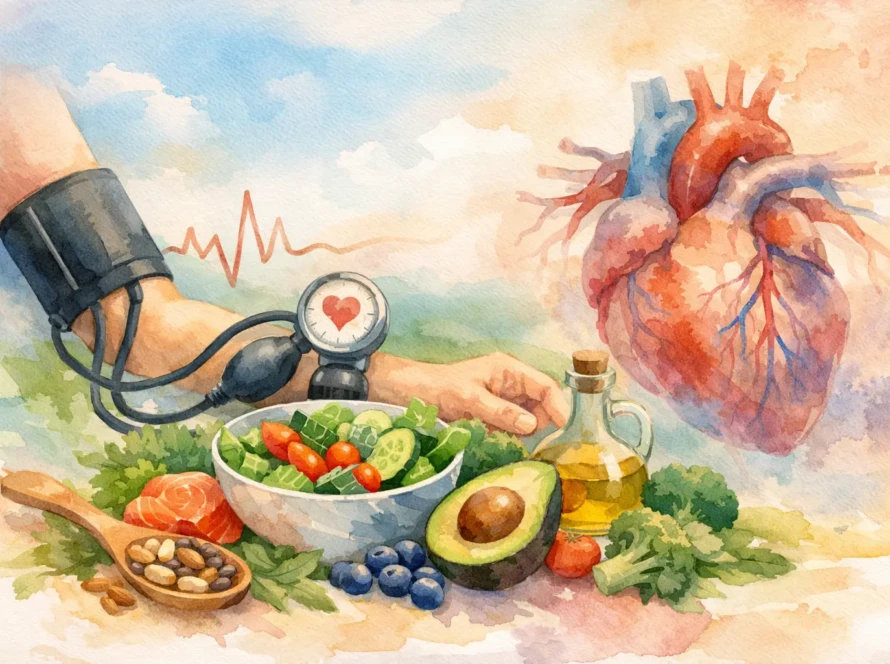
A strong kids nutrition plan should cover far more than calories. Children need enough protein for growth, carbohydrates for energy, healthy fats for brain development, and a steady intake of vitamins and minerals from a variety of foods. They also need regular meal timing, hydration, and an eating pattern that does not rely too heavily on packaged snacks.
This is where many well-meaning plans go wrong. They focus on cutting sugar or making children eat more of one “healthy” food, but they miss the bigger picture. A child who skips breakfast, snacks constantly, and eats very little at lunch may still struggle even if dinner looks nutritious. Structure matters just as much as food quality.
A practical plan also respects appetite changes. Some days a child will eat more, especially during growth spurts or after high activity. Other days they may eat less. Parents do not need to panic at every fluctuation. What matters more is the pattern across the week.
The building blocks of balanced meals
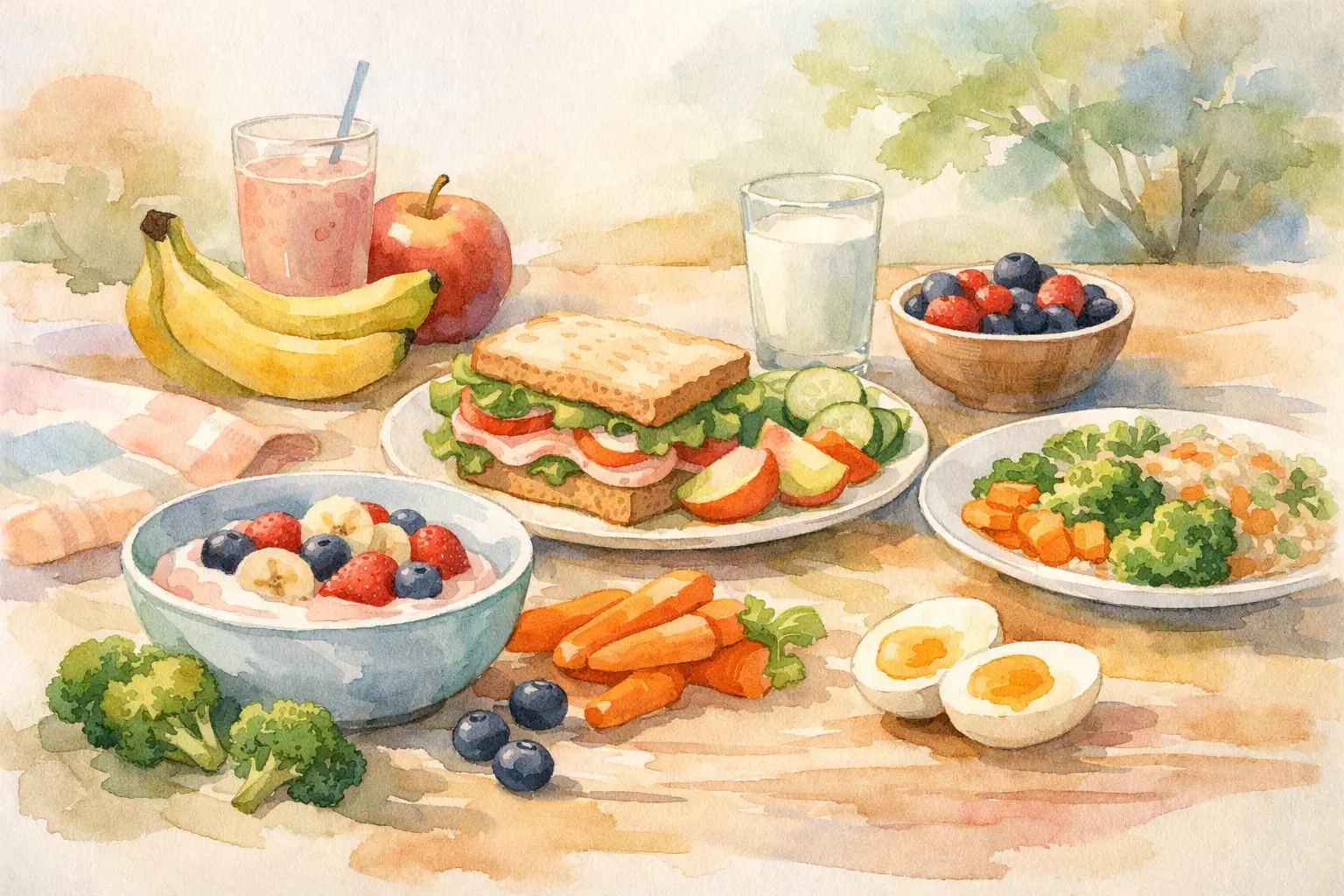
For most families, meal planning becomes easier when every main meal includes three simple elements – a source of protein, a source of energy, and some fibre-rich produce. In everyday terms, that could mean egg with toast and fruit, dal with rice and salad, or paneer wrap with cucumber and carrot.
Protein helps children stay fuller for longer and supports growth. Good options include eggs, curd, paneer, pulses, chicken, fish, tofu, and milk. Carbohydrates are not the enemy in a child’s diet. They are essential for active bodies and growing brains. The better approach is to choose quality sources such as roti, rice, oats, poha, idli, potatoes, wholegrain bread, and fruit.
Healthy fats are often overlooked in children’s diets, yet they are important for development and satiety. Nuts, seeds, nut butters, ghee in sensible amounts, avocado, dairy, and oily fish can all have a place depending on age and tolerance. Then there are vegetables and fruits, which support digestion, immunity, and micronutrient intake. Not every child will eat a large salad, and that is fine. The aim is repeated exposure in forms they can manage.
How to structure the day without constant snacking
Many children eat best with a predictable rhythm. That usually means breakfast, lunch, dinner, and one or two planned snacks depending on age and activity. This helps prevent grazing, which often reduces appetite for proper meals.
Breakfast deserves special attention. Children heading to school after little more than a few sips of milk are likely to feel tired, distracted, or very hungry later. Breakfast does not need to be elaborate. Porridge with fruit, vegetable omelette with toast, besan chilla, yoghurt with oats, or a cheese sandwich can all work well when the morning is rushed.
After-school hunger is another common pressure point. This is where many families end up relying on crisps, biscuits, or sugary drinks because children are tired and want something immediately. A planned snack makes a big difference. Think fruit with peanut butter, boiled eggs, roasted chana, yoghurt, smoothie with no added sugar, homemade sandwich, or dhokla. When children get something filling at the right time, dinner often becomes easier.
A kids nutrition plan for fussy eaters
Fussy eating can be exhausting, but force rarely solves it. In fact, pressure can make resistance worse. A better strategy is calm repetition. Offer familiar foods alongside one less preferred food. Keep portions small. Allow children to see, touch, and smell food without making every bite a battle.
Parents often worry that children will never learn to like new foods unless they are made to eat them. Usually, the opposite is true. Acceptance grows with low-pressure exposure. A child may reject cucumber ten times and then start eating it in sandwiches. They may dislike dal plain but accept it in khichdi. These are not failures. They are part of the process.
It also helps to avoid labelling children as “bad eaters”. Labels tend to stick. Instead, focus on routine and availability. Keep nutritious foods visible and accessible, and keep highly processed snack foods occasional rather than routine. If a child is truly eating a very narrow range of foods, has poor growth, frequent fatigue, digestive issues, or strong sensory aversions, more personalised support is worth considering.
Common mistakes parents make with children’s food
One of the biggest mistakes is using food as reward or punishment. When dessert becomes the prize for eating vegetables, children learn that vegetables are the chore and sweets are the value. Over time, that can make balanced eating harder, not easier.
Another common issue is portion anxiety. Parents may push children to finish everything on the plate even when the child is full. This can interfere with natural hunger cues. Children are usually better at self-regulating than adults think, especially when meals are structured and snacks are sensible.
There is also the problem of over-correcting. After noticing weight gain or a strong preference for junk food, some families suddenly remove favourite foods completely. That tends to backfire. Restriction can increase fixation. A better model is balance – regular nutritious meals, fewer ultra-processed foods at home, and room for occasional treats without guilt.
What to do if your child is underweight or overweight
This is where generic advice can do more harm than good. If a child is underweight, the answer is not simply to feed more junk food for extra calories. They may need more frequent meals, improved protein intake, better fat quality, or support for issues such as poor appetite, constipation, or selective eating.
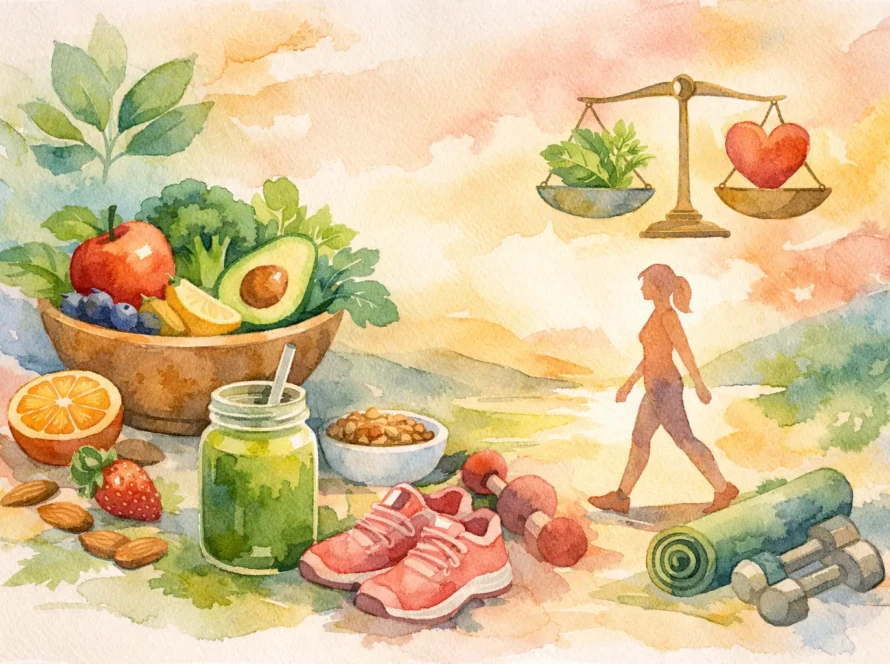
If a child is gaining excess weight, strict dieting is not the solution either. Children need nourishment for growth, so the focus should be on meal quality, routine, sleep, activity, screen habits, and family food patterns. Sugary drinks, constant snacking, oversized portions, and low movement can all contribute, but the response should still be practical and supportive rather than shame-based.
This is why a personalised plan matters. A child’s age, growth pattern, activity level, medical history, school routine, and food preferences all affect what will work. At LivFit Today, this kind of personalised approach is what makes nutrition sustainable rather than stressful.
Making healthy eating work in real family life
Perfection is not required. If breakfast is solid, lunch is average, the after-school snack is balanced, and dinner includes at least one nourishing component your child accepts, that is progress. Nutrition is built over repeated days, not one perfect plate.
Parents can make things easier by planning a few dependable options each week instead of reinventing every meal. Keep staples ready. Prep fruit. Boil eggs. Set curd. Make sandwich fillings ahead of time. Small systems reduce last-minute decisions, and last-minute decisions are often where less helpful choices creep in.
Children also copy what they see. Family meals, even a few times a week, can quietly improve food habits. When adults eat vegetables, drink water, sit down for meals, and speak normally about food, children absorb those patterns. That influence is stronger than lectures.
When professional guidance helps
Some situations need more than general tips. If your child has frequent constipation, poor weight gain, obesity concerns, recurrent illness, low haemoglobin, food allergies, very selective eating, or a medical condition affecting diet, tailored support can save months of confusion. The right plan should fit your child’s needs without making family life harder.
A good kids nutrition plan is not about creating fear around food. It is about giving children enough of what they need, reducing daily battles, and building habits they can carry into adolescence and adulthood. Start with routine, improve one meal at a time, and remember that steady change is often the change that lasts.