That afternoon blood pressure reading at your GP surgery can change how you look at food overnight. Suddenly, salt, snacks, takeaways and even your morning cereal start to feel like they matter more than they did last week. The good news is that a high blood pressure diet plan does not need to be harsh, bland or impossible to follow. What works best is a steady, realistic way of eating that helps lower sodium, improves overall heart health and still fits around work, family meals and busy routines.
What a high blood pressure diet plan should actually do
A useful plan is not just about cutting out salt. It should help you eat in a way that supports healthier blood pressure through several routes at once. That means reducing excess sodium, getting enough potassium, magnesium and fibre, improving weight management where needed, and making meals more consistent rather than swinging between restraint and overeating.
This is where many people go wrong. They focus on one change, usually removing table salt, but keep relying on packaged soups, sauces, biscuits, crisps, processed meats and frequent restaurant meals. A stronger approach looks at your whole eating pattern. Small decisions repeated daily matter far more than one perfect lunch.
If you also have diabetes, kidney concerns, thyroid issues or are trying to lose weight, the details may need adjusting. There is no single chart that suits everyone. But the foundations remain the same.
The core of a high blood pressure diet plan
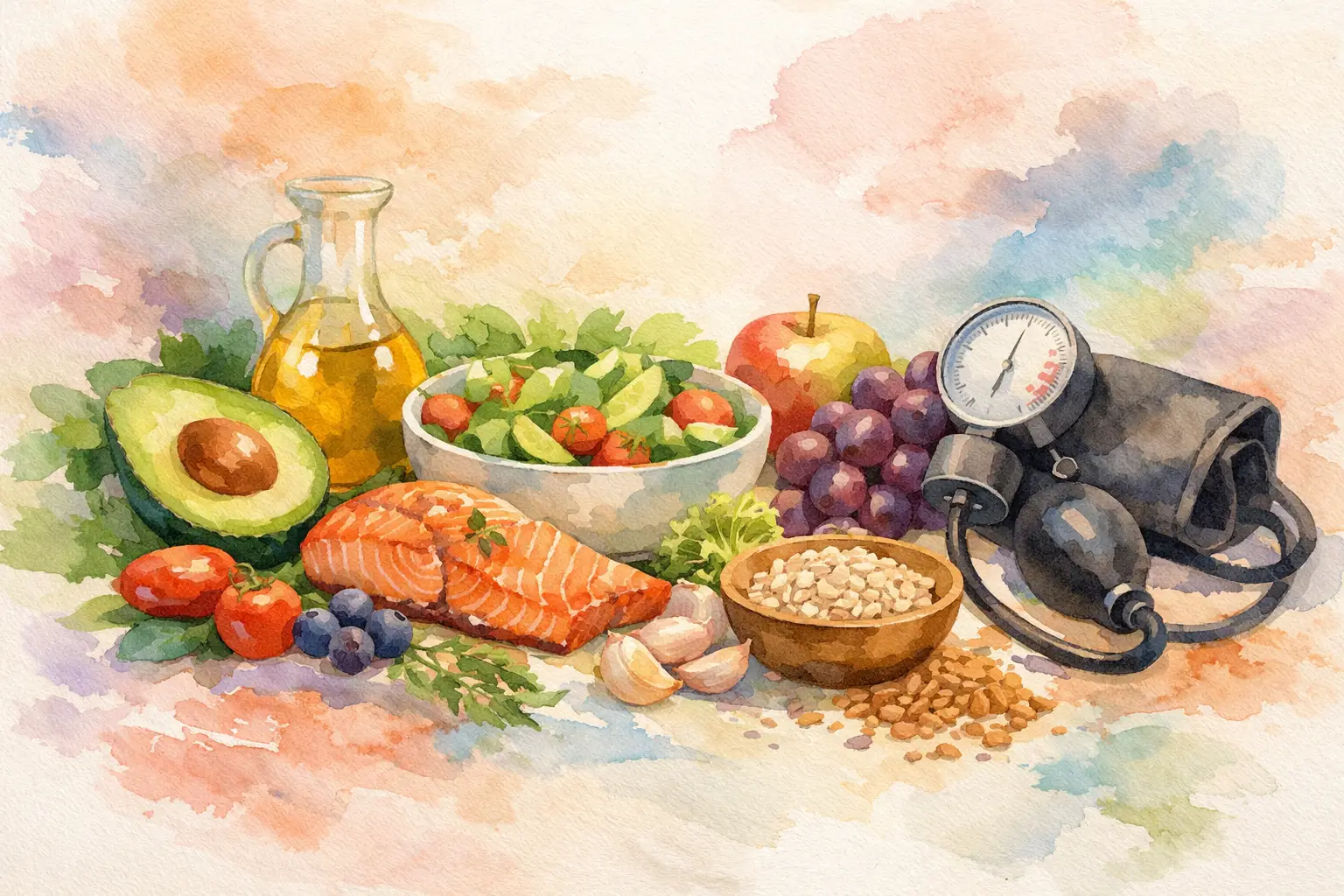
Start with foods that are naturally lower in sodium and richer in nutrients. Vegetables, fruit, pulses, oats, curd, plain yoghurt, nuts in moderate amounts, seeds and minimally processed grains should appear often. These foods support fullness, make meals more balanced and reduce dependence on high-salt convenience items.
Protein matters too. Many adults either under-eat protein through the day or rely on salty sources such as processed cheese, kebabs, sausages or packaged meats. Better options include dals, chana, rajma, moong, tofu, paneer in sensible portions, eggs, fish and fresh chicken cooked with controlled seasoning. If you are vegetarian, combining pulses, dairy, soy foods and nuts can make the plan both practical and satisfying.
Carbohydrates do not need to be feared, but quality and portion size matter. Rotis, brown rice, hand-pounded rice, porridge oats, poha with vegetables, upma made with plenty of veg, and millets can all fit well. What tends to push blood pressure and weight in the wrong direction is a pattern built around refined flour, bakery products, sugary drinks and oversized portions.
Fat is another area where balance matters. You do not need a fat-free diet. In fact, meals that include sensible amounts of nuts, seeds and good-quality oils can be easier to sustain. The goal is to cut back on deep-fried foods, repeated reheating of oil and frequent intake of packaged fried snacks.
Foods to reduce without feeling deprived
Most people can identify obviously salty foods, but hidden sodium is often the bigger issue. Breakfast cereals, breads, instant noodles, ketchup, pickles, papads, packaged soups, frozen snacks, ready gravies and cheese spreads can all contribute more than expected. Even “healthy” snacks can be high in sodium if they are flavoured, roasted or packaged.
This does not mean you can never eat out or enjoy convenience. It means those foods should stop being the default. If you order food several times a week, choose simpler dishes more often, ask for less salt where possible, and avoid combining multiple salty items in one meal.
Alcohol also deserves attention. For some people, reducing intake has a noticeable effect on blood pressure, sleep and appetite control. If weekends tend to include heavy food and drinks together, that pattern may be more relevant than one extra pinch of salt at home.
How to build your plate through the day
The easiest way to follow a high blood pressure diet plan is to stop thinking only in terms of “allowed” and “not allowed” foods. Instead, structure meals so they naturally become more supportive.
At breakfast, aim for fibre and protein rather than a quick refined option. Vegetable oats with curd, besan chilla with mint chutney, egg on wholegrain toast with tomato, or unsweetened yoghurt with fruit and seeds are all stronger choices than biscuits and tea or a bakery-heavy breakfast.
Lunch and dinner should feel balanced, not sparse. Fill at least half the plate with vegetables or salad, include a steady protein source, and keep grain portions sensible rather than excessive. A meal such as roti, dal, sabzi and salad works well because it is familiar, affordable and easy to repeat. Grilled fish with vegetables and rice, or rajma with brown rice and cucumber raita, can do the same job.
Snacks are often where sodium creeps in. Replace routine crisps, namkeen and packaged munching with fruit, unsalted nuts, roasted chana, plain yoghurt, homemade sprouts chaat or vegetable sticks with hummus. You do not need to snack constantly, but if long gaps lead to overeating later, a planned snack helps.
A simple one-day meal example
A realistic day might begin with vegetable poha cooked with minimal salt, served with plain curd. Mid-morning, you could have a fruit such as apple, guava or orange. Lunch could be two rotis, mixed dal, lauki or bhindi sabzi, salad and a bowl of curd.
In the evening, instead of reaching for packaged snacks with tea, try roasted chana or a small handful of unsalted nuts. Dinner could be grilled chicken or tofu, sautéed vegetables and a small portion of rice, or khichdi with extra vegetables and a side of cucumber raita. If you want something after dinner, keep it light, such as fruit or warm milk if it suits you.
This is not the only correct plan. It is simply a good example of what balanced can look like when blood pressure is a concern.
What helps beyond salt reduction
Potassium-rich foods can support blood pressure control, especially when your diet has been heavy in processed food. Bananas, coconut water, spinach, sweet potato, beans, lentils and many fruits and vegetables contain potassium, though people with kidney disease need medical guidance before increasing it.
Fibre also deserves more credit. A diet with enough vegetables, fruit, oats, pulses and whole grains can improve appetite control, support cholesterol levels and make weight loss easier if that is one of your goals. Even a modest drop in weight can help improve blood pressure readings for many adults.
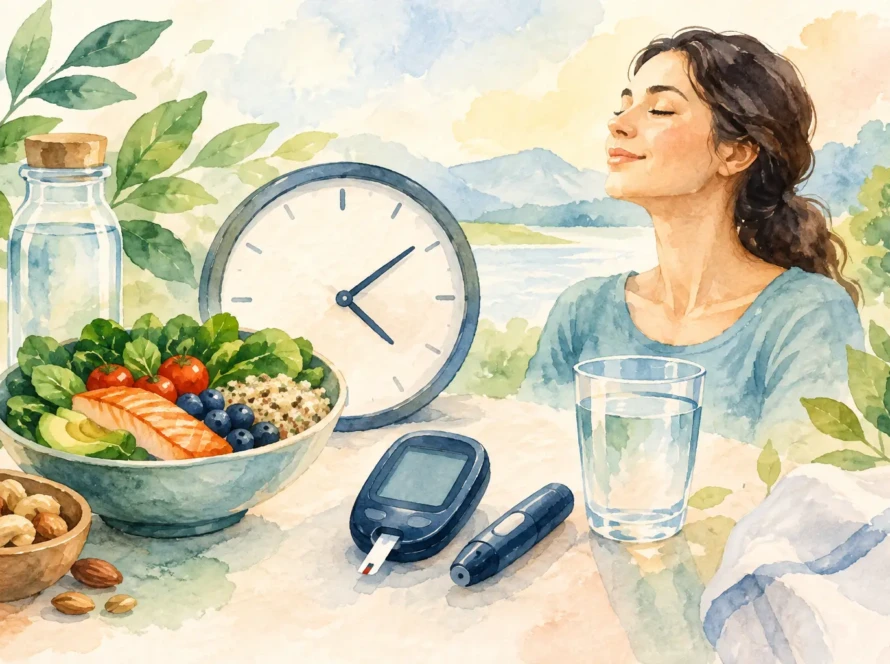
Hydration, regular meal timing and sleep make a difference too. If you rely on caffeine, skip meals and eat late after a stressful day, your food choices usually become saltier and more convenient. The plan works better when your routine supports it.
Common mistakes that slow progress
One common mistake is switching to “diet” packaged foods and assuming they are heart-friendly. Many are still high in sodium, sugar or additives. Another is eating very little during the day and then having a large, salty dinner because of hunger and fatigue.
Some people become overly restrictive and cut out too much too quickly. That often lasts for a week, then old habits return. Sustainable progress usually comes from repeatable meals, smarter ordering choices, and better kitchen habits rather than extreme rules.
There is also the question of supplements. They are not a shortcut for poor food habits. If your doctor or dietitian has recommended something specific, follow that advice, but food pattern changes remain the priority.
When a personalised plan matters more
If your blood pressure is consistently high, if you are on medication, or if you also have diabetes, PCOS, kidney concerns or a history of emotional eating, a generic plan may only take you so far. Your calorie needs, sodium tolerance, weight goals, meal timing and cultural food preferences all matter.
This is why personalised support can make the process faster and more realistic. At LivFit Today, the focus is not on handing over a rigid chart and hoping for the best. It is on building a plan that works with your schedule, food choices and medical needs so you can get measurable results without feeling punished by your meals.
A high blood pressure diet plan works best when it feels normal enough to continue on a Monday morning, not just during a burst of motivation on Sunday night. Start with the next meal, make it better than the last one, and let consistency do the heavy lifting.