Morning sickness at 8 am, a work call at 9, and a hundred opinions from family by lunch – this is exactly why pregnancy and postpartum nutrition needs to be practical, not perfect. Most women do not need a rigid food chart or a long list of foods to fear. They need clear guidance that supports energy, baby’s development, recovery, and real life.
The truth is that nutritional needs shift across pregnancy and after birth, but not in the dramatic way social media often suggests. Eating for two is not the goal. Eating with purpose is. That means building meals that cover key nutrients, adjusting appetite and portion sizes as your body changes, and knowing when symptoms, cravings, fatigue, or weight changes need more personalised attention.
Why pregnancy and postpartum nutrition matters so much
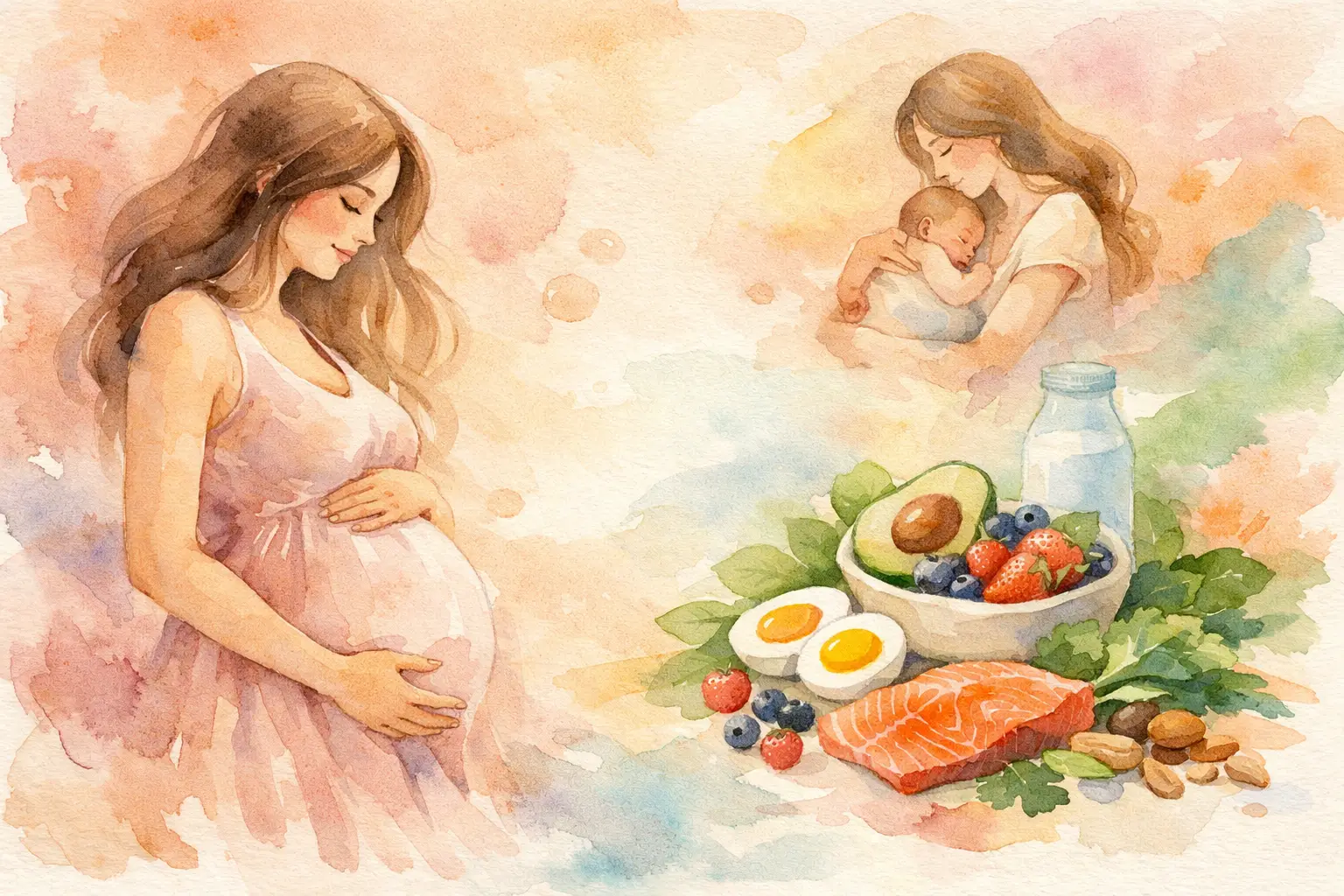
During pregnancy, your body is doing intensive work in the background every single day. It is building the placenta, supporting blood volume expansion, growing maternal tissue, and supplying the nutrients needed for your baby’s organs, bones, and brain. After delivery, the focus shifts again. Your body needs support for healing, hormone changes, sleep disruption, and, if you are breastfeeding, milk production.
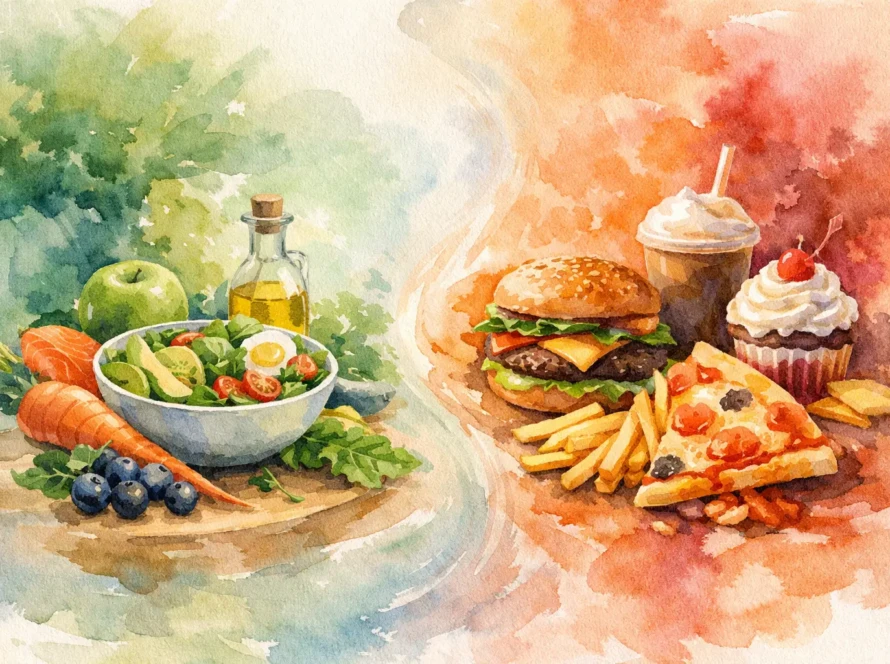
This is why random dieting during these phases can backfire. Under-eating may leave you exhausted, worsen nausea, reduce iron stores, and make recovery harder. On the other hand, assuming every craving must be answered with ultra-processed foods can leave you sluggish and contribute to excessive weight gain, unstable blood sugar, and poor digestion. The best approach usually sits in the middle – balanced, flexible, and tailored to your stage.
What to focus on during pregnancy
Pregnancy nutrition does not need to be complicated, but it does need to be intentional. Instead of chasing superfoods, focus on consistent meals that combine protein, fibre-rich carbohydrates, healthy fats, and a variety of micronutrients.
Protein matters more than many women realise. It supports foetal growth, maternal tissue repair, and satiety. If your breakfast is only tea and toast, you are likely to feel hungry and drained quickly. Eggs, curd, paneer, dals, fish, chicken, tofu, and Greek yoghurt can all help anchor meals better.
Iron is another big one, especially because low iron is common in pregnancy. If iron intake is poor, fatigue, breathlessness, and weakness can become more noticeable. Include iron-rich foods such as lean meats, legumes, beans, spinach, garden cress seeds, and fortified cereals where appropriate. Pairing these with vitamin C foods like citrus, amla, guava, capsicum, or tomatoes can improve absorption.
Folate is essential early on, but it remains relevant throughout pregnancy because it supports cell growth and development. Leafy greens, lentils, beans, and fortified grains help, though many women will still need supplementation as advised by their clinician.
Calcium, vitamin D, iodine, choline, and omega-3 fats also deserve attention. These nutrients support bone health, thyroid function, and baby’s brain development. Milk, yoghurt, paneer, sesame, ragi, eggs, fish, and walnuts can all play a role, depending on dietary preference.
Eating well when symptoms get in the way
Textbook advice sounds easy until nausea, acidity, constipation, food aversions, or bloating begin. This is where realistic nutrition matters most.
If nausea is strong, large meals often make things worse. Small, frequent meals may work better. Dry foods such as plain toast, crackers, or khakra can help first thing in the morning for some women, while others tolerate cold foods better than hot meals. Ginger, lemon, and simple carbohydrate plus protein combinations can also be easier to manage.
If heartburn is the issue, very spicy, greasy, or oversized meals may trigger discomfort. Eating slowly, keeping dinner lighter, and avoiding lying down immediately after meals often helps. For constipation, hydration, fruit, vegetables, oats, seeds, and adequate movement can make a real difference. But fibre only works properly when fluid intake is also there.
It depends on the person. One woman may manage full meals and another may survive on plain rice, curd, and fruit for a few weeks. The priority is not perfection. The priority is improving intake steadily and protecting nutritional adequacy where possible.
How much extra food do you actually need?
This is one of the most misunderstood parts of pregnancy and postpartum nutrition. Energy needs do increase, but usually not as early or as dramatically as people assume. In the first trimester, many women do not need much additional energy at all. By the second and third trimesters, the increase becomes more meaningful, but it is still about nutrient density, not doubling portions blindly.
In practice, that may look like adding a balanced snack, increasing protein, or improving meal quality rather than overeating. A fruit with nuts, curd with seeds, an egg sandwich, or dal with roti and salad is often more useful than simply eating more biscuits, sweets, or fried snacks.
Weight gain also needs context. Too little gain can be a concern, and too much can be a concern. Your starting weight, medical history, activity level, and pregnancy progression all matter. This is exactly why standard advice from friends or the internet is often unhelpful.
Postpartum nutrition is not just about losing weight
After birth, many women feel pressure to bounce back quickly. But postpartum is not the right time for aggressive dieting. Your body is recovering from delivery, blood loss, tissue repair, sleep deprivation, and major hormonal shifts. If you are breastfeeding, nutritional demands remain high.
Good postpartum nutrition should support healing first. Protein helps tissue recovery. Iron may still be important, especially if you had heavy blood loss or low iron during pregnancy. Fluids matter, and regular meals become even more important when sleep is broken and hunger cues are erratic.
This phase can be surprisingly difficult because routine disappears. New mothers often end up eating whatever is quickest, then wonder why energy crashes and cravings keep building. Simple meal structure helps. Aim for something balanced every few hours, even if it is not a full formal meal.
A practical day may include porridge with nuts and fruit, dal rice with vegetables and curd, a sandwich with paneer or egg, fruit with yoghurt, and a simple dinner of roti, sabzi, and protein. It does not need to be fancy. It needs to be reliable.
Breastfeeding, hunger and recovery
Breastfeeding can increase hunger and thirst noticeably, but appetite varies. Some women feel constantly hungry, while others feel too tired to notice hunger at all. Both situations can lead to poor intake if meals are not planned in advance.
Breastfeeding mothers often do well with easy, ready options at home – boiled eggs, roasted chana, fruit, yoghurt, paneer, homemade laddoos made sensibly, soups, and leftovers that can be assembled quickly. Traditional postpartum foods can absolutely fit, but portion size and preparation still matter. A recovery food is not automatically beneficial if it is overloaded with sugar, ghee, and very little protein.
Hydration also matters, but there is no need to force litres beyond comfort. Sip regularly through the day and watch for signs such as dark urine, headaches, or fatigue.
When personalised support matters most
There are times when general advice is not enough. If you have gestational diabetes, thyroid concerns, PCOS, low haemoglobin, high blood pressure, severe nausea, poor appetite, digestive issues, or a history of disordered eating, your nutrition plan should be adjusted carefully. The same applies if postpartum weight retention feels stubborn, milk supply is a worry, or meal timing has completely fallen apart.
A personalised plan can help balance nutrients without making food feel stressful. That might mean modifying carbohydrate quality and timing, improving protein distribution, correcting deficiencies, or creating meals that work around office hours, family meals, and recovery needs. At LivFit Today, this is where structured guidance can make a measurable difference – not through restriction, but through a plan built around your body and routine.
A realistic way to think about food in this phase
You do not need to eat perfectly to nourish yourself well during pregnancy or after birth. You need consistency more than intensity. Most women benefit from three balanced meals, one to three smart snacks, enough protein through the day, regular fluids, and a simple strategy for difficult symptoms or busy days.
There will be days when cravings win, nausea takes over, or lunch happens at 4 pm. That does not mean you have failed. It means the plan needs to be realistic enough to hold up on imperfect days too.
If you are pregnant or newly postpartum, think less about strict control and more about support. The right nutrition plan should help you feel steadier, stronger, and better equipped for what your body is being asked to do right now.