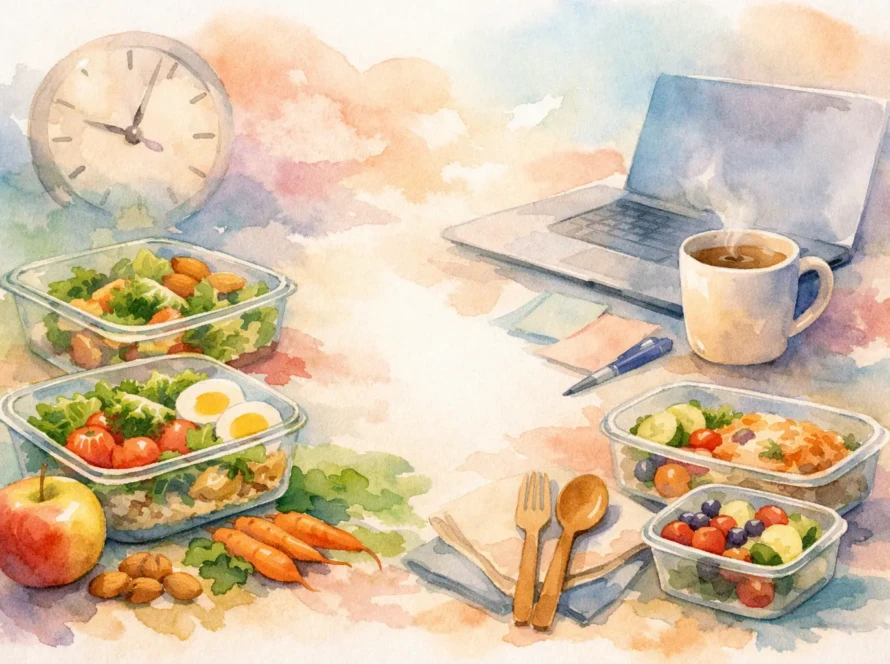
You do not need a stricter diet. You need a pattern of eating you can follow on a busy Monday, during family outings, through work stress, and even when motivation dips. That is the real answer to how to build healthy eating habits – not a perfect meal plan for one week, but a realistic approach you can repeat for months.
For many people, the problem is not a lack of information. It is inconsistency. You may know vegetables are good for you and that overeating ultra-processed snacks does not help your goals. But when meetings run late, sleep is poor, or cravings hit in the evening, knowledge alone does not carry you through. Habits do.
Healthy eating habits work best when they reduce decision fatigue, support your lifestyle, and feel sustainable enough to continue. If your plan depends on willpower every few hours, it will usually break down. If it fits your routine, food preferences, family needs, and health goals, results become much more achievable.
Why healthy eating habits matter more than short-term dieting
Strict dieting can produce quick changes on the scale, but quick changes are not always lasting changes. Many restrictive plans cut out favourite foods, ignore hunger, or expect people to follow rules that simply do not match real life. That often leads to frustration, overeating, and the feeling that you have failed, when in fact the plan failed you.
Healthy eating habits are different. They focus on repeatable behaviours such as eating regular meals, including enough protein, planning snacks properly, and managing portions without feeling deprived. These habits improve energy, digestion, blood sugar balance, workout performance, and weight management. They also support people dealing with thyroid concerns, diabetes, high blood pressure, PCOS, pregnancy nutrition needs, or family meal challenges.
The goal is not to eat perfectly. The goal is to make good choices often enough that your body and health markers move in the right direction.
How to build healthy eating habits in a way that feels practical
The biggest mistake people make is trying to change everything at once. They cut sugar, stop eating out, start meal prepping every Sunday, give up snacks, and aim to drink four litres of water a day. That looks disciplined for about five days. Then life happens.
A better approach is to start with one or two habits that create visible impact. For some, that means eating breakfast instead of skipping it and overeating later. For others, it means adding a proper lunch during work hours or stopping random evening grazing. The right starting point depends on your routine and where your eating pattern breaks down most often.
If your mornings are rushed, build a simple breakfast habit around foods you will actually eat. If afternoons lead to cravings, a balanced lunch and planned snack may be more useful than chasing motivation. If dinners are heavy and late, adjusting timing and portion balance could make the biggest difference.
This is where personalised guidance matters. There is no single perfect habit for everyone. A working professional in Bangalore with long commutes, a new mother in Delhi, and a fitness-focused client in Mumbai will all need different solutions.
Start by noticing your current pattern
Before changing your diet, spend a few days observing it. Notice when you eat, what triggers overeating, and where you feel out of control. You may find that your issue is not breakfast at all. It may be poor sleep leading to sugar cravings, long gaps between meals, emotional eating after work, or ordering takeaway because nothing is planned.
This step matters because healthy eating is not only about food choices. It is also about timing, environment, stress, convenience, and routine. Once you understand your pattern, the next steps become more targeted.
Build meals that keep you full
Many unhealthy eating habits start with meals that are too small, too refined, or lacking protein and fibre. If breakfast is only tea and biscuits, or lunch is just a sandwich with little substance, hunger will catch up later.
A more balanced meal usually includes protein, fibre-rich carbohydrates, healthy fats, and vegetables or fruit. That could be eggs with toast and fruit, dal with roti and sabzi, curd with poha and seeds, grilled paneer with rice and salad, or a balanced snack such as yoghurt with nuts. The exact foods can vary. The principle stays the same – eat in a way that supports fullness and steady energy.
This does not mean every plate must look perfect. It means your meals should leave you satisfied, not searching for snacks an hour later.
Make your environment work for you
Willpower is unreliable when you are tired, stressed, or distracted. Environment is more dependable. If your kitchen, office drawer, or daily commute constantly pushes you towards convenience foods, habits become harder to maintain.
Keep practical options available. Stock ingredients for quick meals. Carry a planned snack if long workdays tend to lead to overeating. Decide in advance what you will do on busy evenings rather than waiting until you are exhausted and hungry.
This is especially important for urban lifestyles where schedules shift quickly. If your healthy eating plan only works when you have plenty of time, it is not built for your real life. Good habits need a weekday version, a travelling version, and an eating-out version.
Plan for imperfect days
One takeaway meal, one celebration, or one stressful evening does not ruin your progress. What matters is how quickly you return to your routine. People often slip into an all-or-nothing mindset – if lunch was unhealthy, the whole day is written off. Then dinner becomes heavier, snacking increases, and guilt builds.
A more useful mindset is to recover at the next meal. If breakfast was rushed, make lunch better. If dinner was indulgent, return to balance the next morning. Healthy eating habits grow stronger when you stop treating setbacks as failure.
Use consistency, not restriction, to support weight loss
If your goal is fat loss, healthy eating habits still matter more than extreme dieting. Rapid plans may bring short-term changes, but if they leave you tired, hungry, or socially isolated, they are hard to maintain. Sustainable weight loss usually comes from improving food quality, meal timing, portion awareness, and consistency over time.
It also helps to separate healthy eating from punishment. You are not eating better because you were “bad” over the weekend. You are eating better because your body responds well to structure, nourishment, and balance.
For some people, portion control is a key habit. For others, reducing liquid calories, improving protein intake, or fixing late-night snacking will bring better results. It depends on what is currently driving excess intake. This is why two people can follow similar foods yet see very different outcomes.
Healthy eating habits for families and busy professionals
When you cook for a household or juggle long office hours, simplicity wins. Complicated recipes and rigid food rules rarely survive demanding schedules. Choose meals that are easy to repeat, easy to shop for, and easy to adjust for different family members.
Batch-cooking basics, keeping breakfast options ready, and rotating a small set of balanced meals can be far more effective than trying a brand-new health recipe every day. Children, partners, and work routines all influence your food habits, so your plan should work within that reality rather than against it.
For professionals, one of the most powerful shifts is eating with intention instead of reacting to hunger too late. Waiting until you are starving makes high-calorie convenience food much harder to resist. A planned meal or snack at the right time often prevents poor choices later.
When expert support can make the difference
If you have tried repeatedly to eat better but keep falling into the same cycle, support can help you move faster. The challenge may not be discipline. It may be that your eating pattern has never been tailored to your health condition, routine, or nutritional needs.
A structured plan can be especially useful if you are managing diabetes, thyroid issues, PCOS, pregnancy-related nutrition concerns, sports performance goals, or repeated weight regain. In these cases, general advice is often too vague. Personalised nutrition support, like the kind LivFit Today focuses on, can make healthy eating feel clearer, more realistic, and more measurable.
Learning how to build healthy eating habits is really about building trust with yourself. You do not need to prove that you can survive on less food. You need to show yourself that you can eat well, stay consistent, and keep going even when life gets busy. Start small, stay honest about what is not working, and choose habits you can still follow a month from now. That is where real change begins.