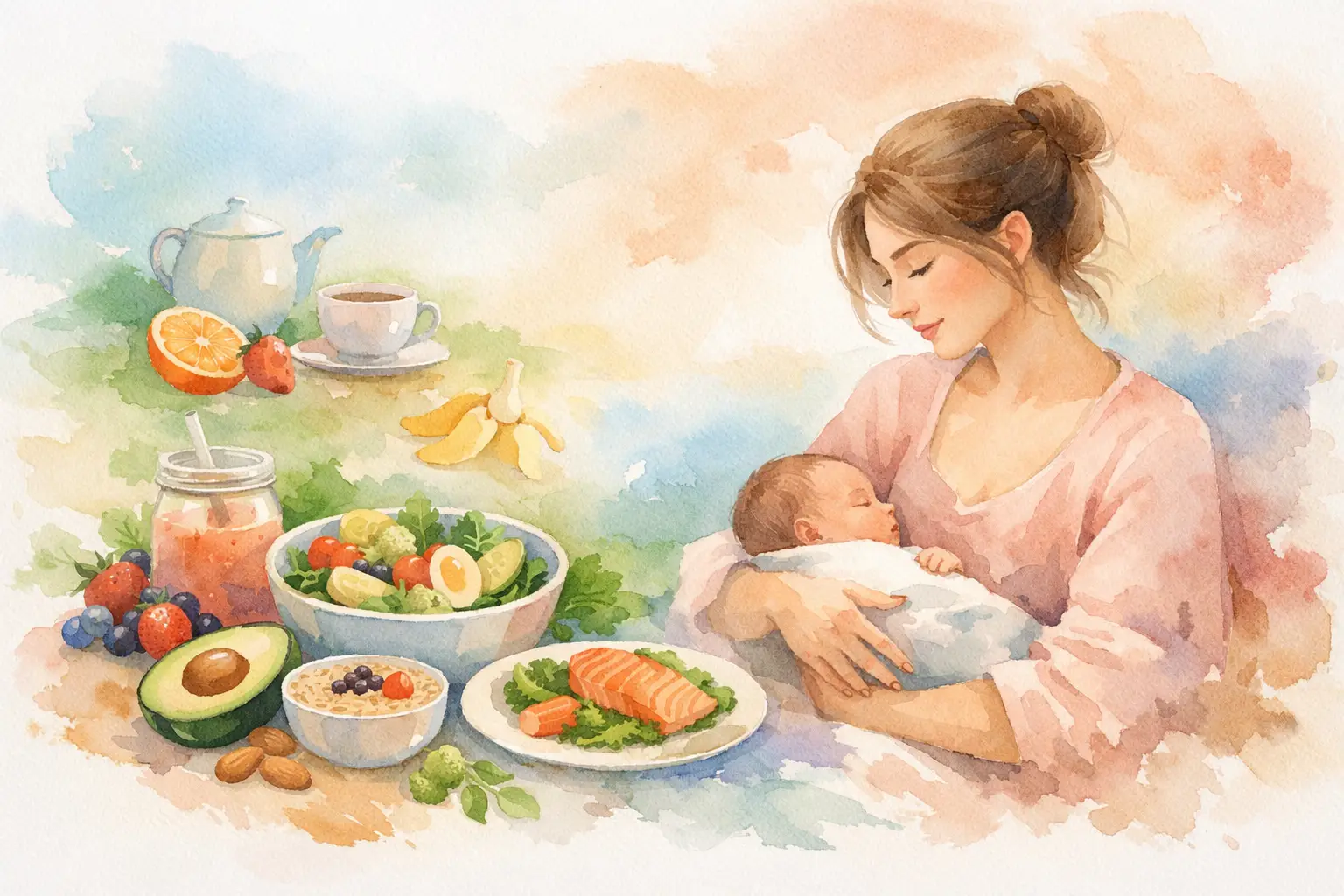
The first weeks with a newborn rarely leave room for perfectly planned meals. Between broken sleep, feeding schedules, recovery and visitors, many new mums end up skipping breakfast, relying on biscuits and tea, or feeling pressured to lose weight quickly. This healthy eating after delivery guide is designed to make food feel supportive again – not like another task on an already full list.
Your body has done significant work through pregnancy and birth. Whether you had a vaginal delivery or a caesarean, your nutrition now should help you heal, maintain energy and, if you are breastfeeding, support milk production. The goal is not starvation, detoxes or a restrictive diet chart. It is steady, nourishing eating that works in real family life.
Start with recovery, not rapid weight loss
Postpartum weight loss is deeply personal. Some women lose weight gradually without trying, while others retain weight for longer because of hormonal changes, reduced sleep, stress, limited movement or medical factors such as thyroid concerns. A caesarean recovery, anaemia, gestational diabetes history or high blood pressure may also change what your body needs.
Trying to cut calories sharply at this stage can leave you exhausted, irritable and more likely to overeat later. It can also make it harder to meet your protein, iron, calcium and fluid needs. If you are breastfeeding, under-eating may affect your own energy and wellbeing, even if your milk supply does not immediately change.
Give yourself permission to focus first on regular meals, strength and recovery. A healthy rate of weight loss usually comes from consistent habits over months, not from punishing rules in the first few weeks after birth.
Healthy eating after delivery guide: build simple balanced plates
You do not need separate “diet food” while the rest of the family eats normally. A balanced Indian home-cooked meal can support recovery beautifully when it includes protein, fibre-rich carbohydrates, vegetables and healthy fats.
At lunch or dinner, aim to fill about half your plate with vegetables or salad where comfortable, a quarter with protein and a quarter with a nourishing carbohydrate. This is a flexible guide, not a rigid measurement. On days when your appetite is low or you are managing nausea, smaller meals more often may work better.
A practical plate could be dal with brown or regular rice, sabzi, curd and salad. It could also be roti with paneer bhurji and mixed vegetables, rajma with rice and cucumber raita, or grilled fish with millet and sautéed vegetables. If you eat eggs, an omelette with vegetables and roti is a quick, satisfying option.
Protein deserves particular attention because it supports tissue repair, keeps meals filling and helps maintain muscle while your routine changes. Include a protein source at each main meal, such as dal, chana, rajma, curd, paneer, tofu, eggs, chicken, fish or lean meat. For vegetarian mums, combining dals, beans, dairy, soy and nuts across the day can make a meaningful difference.
Prioritise nutrients that support healing and energy
Post-delivery tiredness is expected, but persistent fatigue should not simply be accepted as the price of motherhood. Low iron, vitamin B12, vitamin D, thyroid changes and inadequate food intake can all contribute. Your doctor may recommend supplements or blood tests, particularly if you had blood loss during delivery, followed a vegetarian diet, or already had low haemoglobin.
Iron-rich foods include lentils, beans, leafy greens, sesame seeds, eggs, meat and fish. Pair plant-based iron sources with vitamin C-rich foods such as amla, guava, oranges, tomatoes or lemon to help absorption. Try not to have tea or coffee immediately with iron-rich meals, as this can reduce iron absorption.
Calcium and protein are also valuable for new mums. Milk, curd, paneer, ragi, sesame, tofu and fortified foods can contribute, depending on your dietary preferences. Healthy fats from walnuts, flaxseed, chia seeds, groundnuts, avocado and oily fish support overall nourishment and make meals more satisfying.
Do not start multiple supplements on your own just because they are marketed for postpartum health. Your needs depend on your medical history, breastfeeding status, diet and test results. A personalised plan is safer and far more useful than guessing.
Eat enough if you are breastfeeding
Breastfeeding can make you hungry, thirsty and unusually snacky. That does not mean you need to eat constantly, but it does mean your meals should not be overly restricted. Your energy requirements may increase, and these needs vary according to your body size, activity, milk output and whether you are exclusively breastfeeding.
Keep convenient, filling foods within reach during feeds: fruit with nuts, roasted chana, yoghurt, a boiled egg, homemade poha, vegetable upma, peanut chikki in a sensible portion, or wholegrain toast with paneer. These options are more sustaining than sweets, crisps or sugary drinks, especially when sleep is poor.
Drink water regularly and keep a bottle near your feeding spot. Soups, chaas, coconut water and milk can add to your fluid intake, but there is no need to force excessive fluids. Let thirst guide you, and check that your urine is generally pale yellow.
Many families recommend traditional postpartum foods such as gond laddoos, panjiri, ajwain water or ghee-rich preparations. These can be part of your diet if you enjoy them, but portion size matters. They are often energy-dense, so balance them with regular meals rather than treating them as a replacement for vegetables, protein and fruit.
Make busy-day meals easier, not perfect
The most useful postpartum plan is one you can follow when you have slept for three hours and the baby needs you again. Set up simple systems before hunger becomes extreme. Batch-cook a dal or vegetable curry, keep boiled eggs or prepared paneer in the fridge, and ask family members to help with washing fruit or chopping vegetables.
A few reliable meal combinations can remove daily decision fatigue:
- Vegetable dal khichdi with curd and a side salad
- Besan chilla with paneer or curd
- Oats or daliya cooked with vegetables and peanuts
- Roti roll filled with egg, paneer, chicken or chana
- Curd rice with vegetables and a bowl of dal
If a full meal is not possible, pair two foods instead of having only tea. For example, have fruit with yoghurt, toast with eggs, or makhana with milk. Small, balanced eating opportunities can prevent the intense hunger that often leads to evening overeating.
Be realistic about cravings, tea and eating out
Cravings are common when sleep is disrupted and meals are delayed. Rather than banning your favourite foods, make space for them consciously. Have a small sweet after a balanced meal, share dessert with family, or choose a favourite takeaway once in a while alongside a protein-rich, vegetable-based dish. Guilt does not improve food choices; consistency does.
Caffeine can also feel essential after a long night. One or two cups of tea or coffee may fit comfortably for many mums, but keep an eye on how much you are having, particularly while breastfeeding. Too much caffeine may affect sleep further and can make some babies unsettled. Avoid using strong coffee as a substitute for breakfast.
If relatives are bringing food, guide them towards what would genuinely help: fresh sabzi, dal, cooked chicken, cut fruit, wholegrain rotis or nourishing snacks. Accepting practical support is part of recovery.
When personalised nutrition support matters
General postpartum advice has limits. You may need a more tailored approach if you have diabetes, PCOS, thyroid concerns, high blood pressure, anaemia, food allergies, digestive issues, a complicated delivery or significant weight changes. The same applies if you feel anxious around food, are constantly bingeing, or find that body-image pressure is taking over your early motherhood experience.
A dietitian can build a plan around your recovery, cultural food preferences, feeding routine and health goals. At LivFit Today, personalised guidance is built for sustainable progress, so you can nourish yourself without following extreme restrictions or preparing separate meals for everyone at home.
Your body does not need punishment after delivery. It needs regular nourishment, patience and a routine that leaves room for the realities of caring for a new baby. Start with the next meal, make it balanced enough, and let those small choices support you day by day.