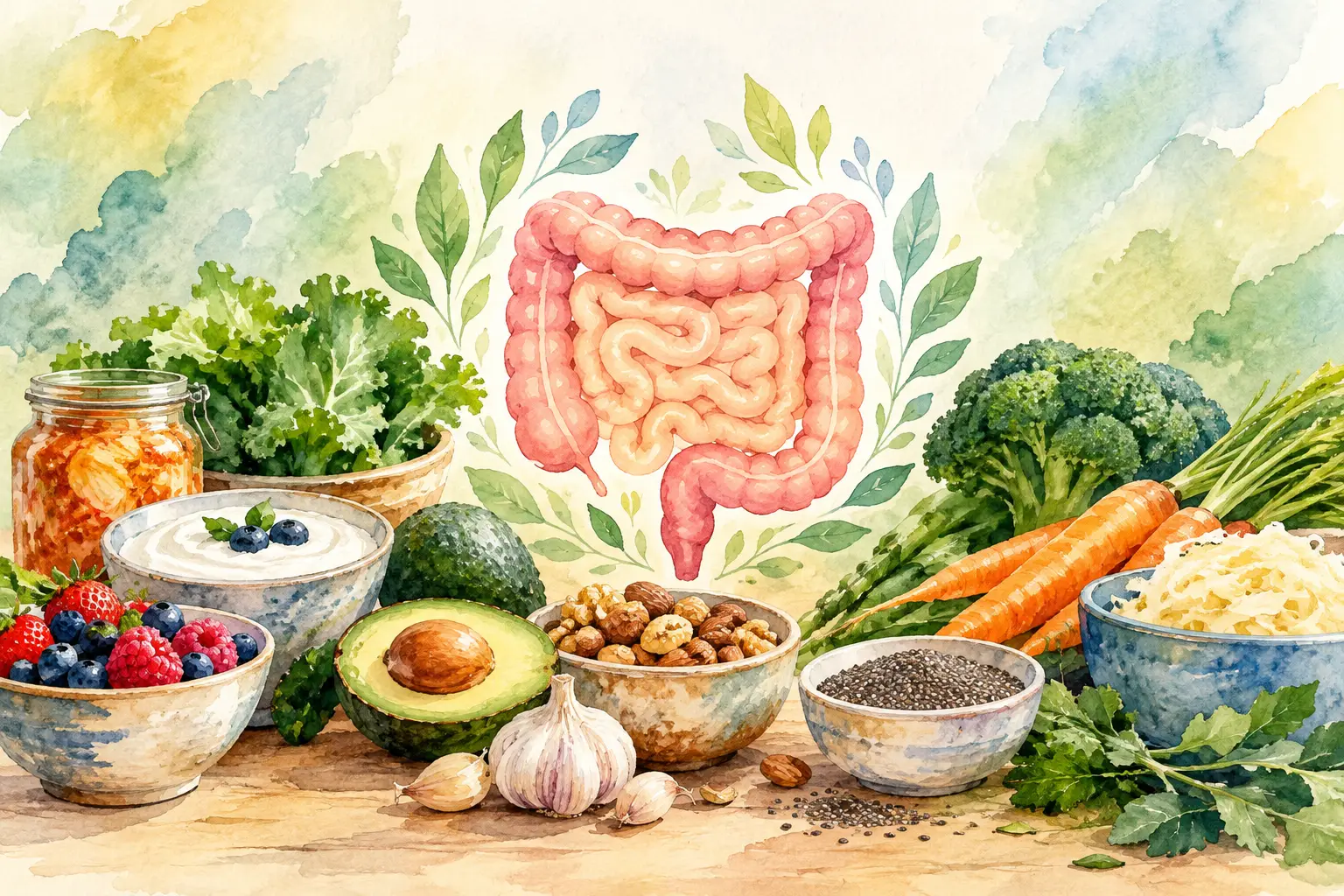
That post-lunch bloating, unpredictable bowel routine or constant feeling of heaviness is not always solved by cutting out more foods. Often, your gut needs more of the right foods, introduced at a pace that suits your body. The top foods for gut health are not expensive powders or a strict detox plan. They are everyday foods that support the helpful bacteria in your digestive system and make balanced eating easier to maintain.
Your gut does far more than digest a meal. It influences how comfortably you eat, absorb nutrients and manage regularity. While no single ingredient can fix every digestive concern, consistently eating a varied, fibre-rich diet can support a healthier gut environment over time.
What makes a food good for gut health?
Most gut-friendly foods work in one of three ways. Some contain fibre that adds bulk and helps keep stools moving. Others provide prebiotics, which are types of fibre that feed beneficial gut bacteria. Fermented foods may contain live cultures that can contribute to microbial diversity.
The goal is not to eat one “superfood” every day while the rest of your meals lack variety. Your gut bacteria thrive on diversity. A plate built around vegetables, fruit, pulses, wholegrains, nuts, seeds and fermented foods usually offers far more value than a restrictive plan that is difficult to follow beyond a week.
For people managing IBS, acidity, diabetes, thyroid concerns or a diagnosed digestive condition, the right approach can differ. More fibre is not automatically better if it causes pain or severe bloating. This is where individual guidance matters.
Top foods for gut health to add to your routine
1. Yoghurt and curd with live cultures
Plain yoghurt or homemade curd can be a simple starting point, particularly at breakfast or alongside lunch. Look for unsweetened options with live cultures where possible. The protein in yoghurt can also make meals more satisfying, which is useful if you are trying to manage weight without relying on starvation diets.
Try it with fruit and oats, as a raita with lunch, or blended into a mint dip. If milk triggers symptoms, lactose-free yoghurt or a suitable non-dairy cultured alternative may be easier to tolerate. Sweetened flavoured yoghurts can contain a surprising amount of added sugar, so they are best kept as an occasional choice rather than your daily gut-health food.
2. Oats and other wholegrains
Oats contain beta-glucan, a soluble fibre that supports regular digestion and can help you stay full for longer. An oat porridge breakfast, overnight oats or an oat-based chilla can work well for busy mornings.
Other useful wholegrains include wholewheat atta, brown rice, millets, barley and quinoa. You do not need to replace every refined grain overnight. Start by changing one meal a day, such as using a higher-fibre breakfast or mixing brown rice with white rice while your digestion adjusts.
3. Pulses, beans and lentils
Dal, chana, rajma, lobia and moong are excellent foods for both gut health and everyday nutrition. They provide fibre, plant protein and resistant starch, which reaches the large intestine and becomes food for beneficial bacteria.
If pulses usually leave you feeling gassy, do not assume you must avoid them forever. Begin with smaller portions, soak beans well, cook them thoroughly and increase intake gradually. Moong dal or masoor dal may feel lighter for some people than a large serving of rajma. Portion size, preparation and your individual tolerance all matter.
4. Fruits with edible skins and seeds
Guava, apples, pears, berries, oranges, pomegranate and kiwi can all support fibre intake. Guava is especially practical in India: it is affordable, filling and provides fibre when eaten with its skin after washing well.
Whole fruit is generally a better choice than juice because juicing removes much of the fibre and can make it easier to consume more sugar quickly. If you find raw fruit uncomfortable during a sensitive digestive phase, stewed apple, ripe banana or softer fruits may be more manageable. There is no need to fear fruit when working towards weight loss – the fibre and chewing involved make it very different from sugary drinks.
5. Vegetables in different colours
Vegetables bring fibre and plant compounds that help create dietary variety. Aim to rotate what you buy rather than eating the same two vegetables every week. Bhindi, carrots, spinach, beans, cabbage, bottle gourd, beetroot, broccoli and seasonal leafy greens all have a place.
Cooked vegetables can be gentler than large raw salads for people with bloating or reflux. A warm sabzi, vegetable soup or mixed vegetable dal is often easier to sustain than forcing down a huge salad that you do not enjoy. Healthy eating should work with your schedule, taste and digestion.
6. Garlic, onion and green banana
Garlic and onion contain prebiotic fibres that help feed certain beneficial bacteria. They are easy additions to curries, dals, soups and vegetable dishes. Greenish bananas and slightly green banana flour also contain resistant starch, although they may not suit everyone.
These foods can be common triggers for people following a low-FODMAP plan for IBS. If onions or garlic cause marked cramps, wind or diarrhoea, do not push through symptoms simply because they are considered healthy. A dietitian can help identify your personal trigger level while keeping your diet nutritious.
7. Nuts, seeds and flaxseed
Almonds, walnuts, peanuts, pumpkin seeds, chia seeds and flaxseed offer fibre alongside healthy fats. A small handful of nuts or a tablespoon of seeds can make breakfast, curd or a snack more satisfying.
Ground flaxseed is often easier to use than whole flaxseed, as whole seeds may pass through undigested. Add it to porridge, atta dough or curd, and drink enough water across the day. Increasing fibre without enough fluid can worsen constipation for some people.
8. Fermented foods, used sensibly
Along with curd, traditional options such as idli, dosa and kanji can add welcome variety. Fermentation does not mean a food is automatically right for every gut concern, and not every fermented product contains meaningful live cultures by the time it reaches your plate.
Choose familiar foods you enjoy and watch your portion sizes. Pickles can be tasty but may be high in salt, while kombucha may contain added sugar and can aggravate acidity in some people. Everyday curd, idli and home-cooked meals are often a more practical foundation than trendy products.
How to build a gut-friendly day without overthinking it
Consistency beats perfection. Begin your day with oats and yoghurt with fruit, or vegetable poha with a side of curd. At lunch, include a dal or bean dish, a vegetable sabzi and a wholegrain where possible. For snacks, choose fruit with nuts, roasted chana or buttermilk instead of regularly relying on biscuits and packaged savouries.
At dinner, keep portions comfortable and include cooked vegetables. If you are increasing fibre, do it over two to three weeks rather than changing everything in a single day. This gives your digestive system time to adapt and makes it easier to notice which foods genuinely suit you.
Lifestyle still counts. Regular meals, adequate water, movement, sleep and stress management can all affect bowel habits and bloating. Eating quickly at your desk, skipping meals all day and then overeating late at night can leave even a nutritious diet feeling uncomfortable.
When gut symptoms need more than food tips
Seek medical advice for blood in stools, unexplained weight loss, ongoing vomiting, severe abdominal pain, persistent changes in bowel habits or symptoms that wake you at night. These signs should not be self-managed with probiotics or home remedies.
For less urgent but ongoing concerns, personalised nutrition can help you move beyond random eliminations. At LivFit Today, a dietitian can consider your symptoms, medical history, activity level, food preferences and health goals to create a plan you can actually follow. This is particularly valuable during pregnancy, with diabetes, or when weight management and digestive comfort need to be addressed together.
Start with one food you can repeat comfortably this week – perhaps a bowl of curd, an extra serving of dal or a piece of fruit with your afternoon snack. Your gut does not need a perfect diet. It needs steady, nourishing habits that fit your real life.