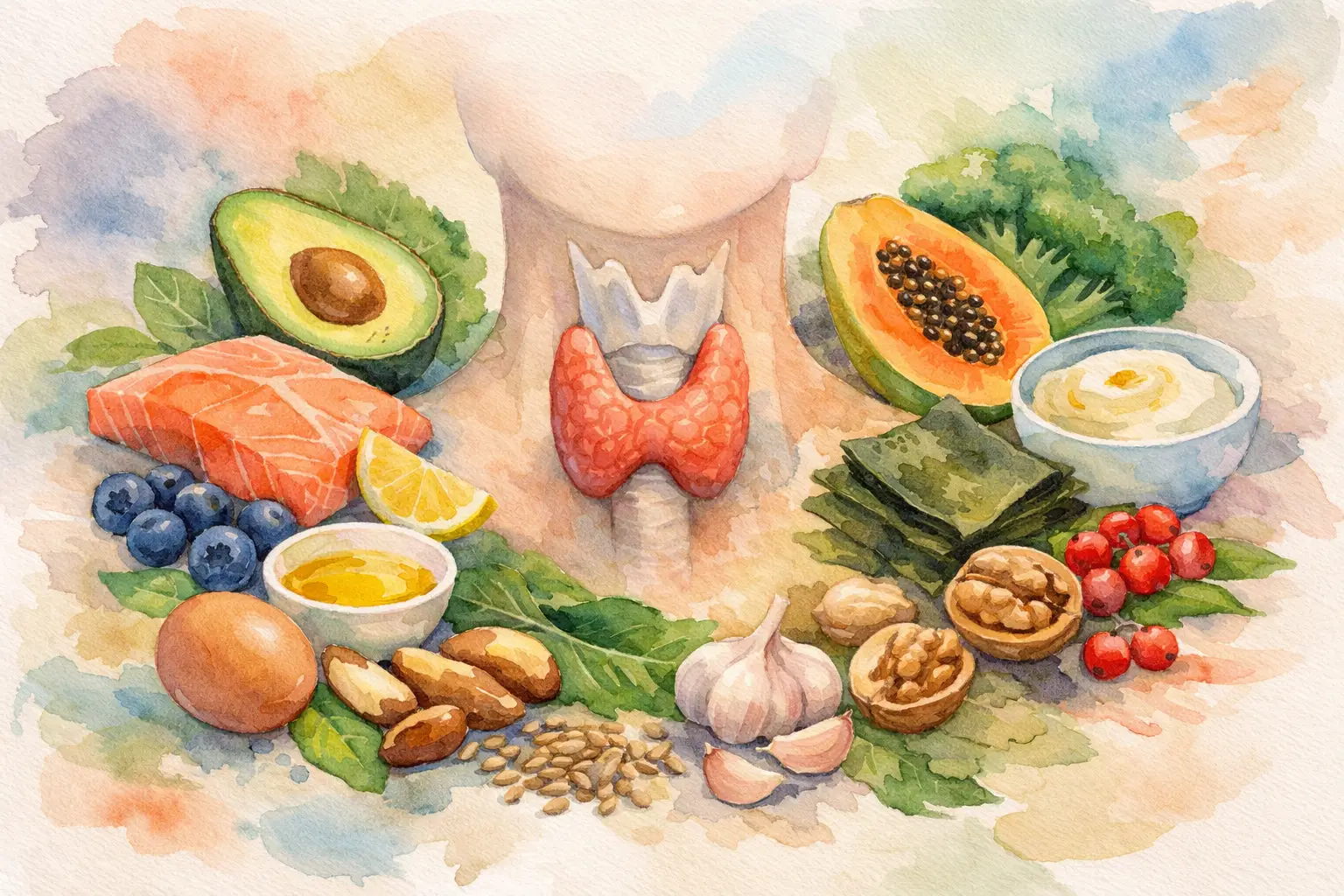
Feeling tired, puffy, constipated or stuck with unexplained weight changes can make every meal feel loaded with pressure. When people start searching for the best foods for thyroid support, what they usually want is simple – clear guidance on what to eat that helps without turning daily life into another restrictive plan.
The truth is, food will not replace medical treatment for thyroid conditions. But the right eating pattern can support thyroid hormone production, help the body use nutrients efficiently, and make it easier to manage energy, appetite and overall wellbeing. That matters whether you are dealing with hypothyroidism, autoimmune thyroid concerns, or simply trying to eat in a way that supports better hormone health.
How food supports thyroid health
Your thyroid needs a steady supply of specific nutrients to do its job well. Iodine helps make thyroid hormones. Selenium supports the enzymes that activate those hormones and protects thyroid tissue from oxidative stress. Zinc, iron, protein, vitamin D and B vitamins also play meaningful roles in hormone production, conversion and energy balance.
This is where many people get confused. The goal is not to chase one so-called superfood. The best results usually come from building meals around a balanced pattern that covers these nutrients consistently. More is not always better, either. For example, too little iodine can be a problem, but too much can also aggravate thyroid issues in some people. That is why a sensible, food-first approach works better than random supplementation.
10 best foods for thyroid support
1. Eggs
Eggs are one of the most practical foods for thyroid support because they offer protein, selenium, iodine and vitamin B12 in one easy option. For busy professionals and families, they are also realistic. A boiled egg at breakfast, an omelette with vegetables, or egg bhurji with wholegrain toast can fit into everyday life without much effort.
If you often feel hungry soon after breakfast, eggs can help improve satiety. That matters when thyroid symptoms are affecting appetite, energy and weight management.
2. Yoghurt and dairy foods
Milk, yoghurt and paneer can contribute iodine, protein and calcium. For many people in the UK, dairy is one of the more reliable iodine sources in the diet. Greek yoghurt is especially useful because it gives you more protein, which can support muscle maintenance and help with fullness.
If you avoid dairy, this does not mean you are doing anything wrong. It simply means you need to be more intentional about getting iodine and protein from other foods.
3. Sea fish
Fish such as cod, haddock and sardines can be excellent choices. White fish tends to provide iodine, while oily fish also gives omega-3 fats and vitamin D, both helpful for overall health and inflammation balance. Salmon, mackerel and sardines are especially valuable if your diet is low in oily fish.
The trade-off is that not all fish provide the same nutrient profile. If your focus is iodine, white fish may help more. If your focus is vitamin D and heart health too, oily fish deserves space on your plate.
4. Brazil nuts
Brazil nuts are famous for selenium, and for good reason. Selenium supports the conversion of thyroid hormone into its active form and helps protect thyroid tissue. Just one or two Brazil nuts can provide a substantial amount.
This is one area where more is definitely not better. Eating large amounts daily can push selenium too high. A small portion a few times a week is usually enough for most people.
5. Lentils and beans
Lentils, chickpeas, kidney beans and other pulses support thyroid health indirectly by providing plant protein, iron, fibre and steady energy. They are especially useful for people who feel sluggish or struggle with constipation, which is common in underactive thyroid patterns.
If you follow a vegetarian diet, pulses become even more important. Pairing them with vitamin C-rich foods like peppers, tomatoes or citrus can help improve iron absorption.
6. Lean poultry
Chicken and turkey provide protein, zinc and B vitamins. Protein matters more than many people realise when talking about thyroid support. It helps maintain muscle mass, supports metabolic health and can make meal planning much more sustainable.
A thyroid-friendly diet is not about eating tiny portions and hoping for results. It is about giving your body enough nourishment to function well.
7. Whole grains
Oats, brown rice, quinoa and wholegrain bread can support stable energy and fibre intake. If thyroid symptoms leave you feeling drained, relying on sugary snacks tends to make things worse over the day. Whole grains release energy more steadily and can help you build balanced meals.
Some people assume they need to remove gluten immediately for thyroid health. That depends. If you have coeliac disease or a medically confirmed sensitivity, gluten avoidance is necessary. If not, cutting it out without a plan can make your diet harder and less balanced than it needs to be.
8. Berries and colourful vegetables
Blueberries, strawberries, spinach, carrots, peppers and beetroot are not thyroid-specific in the same way iodine or selenium-rich foods are, but they support the bigger picture. They provide antioxidants, fibre and vitamin C, which help reduce dietary gaps and support general health.
When your body is under stress, recovery and resilience matter. A colourful plate supports that far better than a narrow diet built around fear.
9. Pumpkin seeds and nuts
Pumpkin seeds, cashews and almonds can contribute zinc, healthy fats and some protein. Zinc plays a role in thyroid hormone metabolism, and low intake may affect thyroid function in some people.
These are easy foods to add rather than overhaul your whole routine for. Sprinkle seeds over porridge, add nuts to yoghurt, or carry a small portion as a snack instead of reaching for biscuits when energy dips.
10. Iodised salt, used sensibly
Iodine is essential for thyroid hormone production, yet many people do not think about where they are getting it from. In some cases, iodised salt can help fill that gap. The key word is sensibly. This is not advice to increase salt intake across the board, especially if you have high blood pressure or have been told to limit sodium.
It is simply a reminder that using iodised salt in moderation may be more helpful for thyroid support than relying only on speciality salts that contain little or no iodine.
Foods that need context, not fear
You have probably heard warnings about soy, cabbage, broccoli and cauliflower. These foods are often labelled as bad for the thyroid, but that is too simplistic. Cruciferous vegetables are highly nutritious, and for most people they are not a problem when eaten in normal amounts, especially cooked. Soy foods can also fit into a healthy diet.
The bigger issue is timing if you take thyroid medication. Soy, high-fibre meals, calcium and iron supplements can sometimes interfere with absorption if taken too close to your medicine. That is a practical conversation to have with your GP or dietitian, rather than a reason to ban healthy foods.
Building meals around the best foods for thyroid support
The most effective approach is not hunting for one perfect ingredient. It is building repeatable meals that include protein, fibre, healthy fats and a good spread of micronutrients. Breakfast might be Greek yoghurt with berries, seeds and oats. Lunch could be a lentil bowl with vegetables and paneer. Dinner might be grilled fish with rice and greens.
This matters because consistency beats intensity. A few Brazil nuts or one fish meal will not transform thyroid health overnight. But regularly eating in a way that supports nutrient intake, digestion and steady energy can make a real difference to how you feel.
If you are trying to lose weight with a thyroid condition, avoid the trap of eating too little. Very restrictive diets can backfire by worsening fatigue, making cravings harder to manage and increasing the chances of rebound eating. A structured, realistic meal plan tends to work better than cutting out half your food groups.
When food is not enough
If you have ongoing symptoms such as extreme tiredness, hair loss, persistent constipation, menstrual changes, swelling in the neck, or unexplained weight changes, it is worth getting proper medical advice. Nutrition can support thyroid health, but it cannot diagnose or treat a thyroid disorder on its own.
This is especially relevant during pregnancy, postpartum recovery, or if you have an autoimmune condition. Nutrient needs can shift, and what helps one person may not be right for another. Personalisation matters here.
At LivFit Today, we often see people doing their best with online advice that sounds confident but ignores real life. The best nutrition plan for thyroid support is the one that works with your blood markers, symptoms, routine, food preferences and health goals.
A well-supported thyroid does not come from extreme rules. It comes from balanced meals, the right nutrients, and a plan you can actually follow on a busy Tuesday as easily as on a motivated Monday.