A lot of people do not start by asking what their body needs. They start by asking which plan works faster. That is why the debate around intermittent fasting vs balanced meals keeps coming up in clinic conversations, especially among busy professionals, parents and anyone tired of trying diets that feel hard to maintain.
The honest answer is not that one method is universally better. It depends on your routine, your medical history, your relationship with food and the result you are trying to achieve. If your goal is sustainable fat loss, better energy and improved health markers, the best approach is the one you can follow consistently without feeling deprived.
Intermittent fasting vs balanced meals: what is the real difference?
Intermittent fasting is about timing. It usually means eating within a fixed window, such as 8 hours, and fasting for the remaining part of the day. Some people skip breakfast, others finish dinner early. The focus is less on what you eat and more on when you eat.
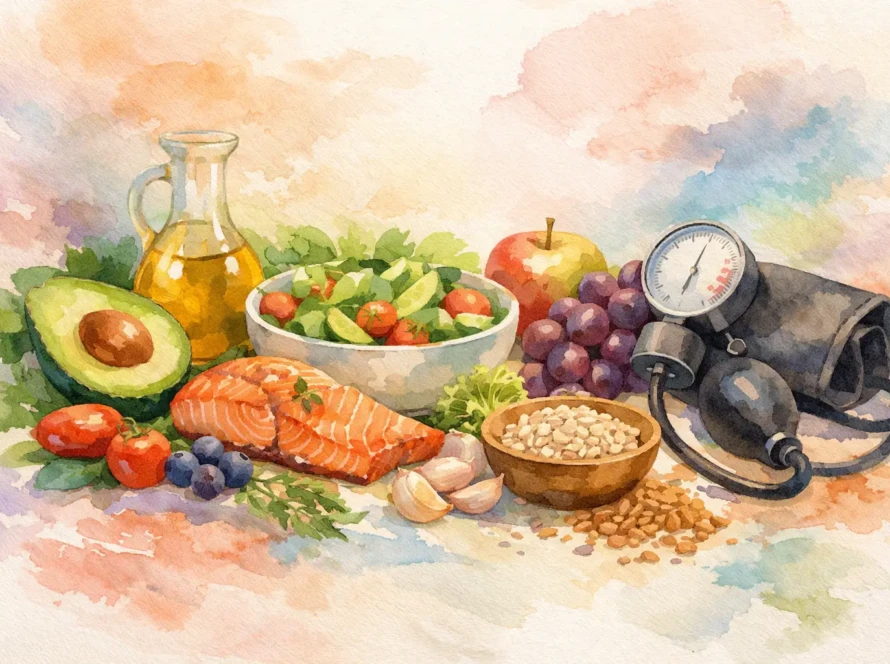
Balanced meals are about composition and consistency. This approach builds regular meals around the right mix of protein, fibre, healthy fats and carbohydrates, with portion sizes shaped around your lifestyle and goals. Instead of limiting the clock, it aims to create steady nourishment across the day.
That distinction matters. Someone can follow intermittent fasting and still eat poorly within the eating window. In the same way, someone can eat balanced meals but consume more than their body needs. Results do not come from a label alone. They come from how well the plan supports calorie control, appetite regulation, nutrition quality and daily routine.
Why intermittent fasting works for some people
For certain individuals, intermittent fasting creates structure. If someone tends to snack late at night, eat mindlessly during work hours or consume extra calories across a long day, a shorter eating window may reduce that pattern naturally. Fewer eating occasions can mean fewer opportunities to overeat.
Some people also find it mentally simpler. They would rather follow a clear routine than think about multiple meals and snacks. When the plan suits their hunger cues and work schedule, it can feel easier than constant food decisions.
There may also be metabolic benefits in some cases, especially when fasting helps with overall calorie reduction and insulin control. But these benefits are often overstated online. Intermittent fasting is not a shortcut that overrides poor food quality, lack of sleep or inactivity.
It is also not ideal for everyone. Many people feel irritable, low in energy or overly hungry, which can lead to overeating later in the day. For women, especially during pregnancy, postpartum recovery or certain hormonal conditions, a long fasting window may not feel supportive at all. The same is true for people with diabetes, acidity issues, migraines or a history of disordered eating.
Where balanced meals often have the advantage
Balanced meals tend to work well because they are practical. They help you fuel the day in a way that supports concentration, physical energy, digestion and appetite control. A breakfast with protein and fibre, a sensible lunch, and a well-portioned dinner can prevent the extremes that often trigger cravings later.
This approach is also easier to tailor. A working professional in Bangalore with long commutes will need a different plan from a new mother in Delhi, a teenager involved in sport, or someone managing thyroid concerns in Mumbai. Balanced nutrition gives more room to adjust meal frequency, portioning and food choices without making the person feel like they have failed if life gets in the way.
For people with fitness goals, balanced meals often support performance and recovery better than long fasting windows. If you exercise in the morning, train intensely or need to preserve muscle while losing fat, regular protein intake becomes important. That is harder to manage if meals are squeezed into a short window and food choices become rushed.
Another major advantage is sustainability. Extreme hunger is rarely a strong foundation for long-term progress. Most people do better when they can eat in a calm, structured, repeatable way.
Weight loss: which one gives better results?
This is usually the real question. And the answer is less dramatic than social media makes it sound.
Weight loss happens when your body uses more energy than it takes in over time. Both intermittent fasting and balanced meals can help create that result. Neither is magic. The method matters less than whether you can maintain it consistently and meet your nutritional needs.
Intermittent fasting may help some people lose weight because it cuts down random eating and late-night calories. Balanced meals may help others lose weight because regular eating prevents rebound hunger and emotional overeating. If one approach makes you feel in control and the other makes you feel obsessed with food, that difference matters more than trend-driven claims.
In practice, many successful weight loss journeys rely on balanced meals even when a mild fasting routine is included. For example, finishing dinner earlier and avoiding unnecessary late snacking can help, without forcing a strict fasting protocol that makes the day harder.
Intermittent fasting vs balanced meals for different lifestyles
This is where personalisation becomes essential.
If you are a busy office worker who skips breakfast naturally and feels fine until midday, a carefully planned fasting window may work. But what you eat afterwards still needs to be balanced. A large takeaway lunch, sugary coffee and an oversized dinner will not support the results you want.
If you are someone who gets headaches, acidity or low mood when meals are delayed, balanced meals are likely the better fit. Your body is telling you that steady intake supports you better.
For women during pregnancy or breastfeeding, fasting is generally not the place to experiment without professional guidance. Nutrient timing, energy intake and blood sugar stability matter more than diet trends.
For people managing diabetes, high blood pressure, PCOS, thyroid conditions or digestive concerns, the decision should be even more careful. Meal timing can affect medication, blood glucose response, hunger and energy. A generic online fasting plan is not the same as a strategy built around your actual health needs.
Children, teenagers and older adults also need extra thought. Growth, recovery, appetite changes and nutrient demands all matter. Balanced meals are usually the safer and more adaptable foundation.
What actually makes either approach successful
The strongest results usually come from a few habits that sit underneath any eating pattern. Protein with meals helps fullness and muscle maintenance. Fibre from vegetables, fruit, pulses and wholegrains supports digestion and appetite regulation. Planned meals reduce impulsive choices. Sleep, stress and movement shape hunger more than most people realise.
That is why a rigid plan can fail even if it looks perfect on paper. If your eating pattern does not suit your workday, family routine, social life and health condition, it becomes difficult to sustain. The best nutrition plan is not the strictest one. It is the one you can repeat on ordinary weekdays, not just motivated Mondays.
At LivFit Today, this is exactly where personalised support changes outcomes. Instead of forcing everyone into the same meal timing rule, the focus is on building a structure that supports real life and measurable progress.
So which should you choose?
Choose intermittent fasting if it feels natural, does not disrupt your energy, and helps you eat more mindfully without triggering extreme hunger. Choose balanced meals if you need consistency, better energy through the day, stronger workout support or a more flexible long-term approach.
And if you are unsure, start with balanced meals. For most people, this is the safer base. Once meal quality, portion control and routine are in place, you can decide whether a fasting window genuinely helps or simply sounds appealing.
The aim is not to copy what worked for someone else. The aim is to find an approach that helps you lose fat if needed, improve health markers, enjoy food and stay consistent without feeling punished by your plan. When nutrition feels realistic, results usually stop being temporary – and that is where real progress begins.