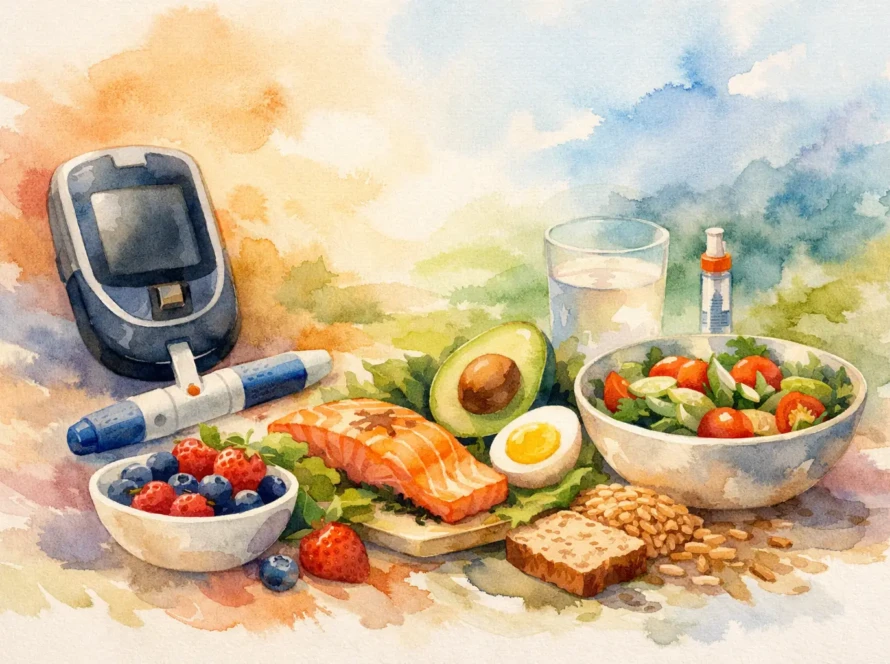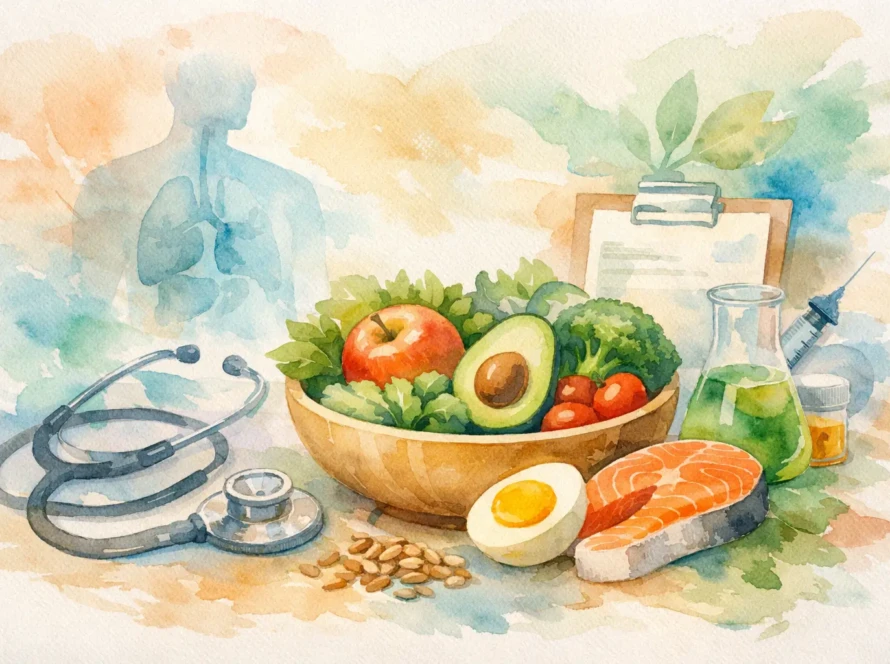
You do not need another generic diet chart pinned to your fridge for three days and forgotten by Friday. If you are searching for the best custom meal plans, what you probably want is something far more practical – a plan that fits your routine, your health goals, your food preferences and the way you actually live.
That matters because most people do not fail from lack of effort. They fail because the plan was never built for them in the first place. A working professional with long commutes, a woman managing pregnancy nutrition, a parent planning meals for children, and someone trying to control blood sugar should not all be handed the same meal pattern. Personalised nutrition is not a luxury. For many people, it is the difference between short-term motivation and lasting results.
What makes the best custom meal plans actually work
The best plans are not the strictest. They are the most sustainable.
A good custom meal plan takes your daily life seriously. That includes your waking hours, work schedule, activity level, medical history, cooking ability, budget and cultural food preferences. It should also consider whether you eat most meals at home, rely on office canteens, travel often or manage family meals for more than one person.
This is where many online meal templates fall short. They may look tidy on paper, but they often ignore appetite patterns, hunger cues and practical barriers. If your plan asks you to prepare complicated meals in the middle of a busy weekday or cuts out foods you genuinely enjoy, it is unlikely to last.
The strongest plans are structured without feeling punishing. They guide portion balance, meal timing and food quality, but they still leave room for normal life. That could mean including chapati and rice in sensible portions, planning smarter restaurant choices, or building in simple snack options that prevent overeating later in the day.
The best custom meal plans are built around you
Custom means more than adding your name to a PDF. A proper personalised plan should reflect several layers of your health and lifestyle.
Your goal matters, but so does the reason behind it
Someone aiming to lose weight may also be dealing with emotional eating, poor sleep or thyroid concerns. Another person may want better fitness performance, but the real challenge is under-eating during the day and over-eating at night. The plan has to solve the real problem, not just the headline goal.
This is why the best custom meal plans start with assessment, not assumptions. Weight management, sports nutrition, pregnancy nutrition, postnatal recovery and medical nutrition all require different strategies. Even within one category, there is no single perfect formula.
Your medical history changes what is appropriate
Nutrition advice becomes more valuable when health conditions are involved. Diabetes, high blood pressure, PCOS, thyroid imbalance, digestive discomfort and raised cholesterol all affect how a meal plan should be designed.
For example, a high-protein plan may help one person feel fuller and support body composition goals, while another may need more care around kidney health, digestive tolerance or medication timing. Healthy eating should support your body, not create new problems.
Your routine decides whether the plan is realistic
This is often ignored, but it should not be. A meal plan that works beautifully for someone with flexible mornings may fail completely for a parent rushing through school drop-offs or a professional in back-to-back meetings.
The right plan should account for convenience. That may mean quick breakfasts, portable snacks, easy packed lunches and realistic dinner options. If the plan cannot survive a busy Tuesday, it is not a strong plan.
Red flags to avoid when comparing custom meal plans
Not every personalised plan is genuinely personalised. Some are simply standard calorie charts dressed up as individual advice.
If a meal plan feels overly restrictive from day one, be cautious. Extreme cutting often produces fast enthusiasm and poor follow-through. The same goes for plans that ban whole food groups without a clear medical reason, rely heavily on expensive speciality products, or promise dramatic transformation without understanding your history.
Another warning sign is a plan with no flexibility. Life includes work dinners, family functions, weekend meals out and low-energy days. Good nutrition planning should prepare you for real situations, not pretend they do not exist.
It is also worth questioning plans that focus only on scale weight. Better nutrition can improve energy, digestion, workout recovery, sleep quality and consistency with eating habits. If those factors are ignored, the plan may be too narrow to create lasting change.
Best custom meal plans for common goals
The phrase best custom meal plans means different things depending on the outcome you want.
For weight loss
A strong weight loss plan should create a calorie deficit without making you feel deprived all day. That usually means balanced meals with enough protein, fibre and meal volume to support fullness. It should also include strategies for cravings, social eating and consistency across weekends.
The fastest plan is not always the best one. If you lose weight through rigid restriction, there is a high chance of regaining it when normal life returns. Sustainable fat loss comes from habits you can repeat.
For fitness and sports performance
If you train regularly, under-fuelling is a common mistake. Many people try to lose fat while also increasing training intensity, but they do not eat enough to recover properly. A better plan balances performance nutrition with body composition goals.
That could include smarter pre-workout meals, sufficient post-workout protein and carbohydrate timing that supports training rather than working against it. Fitness nutrition should improve results, not leave you drained.
For pregnancy and postpartum health
This stage needs more than general healthy eating advice. Nutrient needs shift, appetite changes and digestion may become more sensitive. Meal plans should support energy, iron intake, protein, calcium and overall nourishment while staying practical for day-to-day life.
Postpartum nutrition has its own challenges, especially when sleep is poor and schedules are unpredictable. The best plan here is one that supports recovery and gradual progress without pressure to follow a rigid diet.
For medical conditions
Medical nutrition should never feel generic. People managing diabetes, thyroid issues, hypertension or PCOS often need meal planning that supports both symptom control and realistic adherence.
This is where expert guidance becomes especially useful. You may need changes in meal timing, carbohydrate quality, sodium intake or portion distribution. Small adjustments can make a meaningful difference when they are tailored well.
How to tell if a plan will be sustainable after week one
A meal plan does not need to feel exciting every day. It needs to feel doable.
Ask yourself whether the meals use foods you genuinely eat, whether preparation time matches your schedule and whether you can follow the structure during a normal workweek. If everything depends on perfect planning, the system is too fragile.
You should also be able to enjoy food while making progress. The best custom meal plans do not create fear around everyday meals. They teach balance, awareness and consistency. That is very different from being told that one biscuit has ruined your progress or that eating out means starting over.
Sustainability also depends on follow-up. Many people do well when they begin a plan, then struggle once motivation dips or routine changes. Review and adjustment matter. A meal plan should evolve with your progress, your challenges and your body’s response.
Why expert support often makes the difference
There is plenty of nutrition advice online, but information is not the same as guidance. Most people are not short on diet tips. They are short on clarity.
Working with a qualified nutrition professional can help you connect the dots between your habits, symptoms and goals. Instead of guessing whether low energy, poor progress or constant hunger is normal, you get a plan designed with intention.
This is particularly helpful if you have already tried calorie counting, detox diets or random meal charts without success. The issue may not be discipline. It may simply be that your plan was never specific enough for your needs. A service-led approach, such as the one offered by LivFit Today, focuses on measurable progress without forcing you into unrealistic rules.
Choosing the right meal plan starts with honesty
The best results often begin with a simple shift: stop choosing plans based on what sounds impressive, and choose one based on what fits your life.
That means being honest about your schedule, your preferences, your struggles and your health history. If you hate elaborate cooking, say so. If evenings are your weak point, build around that. If you need structure, ask for it. If you need flexibility, that matters too.
The best custom meal plans are not the ones that look the strictest on paper. They are the ones that help you eat better, feel better and stay consistent long enough to see real change. Start there, and progress becomes far more achievable.