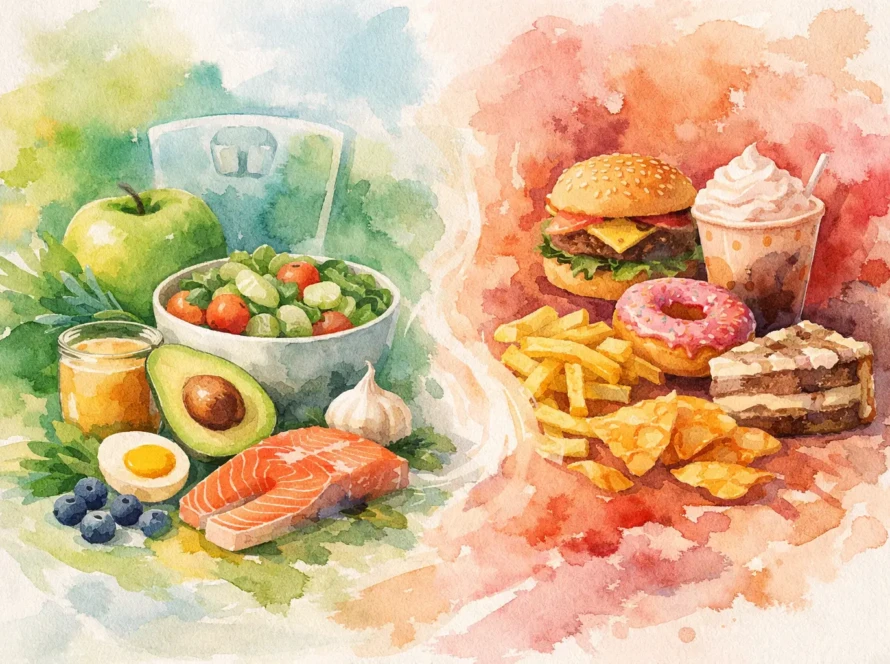
You have eaten breakfast, reached for a biscuit at 11 am, had lunch, and still find yourself thinking about food by mid-afternoon. If you are asking, “why am I hungry always?”, the answer is rarely a lack of willpower. Constant hunger can be your body’s response to too little food, unbalanced meals, poor sleep, stress, an intense workout routine, or sometimes an underlying health concern.
The goal is not to ignore hunger or force yourself through it. It is to understand what your body may be asking for, then build meals and habits that keep you satisfied for longer.
Why am I hungry always, even after eating?
A meal can look filling but still leave you hungry if it lacks the nutrients that support fullness. This is common with rushed breakfasts, light lunches, restrictive weight-loss plans, and meals built mostly around refined carbohydrates.
For example, tea and toast may provide a quick lift, but it may not carry you comfortably to lunch. Similarly, a large bowl of plain cereal, white rice with very little protein, or a salad without enough protein and healthy fats can leave your appetite switched on soon afterwards.
Your meals may be low in protein
Protein is one of the most satisfying nutrients because it takes longer to digest and helps steady appetite between meals. If breakfast is only fruit or toast, or lunch is mainly rice, roti or noodles with a small portion of vegetables, hunger may return quickly.
Try to include a clear protein source at each main meal. Depending on your preferences, this could be eggs, Greek yoghurt, paneer, tofu, dal, chana, rajma, fish, chicken, lean meat, milk or curd. The right portion depends on your body size, activity, health history and goals, but the principle is simple: do not let protein become an afterthought.
You may need more fibre and healthy fats
Fibre adds bulk to meals and slows digestion. Vegetables, fruit, oats, wholegrains, beans, lentils, nuts and seeds can all help you feel fuller without relying on extreme portion control. Healthy fats, such as those in nuts, seeds, avocado, olive oil and oily fish, also make meals more satisfying.
This does not mean adding large quantities of calorie-dense foods without thought. It means building a balanced plate. A bowl of oats with milk, fruit and seeds will generally satisfy you for longer than sweetened cereal alone. Dal with vegetables, salad, curd and a sensible serving of rice or roti is often more sustaining than a carbohydrate-heavy meal eaten in a hurry.
You may be eating too little overall
Many people begin a weight-loss plan by cutting portions sharply, skipping meals or removing entire food groups. Hunger then feels like failure, when it is often a predictable physical response to under-fuelling.
A calorie deficit may be needed for weight loss, but it should not leave you constantly preoccupied with food, exhausted or prone to late-night overeating. Sustainable fat loss comes from an approach you can continue, not from surviving on tiny meals during the week and feeling out of control at the weekend.
If you exercise regularly, commute long hours, are breastfeeding, or are recovering from illness, your energy needs may be higher than you realise. What worked for a friend, colleague or social media influencer may not work for you.
Hunger is not always about the last meal
Your appetite is influenced by far more than what was on your plate. Looking at your daily routine can reveal patterns that a strict food rule will not fix.
Poor sleep can increase appetite
After a short or disturbed night, hunger and cravings often feel stronger, especially for sugary or salty convenience foods. Sleep affects hormones involved in appetite regulation and makes it harder to pause before reaching for a quick snack.
You do not need a perfect bedtime routine to see a difference. Start with a realistic target: regular sleep and wake times where possible, less scrolling just before bed, and a proper evening meal rather than going to bed overly hungry. If snoring, waking breathless or severe daytime tiredness are regular problems, speak with a healthcare professional.
Stress and emotional eating can feel exactly like hunger
A demanding deadline, family pressure, loneliness or boredom can create a strong urge to eat. This is not imaginary hunger and it is not a character flaw. Food can offer comfort, distraction and a short break when life feels overwhelming.
Physical hunger tends to build gradually and can be satisfied by a range of foods. Emotional hunger may feel sudden, urgent and focused on a particular food, often followed by guilt. There can be overlap, particularly if you have been restricting food all day.
Before eating, try a brief check-in: when did I last have a balanced meal, what am I feeling, and what would help right now? Sometimes the answer is a nourishing snack. Other times it may be water, a walk, a proper break, a conversation or rest. You do not have to earn food by proving that you are hungry enough.
Long gaps between meals can trigger overeating later
Busy professionals often rely on tea or coffee through the morning, delay lunch, then arrive home ravenous. Once hunger reaches that point, it is much harder to make choices that feel measured and satisfying.
Planning is more useful than relying on discipline. Keep practical options available for busy days, such as fruit with yoghurt, roasted chana, a handful of nuts with fruit, a paneer sandwich, boiled eggs, or leftover dal and roti. A planned snack is not a setback if it prevents extreme hunger and mindless grazing later.
Dehydration may be confusing the signal
Thirst and hunger can sometimes feel similar, particularly when you have had several cups of tea or coffee, travelled, exercised or worked in air-conditioned spaces. Drinking water regularly may help, but it is not a replacement for food when you are genuinely hungry.
A useful approach is to drink some water, then give yourself ten minutes. If you still feel hungry, choose a balanced snack or meal rather than trying to suppress the signal.
Could constant hunger be linked to a health condition?
Sometimes increased appetite has a medical explanation. Diabetes or changes in blood sugar can cause persistent hunger, especially when accompanied by increased thirst, frequent urination, tiredness, blurred vision or unexplained weight changes. Certain medicines, including some steroids and mental health medicines, can also affect appetite.
Thyroid conditions, hormonal shifts, pregnancy, breastfeeding and recovery from illness may change how hungry you feel. Anxiety and depression can alter appetite too, in either direction. If you have polycystic ovary syndrome, insulin resistance, digestive symptoms or a history of disordered eating, generic dieting advice may be particularly unhelpful.
Seek medical advice promptly if constant hunger is new, severe or paired with unexplained weight loss, intense thirst, frequent urination, shaking, faintness, ongoing fatigue or major changes in your periods. A GP can assess symptoms, medication and relevant blood tests. Nutrition support works best alongside medical care when there is a health condition to manage.
What to do when you feel hungry all the time
Start by observing your pattern for a few days without judging yourself. Notice when hunger appears, what you ate beforehand, how much sleep you had, your stress level and whether you were physically active. This information is far more useful than simply deciding that you need to eat less.
Then make one practical adjustment at a time. Add protein to breakfast. Build lunch around vegetables, protein and a satisfying carbohydrate rather than cutting carbs completely. Eat a planned afternoon snack if evenings are difficult. Aim for regular meals that suit your work schedule, rather than copying someone else’s fasting routine.
Give changes a little time. Fullness is personal: some people feel best with three meals and one snack, while others need smaller, more frequent meals. The right approach should leave you energised, able to focus, and less likely to swing between restriction and overeating.
For weight management, constant hunger is a sign that your plan may need adjusting, not that you should push harder. At LivFit Today, personalised nutrition planning considers your lifestyle, food preferences, activity levels and medical history, because a sustainable plan has to work on ordinary weekdays as well as busy ones.
Your body is not working against you when it asks for food. Listen to the pattern, nourish it with balanced meals, and get professional support if the hunger feels persistent or concerning. Feeling satisfied is not a luxury in a healthy routine. It is part of making that routine last.