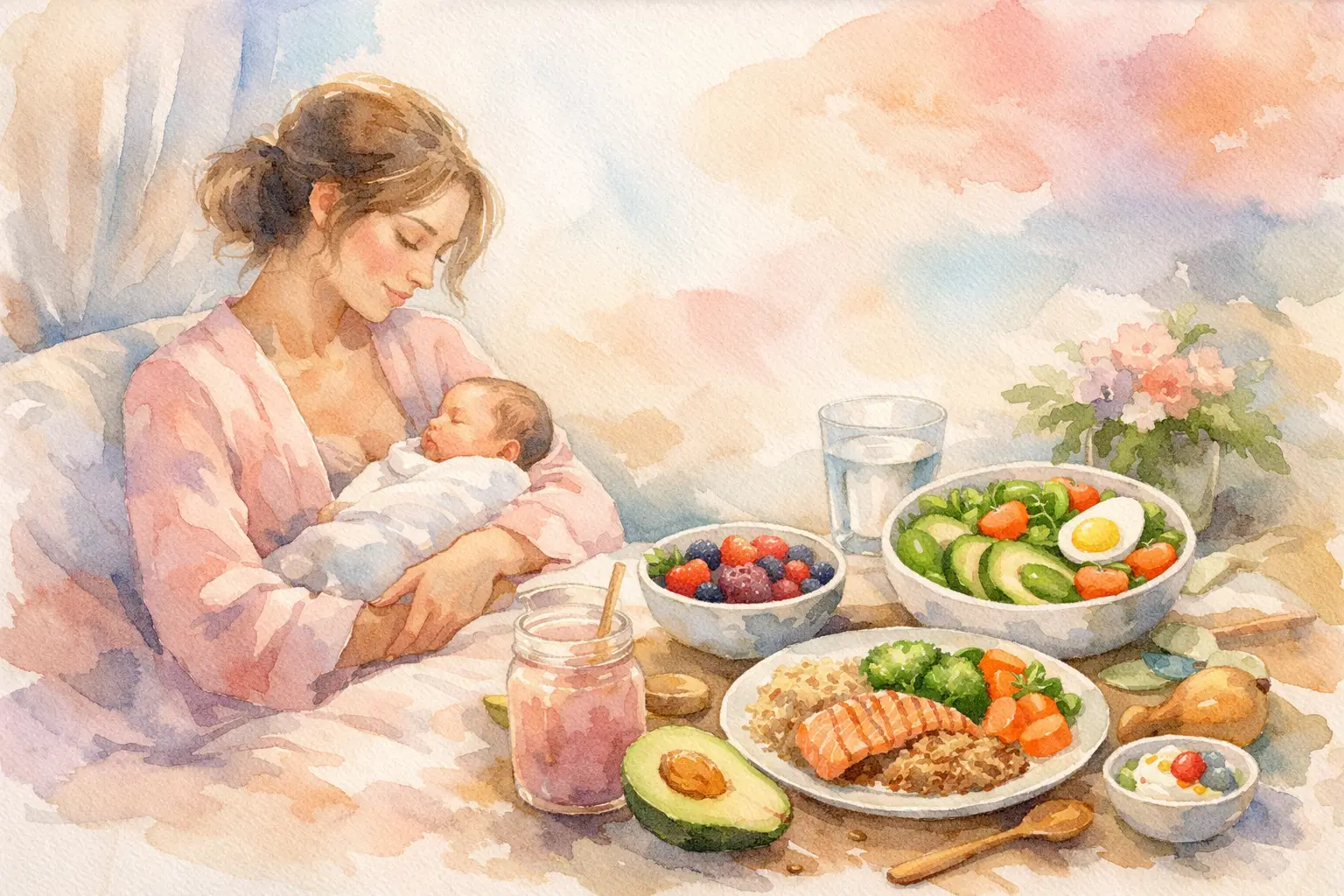
The first weeks after birth are not the time to survive on tea, biscuits and skipped meals. Your body is healing, your sleep may be broken, and feeding a newborn can make hunger feel relentless. This postpartum recovery meal plan example is designed to make everyday eating easier, with nourishing Indian foods that support energy, recovery and, where relevant, breastfeeding.
This is not a strict weight-loss diet. Postpartum nutrition should help you feel steadier, not leave you exhausted or guilty. Portions, appetite and nutritional needs vary greatly after delivery, particularly after a caesarean birth, significant blood loss or if you are breastfeeding. Think of this as a practical starting point to build meals around.
Recovery comes before calorie cutting
Many new mothers feel pressure to lose pregnancy weight quickly. But severe calorie restriction can make fatigue worse, affect mood, slow recovery and make it harder to meet your nutrient needs. If you are breastfeeding, regular meals and enough fluids also help you stay well nourished, although no single food can guarantee milk supply.
For the first several weeks, aim for a simple rhythm: three balanced meals, one or two satisfying snacks, and fluids available wherever you feed or rest. You do not need expensive “postnatal” products. Regular home-cooked foods such as dal, curd, vegetables, fruit, roti, rice, eggs, fish, chicken, nuts and seeds can do a great deal of the work.
If you have diabetes, thyroid concerns, high blood pressure, gestational diabetes history, anaemia, food allergies or a medical recovery after birth, your plan needs more individual attention. Your doctor or dietitian may also advise specific supplements, especially iron, vitamin D, vitamin B12 or calcium. Do not stop prescribed supplements simply because your meals look healthy.
Postpartum recovery meal plan example for one day
Use this day as a flexible pattern, not a rulebook. Choose the options you enjoy, adjust portions to your hunger, and use foods available in your home. If relatives are helping with meals, share this structure so support feels genuinely useful.
On waking
Start with a glass of water, warm or at room temperature. If you wake hungry after a night feed, have a small banana, two dates with a few almonds, or a glass of milk before tea. This can prevent the shaky, over-hungry feeling that often leads to reaching for whatever is quickest later.
Tea or coffee is fine in moderation for most women, but avoid using it instead of breakfast. If you are breastfeeding, keep caffeine modest and notice whether your baby seems unusually unsettled after you have several caffeinated drinks.
Breakfast: protein plus slow-release energy
Have vegetable poha with peanuts and a bowl of curd, or two besan chillas stuffed with paneer and served with mint chutney. Another good option is vegetable upma with a boiled egg or a glass of milk.
If you prefer a quicker breakfast, make overnight oats with milk or curd, chia seeds, banana and walnuts. The goal is not to make breakfast perfect. It is to include a protein source and a carbohydrate that gives you energy beyond the next hour.
Mid-morning snack: fruit with something filling
Choose one seasonal fruit such as orange, guava, apple, pear, papaya or a bowl of berries, alongside roasted chana, makhana, a handful of nuts, or yoghurt. Fruit provides fibre and vitamin C, while the second item adds staying power.
This pairing matters particularly if you are recovering from low iron. Vitamin C-rich foods can help your body absorb iron from plant sources such as dal, chana, rajma and leafy greens. Try not to have tea immediately with iron-rich meals, as it can reduce absorption.
Lunch: a complete, familiar thali
Build lunch around two rotis or a moderate serving of rice, one bowl of dal, rajma, chole or chicken curry, a generous portion of seasonal sabzi, salad or cooked vegetables, and curd or chaas. Add a teaspoon of ghee if you enjoy it, but remember that ghee is an addition, not a replacement for protein, vegetables or regular meals.
For a vegetarian meal, moong dal with palak, jeera rice, carrot-cucumber salad and curd is both comforting and balanced. For a non-vegetarian option, fish curry or lightly spiced chicken with rice, vegetables and dal can provide high-quality protein. Oily fish such as salmon, sardines or Indian mackerel, when suitable for you, also provides beneficial omega-3 fats.
Afternoon: prevent the evening energy crash
This is the time many mothers reach for a second or third cup of tea with namkeen. A more supportive choice could be masala milk with nuts, hummus with vegetable sticks, a paneer sandwich on wholegrain bread, sprouts chaat, or leftover dal and roti rolled into a quick wrap.
If you want tea and a snack, you can still have it. Add substance rather than trying to be overly strict: tea with roasted chana or a vegetable sandwich will support you better than tea alone with sugary biscuits.
Dinner: light enough to be comfortable, substantial enough to recover
Dinner can be similar to lunch, with slightly simpler preparation. Try khichdi made with moong dal, vegetables and ghee, served with curd. Or have roti with mixed vegetable sabzi and paneer bhurji, egg bhurji, dal or grilled chicken.
If acidity, constipation or poor sleep are troublesome, very heavy, fried or excessively spicy dinners may not suit you. This does not mean bland food is required. Gentle spices such as cumin, ajwain, turmeric, ginger and coriander can keep meals flavourful while being easier on a sensitive stomach.
Before bed, if hungry
A small glass of milk, yoghurt with fruit, or a banana with peanut butter can be useful, especially if you expect another night feed. Going to bed overly hungry can make disrupted sleep feel even harder.
The nutrients that make this plan work
Protein is central to tissue repair, stable energy and maintaining muscle while your body changes. Include it at every main meal through dal, beans, dairy, paneer, tofu, eggs, fish, chicken or lean meat. If you are vegetarian and appetite is low, smaller protein portions more often can feel easier than forcing one large meal.
Iron deserves attention after birth, particularly if you lost a lot of blood or were anaemic during pregnancy. Include lentils, beans, spinach, sesame seeds, meat or eggs according to your preferences, and pair plant-based iron foods with lemon, amla, guava, orange or tomatoes.
Calcium, vitamin D and healthy fats also matter. Milk, curd, paneer, fortified alternatives, ragi, sesame, nuts and seeds can contribute to calcium intake. Walnuts, chia, flaxseed and suitable fish add healthy fats. Fibre from vegetables, fruit, oats, wholegrains and pulses supports digestion, which can be especially welcome if constipation is an issue after delivery.
Make the plan realistic on low-sleep days
A nutritious plan only works when it fits newborn life. Keep easy foods visible and ready: washed fruit, roasted chana, nuts, boiled eggs, curd, cooked dal, chopped vegetables and frozen homemade parathas can save you when the day becomes unpredictable.
Cooking one extra portion at lunch for dinner is not cutting corners. It is smart recovery planning. Ask family members to help with practical tasks such as washing vegetables, making dal, stocking curd and fruit, or bringing you water during feeds. “Eat well” is helpful advice; having a prepared meal in the kitchen is better support.
It is also normal for appetite to vary. Some days you may feel hungrier, especially while breastfeeding. Other days, stress, pain or fatigue can reduce your appetite. When large meals feel difficult, use smaller meals with nourishing additions: add paneer to poha, curd to rice, peanuts to upma, or an egg alongside toast.
When a personalised postpartum plan is worth it
A generic plan cannot account for every recovery. You may need a tailored approach if you are struggling with breastfeeding hunger, persistent constipation, anaemia, diabetes, thyroid changes, unwanted rapid weight loss, emotional eating or a desire to lose weight safely after your recovery is established.
At LivFit Today, personalised nutrition support considers your medical history, delivery recovery, food preferences, schedule and family meals. The aim is not starvation or a temporary diet chart. It is a practical way of eating that helps you regain strength and feel confident in your body again.
Your plate does not need to look perfect while you are caring for a newborn. Start with the next meal: add a protein source, include something colourful, drink some water, and let consistent nourishment support the recovery you are already doing every day.