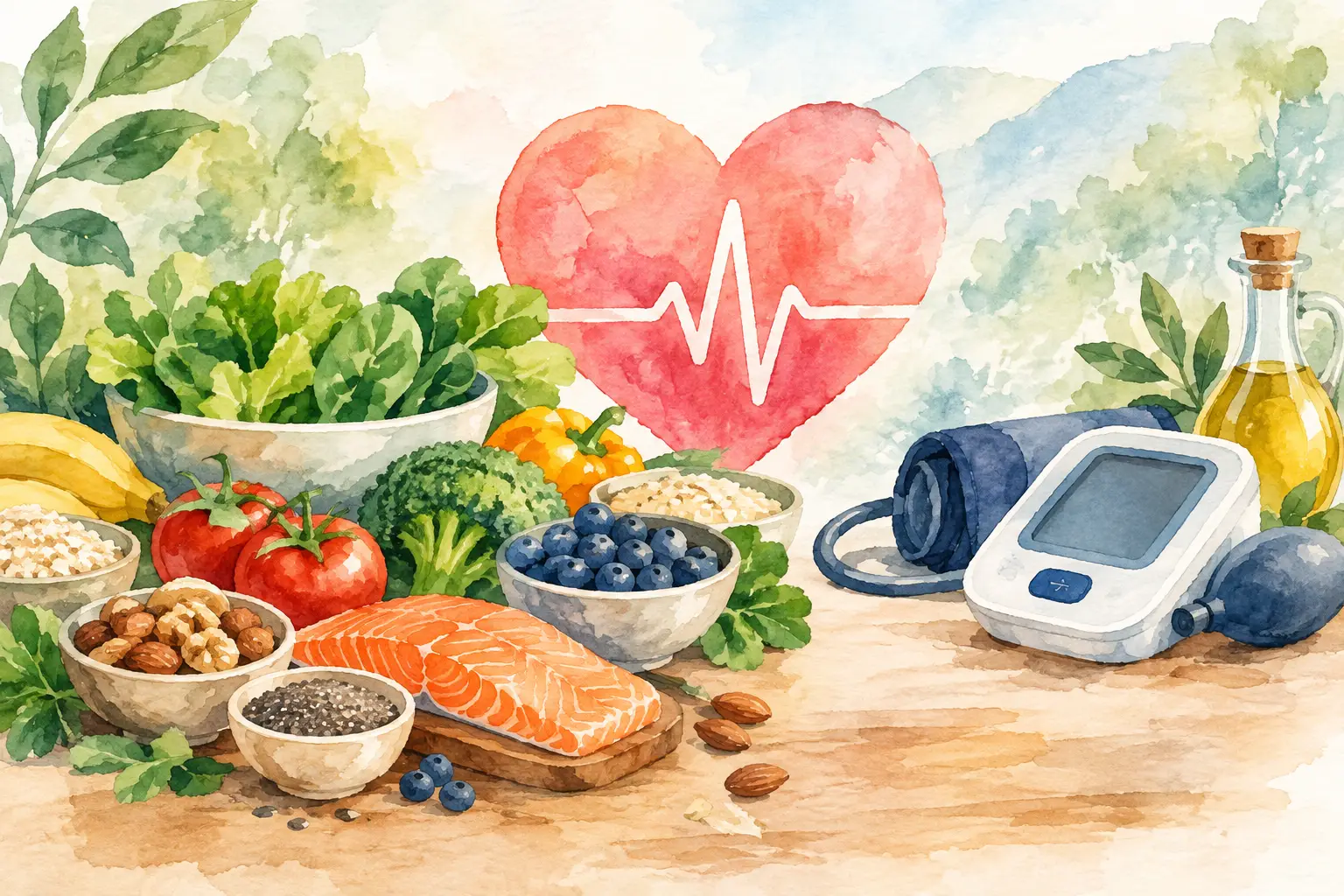
A blood pressure reading can feel like a warning light: easy to ignore when you feel fine, but too important to leave unchecked. So, can diet change blood pressure? For many people, yes. The meals, snacks and drinks you choose can help support healthier readings over time, particularly alongside prescribed treatment, regular movement and good sleep.
This does not mean surviving on salads or cutting out every food you enjoy. It means making practical changes that reduce the pressure on your heart and blood vessels while fitting around work, family meals and real life.
Can diet change blood pressure in a meaningful way?
Food affects blood pressure in several ways. A high-salt diet can make the body hold on to more fluid, which may raise blood pressure. Diets low in fibre, potassium-rich foods and healthy fats can also make it harder to protect long-term heart health. Alcohol, frequent sugary drinks, poor sleep and carrying excess weight may add to the problem.
The good news is that small, consistent changes can matter. Losing even a modest amount of weight, if weight loss is appropriate for you, may improve blood pressure. Swapping heavily processed foods for more fresh, home-cooked meals can also reduce salt without making every meal feel restrictive.
Diet is not a replacement for medication. If you have been prescribed tablets for high blood pressure, do not stop or alter them without speaking to your doctor. Nutrition works best as a powerful part of your wider health plan, not as a quick fix.
The food choices that support healthier readings
Start with salt, but do not stop there
Salt is often the first dietary factor to address, and for good reason. Many people consume far more than they realise, not just from the salt shaker but from packaged breads, biscuits, crisps, sauces, pickles, ready meals, instant noodles and restaurant food.
Rather than making food bland, build flavour with lemon, ginger, garlic, black pepper, coriander, mint, cumin, mustard seeds, chilli and herbs. When buying packaged foods, compare labels and choose lower-salt options where possible. If you enjoy pickles, papad or savoury namkeen, keep them as occasional portions rather than everyday extras.
Fill more of your plate with plants
Fruit, vegetables, pulses, wholegrains, nuts and seeds provide fibre and minerals that support heart health. Potassium is especially useful because it helps balance the effects of sodium in the body. Bananas, oranges, tomatoes, spinach, potatoes, beans, yoghurt and coconut water can all contribute.
However, potassium is not suitable for everyone in large amounts. People with kidney disease or those taking certain medicines may need individual guidance. This is exactly why a generic online meal plan is not always enough when blood pressure and medical history are involved.
Aim for colour and variety rather than chasing one “superfood”. Add vegetables to poha, upma, omelettes, dal, curries and sandwiches. Have fruit with breakfast or as an afternoon snack. Choose brown rice, oats, wholewheat roti or millets more often when they suit your digestion and preferences.
Choose protein and fats wisely
Protein helps meals feel satisfying, which can make it easier to reduce frequent snacking and manage weight. Good options include dals, chana, rajma, beans, paneer in sensible portions, eggs, fish, chicken, yoghurt and tofu.
For fats, prioritise nuts, seeds, olives, avocado and modest amounts of vegetable oils over repeated fried foods and foods high in trans fats. A handful of unsalted nuts can be a far better snack than crisps, but portions still matter. Healthy foods can contribute excess calories when eaten without awareness.
A blood-pressure-friendly day does not need to be complicated
A practical routine might begin with oats and yoghurt topped with fruit, or vegetable poha with a side of curd. Lunch could be dal, a portion of brown rice or roti, a generous vegetable sabzi and salad. For dinner, try grilled fish, tofu or chicken with vegetables and a wholegrain carbohydrate.
The details can change according to your culture, budget and schedule. A busy professional may need portable options such as fruit, unsalted nuts, roasted chana or yoghurt. Someone managing diabetes will need more careful carbohydrate distribution. During pregnancy, blood pressure changes require closer medical monitoring and nutrition should be tailored accordingly.
The goal is not to eat perfectly. The goal is to make your usual meals work harder for your health.
Habits that can quietly push blood pressure up
Diet is most effective when it is supported by daily habits. Restaurant meals several times a week, late-night snacking, alcohol-heavy weekends and long periods of sitting can make healthy intentions harder to maintain.
Alcohol deserves an honest look. It may be part of social life, but regular or high intake can raise blood pressure and make weight management more difficult. Reducing how often and how much you drink is often more realistic than promising to stop forever and then returning to old habits.
Caffeine affects people differently. Some people notice a temporary rise in blood pressure after strong tea, coffee or energy drinks, especially if they are sensitive to caffeine. You do not necessarily need to avoid tea or coffee, but observe how you feel, avoid energy drinks, and do not use caffeine to cover up chronic fatigue.
Movement, stress and sleep also belong in the conversation. A 20 to 30-minute brisk walk most days, regular sleep timings and a few minutes to decompress can support the benefits of a healthier diet. These are not dramatic changes, but they are the kind that last.
When diet alone may not be enough
High blood pressure is often called a silent condition because it may cause no noticeable symptoms. That is why regular checks matter, particularly if you have a family history of hypertension, diabetes, kidney disease, thyroid concerns, obesity or a stressful, sedentary lifestyle.
Seek urgent medical care for very high readings or symptoms such as chest pain, severe headache, breathlessness, weakness, confusion or changes in vision. Do not wait for diet changes to take effect in these situations.
Some people need medication even when they eat well and exercise. Genetics, age, pregnancy-related conditions, kidney health and other factors can all affect blood pressure. Needing medication is not a personal failure. It is a tool that protects your health, while your food and lifestyle choices continue to support the bigger picture.
Make changes you can maintain
The most useful plan is one you can follow on a demanding Tuesday, not only on a calm Sunday. Start by identifying your biggest source of excess salt or processed food. For one person, it may be daily takeaway lunches; for another, it may be packaged snacks at the office or salty foods at dinner.
Choose one or two changes for the next fortnight. You could cook one extra meal at home each week, replace crisps with roasted chana, add vegetables to lunch daily, or keep the salt shaker off the table. Once that feels normal, build on it.
At LivFit Today, personalised nutrition support can help turn medical advice into meals you genuinely enjoy. A plan should take account of your blood pressure readings, medicines, work hours, food preferences, cooking routine and wider goals, whether that is weight management, diabetes support or better energy.
Can I eat salt if I have high blood pressure?
Yes, but the amount and your overall eating pattern matter. Most people benefit from reducing high-salt packaged and restaurant foods rather than eliminating salt completely. Your clinician can advise you if you need a more specific limit.
Which fruit lowers blood pressure quickly?
No single fruit will lower blood pressure instantly. Fruit such as bananas, oranges and berries can support a balanced diet over time, especially when they replace high-salt or high-sugar snacks. Consistency matters more than one food.
How long does it take for diet changes to affect blood pressure?
Some people notice improvements within a few weeks, particularly after reducing salt and alcohol or losing weight. Results vary, so monitor your readings as advised by your healthcare professional rather than relying on how you feel.
A healthier blood pressure pattern is built meal by meal, not through punishment or panic. Begin with the change that feels most achievable, repeat it until it becomes routine, and let steady progress do the important work.