A strict plan can look appealing when you want the weighing scale to move quickly. But the keto diet versus Mediterranean diet is not simply a choice between two meal plans. It is a decision about how you want to eat on busy workdays, at family dinners, while travelling and for the months after you reach your goal weight.
Both approaches can support weight management and better health markers when planned well. They differ sharply in how they handle carbohydrates, fats, flexibility and long-term routine. The right choice depends on your health history, food preferences, activity level and the habits you can honestly maintain without feeling constantly deprived.
What Each Eating Pattern Looks Like
The ketogenic diet
A ketogenic, or keto, diet is very low in carbohydrate and high in fat. Most versions limit carbohydrates to around 20 to 50 grams a day, which is much lower than a typical Indian eating pattern. The goal is to encourage ketosis, a metabolic state in which the body relies more heavily on fat and ketones for fuel.
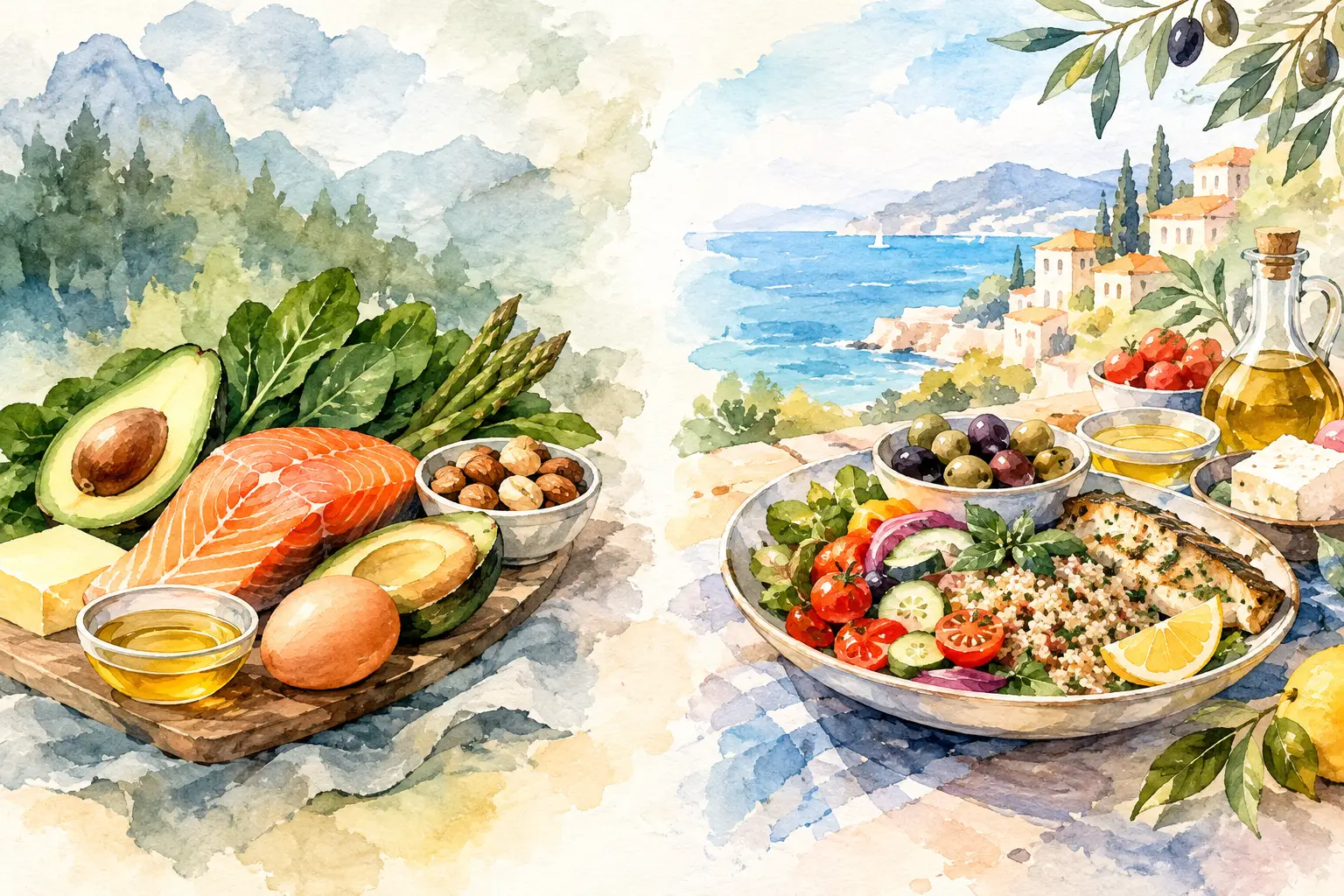
Meals may include eggs, paneer, fish, chicken, tofu, non-starchy vegetables, nuts, seeds, cheese, avocado and oils. Rice, roti, bread, potatoes, most fruits, dals, sweets and sugary drinks are either avoided or kept very limited. This can produce quick early weight loss, partly because the body sheds stored water as carbohydrate intake falls.
Keto is structured and clear, which some people find helpful. Others find that the restrictions make social meals, office lunches and family cooking harder to manage. A diet that works on Monday but falls apart every weekend is rarely the best route to lasting results.
The Mediterranean diet
The Mediterranean diet is a flexible pattern built around vegetables, fruits, beans, lentils, wholegrains, nuts, seeds, olive oil, fish and moderate amounts of dairy or poultry. Red and processed meats, refined snacks and added sugars are eaten less often rather than being completely banned.
It is not about copying another country’s menu. In an Indian kitchen, the same principles can work with vegetables, seasonal fruit, chana, rajma, moong, oats, millets, wholewheat roti, brown or hand-pounded rice, curd, fish, nuts and measured portions of mustard, groundnut or olive oil. The focus is food quality, balance and consistency.
Because it includes a wider range of foods, this approach often feels more practical for families. It also leaves room for cultural favourites and occasional celebrations without turning one meal into a reason to abandon your plan.
Keto Diet Versus Mediterranean Diet for Results
Weight loss: speed versus staying power
Keto can lead to a noticeable initial drop in weight, especially for people who previously ate large amounts of refined carbohydrates and sugary foods. Its high protein and fat content may reduce hunger for some people, helping them eat less without constant calorie counting.
However, faster is not always better. Once carbohydrates return, some water weight commonly returns too. If keto feels too restrictive, people may swing between strict dieting and overeating, which can be frustrating and difficult for confidence.
The Mediterranean diet usually produces slower, steadier progress because it does not rely on cutting out major food groups. Portion awareness still matters. Olive oil, nuts, cheese and healthy snacks are nutritious, but they are not calorie-free. For many people, a balanced plan that creates a modest calorie deficit is more sustainable than a highly restrictive plan followed for a few weeks.
Blood sugar, cholesterol and heart health
Reducing refined carbohydrates can improve blood sugar control for some people, so keto may be considered in selected cases of insulin resistance or type 2 diabetes. But medication may need adjustment as food intake changes. Anyone taking insulin or glucose-lowering medicines should not start a very low-carbohydrate diet without medical and dietetic supervision.
Keto’s effect on cholesterol varies greatly. Some people see improved triglycerides, while others experience a substantial rise in LDL cholesterol, particularly when their diet is heavy in butter, ghee, cream, processed meat and cheese. The quality of fats matters as much as the quantity.
The Mediterranean pattern has stronger long-term evidence for supporting heart health. Its fibre-rich foods, unsaturated fats and emphasis on minimally processed meals can help improve cholesterol, blood pressure and blood sugar. For people with high cholesterol, hypertension, fatty liver or a family history of heart disease, this makes it a sensible starting point in many cases.
Energy, digestion and exercise
The first weeks of keto can bring headaches, fatigue, constipation, irritability or reduced exercise performance while the body adapts. Careful electrolyte intake, hydration and enough low-carbohydrate vegetables can help, but these symptoms are one reason a self-prescribed keto plan may not suit everyone.
Mediterranean-style eating provides more carbohydrate for walking, gym sessions, sport and demanding workdays. Its higher fibre intake can also support gut health and regular digestion. If you enjoy strength training, running or high-intensity workouts, having carbohydrates around training may make performance and recovery easier.
Who May Benefit From Each Approach?
Keto may suit an adult who prefers savoury, protein-based meals, can plan carefully and has a specific reason to reduce carbohydrates under professional guidance. It may be used therapeutically in certain medical settings, but that does not mean it is automatically the best weight-loss diet for everyone.
The Mediterranean diet may suit people who want a family-friendly routine, have frequent work meals, enjoy fruit and grains, or are managing heart health concerns. It is also often easier to adapt during pregnancy planning, postpartum life and busy parenting years, when extreme restriction can add unnecessary pressure.
Neither plan should be copied blindly from social media. Keto needs extra caution for people with kidney disease, liver disease, a history of eating disorders, pregnancy or breastfeeding, and those using diabetes medication. Children and teenagers should not follow restrictive diets unless a qualified healthcare professional has recommended and monitored them.
If you have PCOS, thyroid concerns, diabetes, high blood pressure or recurring digestive symptoms, the answer is rarely a generic diet chart. Your medication, lab reports, sleep, stress, meal timings and activity all influence what will work safely.
Choose the Plan You Can Live With
Before choosing between keto and Mediterranean eating, ask practical questions. Can you follow it during a late evening at work? Can you eat it while travelling? Can you prepare it without making separate meals for everyone at home? Most importantly, can you continue it after the first burst of motivation fades?
A useful middle path is often possible. You might reduce biscuits, sweetened drinks, white bread and oversized rice portions without eliminating all carbohydrates. You can build meals around vegetables and protein, include sensible servings of wholegrains or dals, and use fats with purpose rather than fear. This approach can support fat loss while keeping meals enjoyable.
At LivFit Today, nutrition planning begins with your real life, not a one-size-fits-all rulebook. A personalised approach can decide whether lower carbohydrates, Mediterranean principles or a balanced combination best supports your goals and health markers.
The best diet is not the one that looks most impressive online. It is the one that helps you feel nourished, keeps your health moving in the right direction and still leaves space for a life you enjoy.