A high blood glucose reading after a familiar breakfast can make food feel frightening. Many diabetes diet experiences begin with a person cutting out rice, fruit, tea, snacks and every food they enjoy, only to find the plan impossible to continue by the end of the week. The better experience is not about eating less and worrying more. It is about learning which meals, portions and routines help your body feel steady while still fitting work, family meals and real life.
For people living with type 1, type 2 or gestational diabetes, nutrition can make a meaningful difference to blood glucose management. Yet there is no single diabetes diet that works for everyone. Medication, activity levels, sleep, stress, cultural food preferences, kidney health, weight goals and daily schedules all shape what a practical plan should look like.
What real diabetes diet experiences can teach us
The most useful lesson people share is that perfection is rarely the answer. A plan based on foods that are unfamiliar, expensive or difficult to prepare may look good on paper, but it often fails in a busy week. Sustainable progress comes from repeatable choices: a filling breakfast, sensible portions at lunch, planned snacks when needed and a reliable way to manage restaurant meals or celebrations.
Many people notice that removing all carbohydrates makes them tired, irritable or more likely to overeat later. Carbohydrates are not automatically the problem. They raise blood glucose, but the amount, type and what they are eaten with matter. Pairing a measured portion of roti, rice, oats or millet with protein, vegetables and healthy fats generally has a different effect from eating a large bowl of refined carbohydrate on its own.
Others find that the timing of meals matters as much as the meal itself. Skipping breakfast, working through lunch and then eating heavily late at night can create large swings in hunger and glucose. A more regular eating rhythm often feels less restrictive because it prevents the extreme hunger that leads to rushed decisions.
The goal is steadier, not stricter
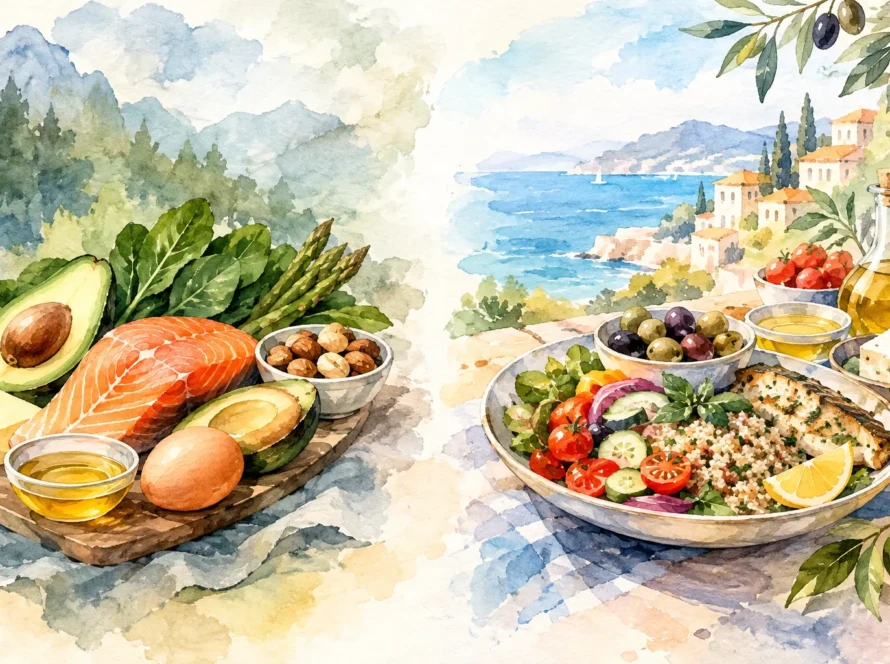
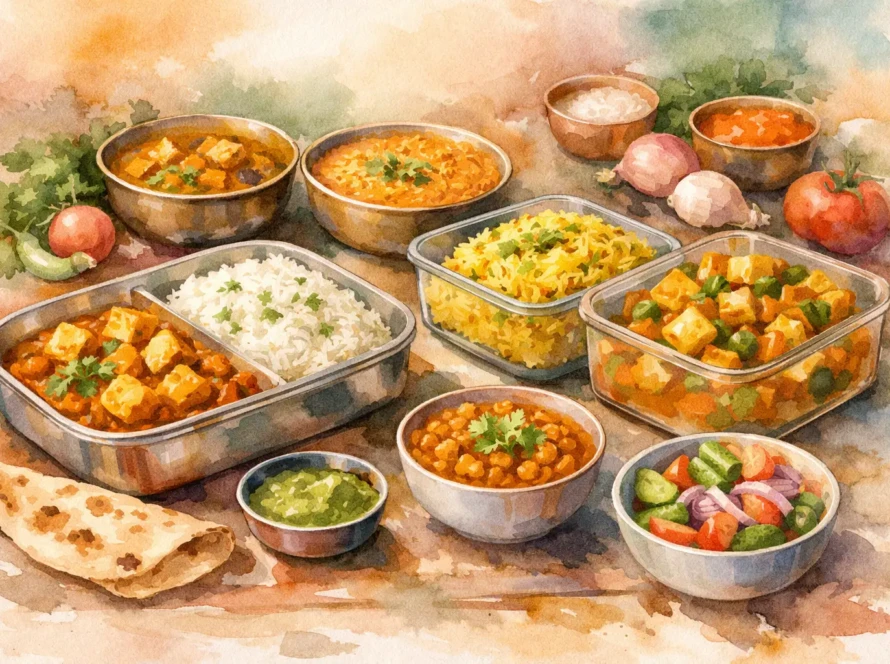
A diabetes-friendly plate does not need to be bland. It should simply be structured. Half the plate can usually come from non-starchy vegetables such as spinach, beans, cauliflower, cucumber, okra or mixed salad. Add a source of protein, such as dal, curd, eggs, fish, chicken, paneer, tofu or lean meat, then include an appropriate portion of carbohydrate.
The exact portion depends on the person. Someone taking insulin, exercising regularly or trying to gain weight may need a different carbohydrate target from someone with insulin resistance and a sedentary routine. This is why copying a friend’s meal plan or following social media rules can be misleading.
Common challenges in diabetes diet experiences
A frequent challenge is the belief that a diagnosis means giving up favourite foods forever. That mindset can turn every meal into a test of willpower. In reality, a dietitian can help you make room for foods you enjoy by adjusting frequency, quantity and the rest of the meal. A small serving of dessert after a balanced meal is usually a more workable choice than deprivation followed by overeating.
Another challenge is confusing healthy foods with foods that suit blood glucose goals. Honey, jaggery, fruit juice and brown sugar may sound healthier than white sugar, but they can still raise blood glucose. Similarly, packaged products labelled “diabetic” may be high in calories, saturated fat or refined ingredients. Reading labels can help, but regular home-cooked meals made with simple ingredients are often easier to manage.
Work routines can make consistency difficult. Long commutes, meetings, travel and late evenings often lead to biscuits with tea, skipped meals or takeaway dinners. The practical answer is preparation, not unrealistic discipline. Keeping roasted chana, nuts, plain yoghurt, boiled eggs, fruit or a homemade sandwich available can reduce the need for last-minute choices.
Family expectations matter too. If one person is asked to eat separately from everyone else, the diet can feel isolating. Small changes to family meals are usually more effective: use less oil, add more vegetables, serve salads and protein dishes first, and keep carbohydrate portions individual rather than cooking an entirely separate menu.
Blood glucose patterns provide useful feedback
Glucose monitoring can turn uncertainty into useful information. If your healthcare team has advised monitoring, record readings alongside meals, sleep, exercise and stress levels. You may begin to see patterns, such as higher readings after a large late dinner or better control on days when you walk after lunch.
One reading does not define your progress. Blood glucose can be affected by illness, poor sleep, stress, hormones and medication changes as well as food. Look for trends over time and discuss them with your doctor or dietitian. Never stop or alter diabetes medication without medical advice, even if your readings improve.
Building a diet that fits your routine
Start with the meal that feels hardest to manage. For many working adults, it is breakfast. Rather than relying on sweetened cereal, bakery items or only tea, try options that combine protein and fibre. Vegetable omelette with one or two small rotis, besan chilla with curd, oats with nuts and seeds, or idli with sambar can be satisfying choices. The best breakfast is one you can prepare and repeat without stress.
At lunch and dinner, avoid judging a meal only by whether it contains rice or roti. Consider the full plate. A modest serving of rice with dal, grilled fish and vegetables may be more balanced than several rotis with a rich gravy and little protein. Slowing down while eating and serving food onto a plate, rather than eating directly from a packet or shared dish, also makes portions easier to notice.
Movement is part of the experience as well. A 10 to 15-minute walk after meals can support glucose management for many people, particularly after lunch or dinner. It does not replace medication or a tailored exercise plan, but it is an achievable habit that can make a difference. If you have neuropathy, foot problems, heart concerns or other medical conditions, ask your clinician which activity is appropriate.
Sleep and stress deserve attention because both can influence appetite, cravings and blood glucose. When sleep is short, sugary foods and large portions can feel harder to resist. A realistic evening routine, regular hydration and a brief pause before reaching for snacks can support better decisions without turning food into a source of guilt.
When personalised support makes the difference
Diabetes management becomes more complex when it sits alongside thyroid concerns, high blood pressure, pregnancy, PCOS, kidney disease, digestive symptoms or a weight-loss goal. In these situations, generic diet charts can be too restrictive or even unsuitable. Personalised nutrition considers your medical history, test results, medication, food preferences and the meals you can genuinely prepare.
At LivFit Today, the focus is on creating maintainable eating patterns rather than starvation diets. A structured plan can help you understand portions, build balanced meals around familiar foods and make adjustments as your routine or health markers change. For people who have tried several diets without consistency, this individual guidance can replace confusion with a clear next step.
A good diabetes diet should leave room for birthdays, office lunches, travel and the occasional comfort meal. It should also make you feel nourished, not punished. Start with one manageable change this week, whether that is adding protein to breakfast, walking after dinner or replacing sugary drinks with water. Small habits, practised often, are what make healthier blood glucose management feel possible for the long term.