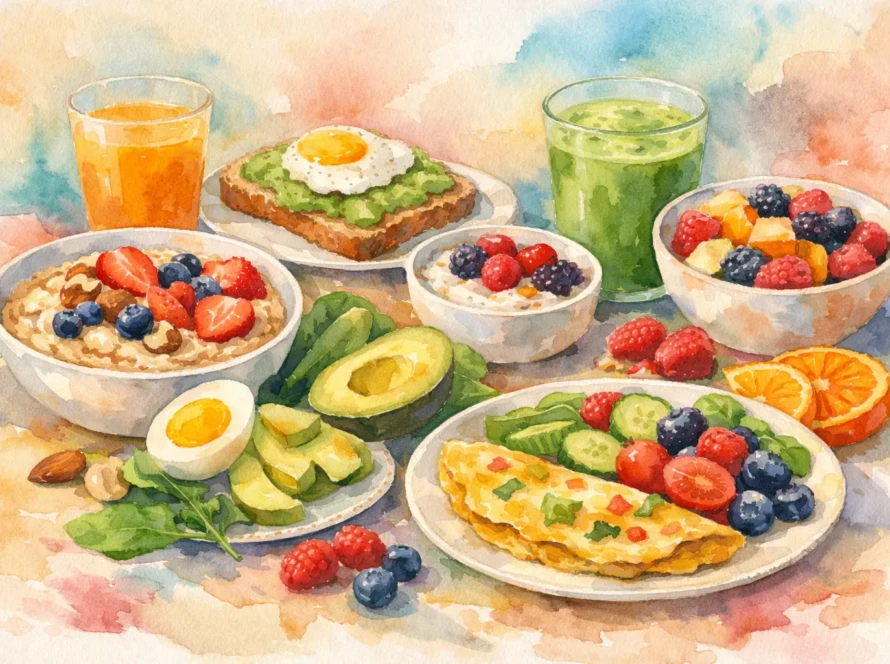
Pregnancy brings a new set of food questions almost every week. One day it is nausea that makes even the thought of breakfast difficult; another, it is heartburn, constipation, unexpected hunger or worries about weight gain. A pregnancy dietitian Mumbai mums can turn to helps replace conflicting advice with a food plan that supports both mother and baby without making everyday eating feel stressful.
The goal is not to eat perfectly or follow a restrictive diet chart. It is to make steady, nourishing choices around your medical history, trimester, appetite, work schedule, cultural food preferences and the realities of life in Mumbai. With the right guidance, home-cooked favourites, office meals and occasional meals out can all have a place.
Why pregnancy nutrition needs a personal approach
Pregnancy nutrition is not one-size-fits-all. Two women at the same stage of pregnancy may need very different advice. Someone dealing with severe nausea needs a different strategy from someone with gestational diabetes, low haemoglobin, thyroid concerns or a vegetarian diet. Pre-pregnancy weight, activity levels, blood test results, medicines and a history of PCOS can also shape nutrition needs.
This is why generic online meal plans often fall short. They may tell you to eat more protein or iron-rich foods, but not show you how to do that when you cannot tolerate dal in the first trimester, work late, travel across the city or feel full after a few bites. Personalised nutrition turns broad advice into meals you can actually eat consistently.
A sensible plan also avoids two common extremes: eating too little out of fear of gaining weight, and assuming pregnancy means eating for two. Energy needs do change, particularly later in pregnancy, but quality, regularity and appropriate portions matter far more than simply adding extra food.
What a pregnancy dietitian in Mumbai can help with
A dietitian begins by understanding the full picture. This includes your stage of pregnancy, scan and blood-test information shared by your doctor, current eating routine, food dislikes, sleep, activity, symptoms and family health history. From there, recommendations can be adapted as your pregnancy progresses.
In the first trimester, the priority may be managing nausea, tiredness and food aversions while maintaining hydration. Small, frequent meals, dry snacks before getting out of bed, simple protein additions and foods that feel easier on the stomach can make a meaningful difference. For some women, the usual healthy foods are temporarily difficult to manage. That is not failure – it is a cue to adjust the plan.
During the second and third trimesters, attention often shifts towards protein, calcium, iron, folate, fibre and steady energy. A practical Indian meal pattern might include options such as vegetable poha with curd, besan chilla with paneer, dal with roti and sabzi, khichdi with vegetables, eggs, fish where appropriate, fruit, nuts and seeds. The right choices depend on your preferences and any medical requirements, not on a rigid list of ‘good’ and ‘bad’ foods.
A pregnancy nutrition plan can also support common concerns such as constipation, acidity, swelling, cravings and low appetite. For instance, increasing fibre too quickly when you are already bloated may make you feel worse. Similarly, cutting all carbohydrates to control blood sugar is usually neither necessary nor sustainable. The better approach is to balance carbohydrates with protein, vegetables and suitable portion sizes, then review how your body and readings respond.
Supporting pregnancy health without restrictive dieting
Healthy weight gain is part of many pregnancies, and the recommended range varies according to pre-pregnancy weight and individual health factors. A dietitian can help you monitor patterns without making every weigh-in a source of anxiety. The focus should be on nourishment, symptom management and habits that support your health, rather than chasing a number on the scale.
Protein is especially valuable because it helps support growth and can keep meals more satisfying. Vegetarian sources such as dals, chana, rajma, paneer, curd, tofu and soy can be planned thoughtfully across the day. Non-vegetarian options may include eggs, chicken and fish, depending on your dietary choices and medical advice. Variety matters because no single food provides everything your body needs.
Iron deserves special attention in many Indian pregnancies. Foods such as green leafy vegetables, legumes, sesame, dates and meat where eaten can contribute, but diet alone may not correct significant deficiency. Your obstetrician may recommend supplements based on blood tests. A dietitian can help you make meals work alongside supplements, including timing tea or coffee away from iron-rich meals when advised, while your doctor manages diagnosis and treatment.
Calcium, vitamin D, iodine, folate and vitamin B12 may also need consideration. Supplements should not be selected casually based on social media recommendations. Your doctor and dietitian can help ensure your food plan and prescribed supplements complement each other.
Making the plan work in a busy Mumbai routine
The best pregnancy meal plan is one you can follow on ordinary Tuesdays, not only when you have time to prepare elaborate meals. For a working professional, that may mean packing a filling mid-morning snack, keeping roasted chana or nuts in a desk drawer, ordering simpler balanced options during long meetings, and not going six hours without food because the day became hectic.
For women living in joint families, the plan may need to fit shared meals rather than require separate cooking. Small changes are often enough: adding a protein side to breakfast, including a vegetable portion at lunch, choosing fruit or curd more often for snacks, and planning an evening meal that does not worsen reflux. Familiar foods can remain at the centre of the plate.
Food safety is another practical area where personalised guidance helps. Properly cooked eggs and meats, washed produce, safe water and careful handling of leftovers are sensible habits during pregnancy. If you are eating outside the home, choose freshly prepared food from places you trust. A dietitian can help you make realistic choices without creating unnecessary fear around every meal.
Cravings are normal too. A craving for chaat, chocolate or a favourite sweet does not mean you have ruined your nutrition. The question is how often, how much and what the rest of your day looks like. A balanced plan makes room for enjoyment while helping you avoid the cycle of restriction, overeating and guilt.
When specialist nutrition support matters most
Every pregnant woman can benefit from clear, practical nutrition advice, but specialist support becomes particularly valuable when symptoms or health conditions complicate eating. Consider booking a consultation if you are experiencing persistent nausea or vomiting, rapid or concerning weight changes, constipation that is not improving, low haemoglobin, gestational diabetes, high blood pressure, thyroid concerns, PCOS, multiple pregnancy, or a vegetarian or vegan diet that needs careful planning.
It is also useful if you feel overwhelmed by contradictory family advice. Well-meaning relatives may recommend extra ghee, avoid certain foods or insist that you eat much more than your appetite allows. Cultural traditions can be comforting, but they should sit alongside evidence-based care and your doctor’s advice. A dietitian can explain the reasoning in a way that helps you make informed decisions with confidence.
Urgent symptoms such as inability to keep fluids down, signs of dehydration, severe headaches, sudden swelling, bleeding, severe abdominal pain or reduced fetal movements need prompt medical attention. Nutrition guidance supports maternity care; it does not replace your obstetrician or hospital team.
A plan that continues after delivery
Good nutrition support does not stop at birth. Your postnatal needs may include recovery, breastfeeding nourishment, energy management, iron replenishment and gradual return to movement. Trying to lose weight immediately after delivery through starvation-style diets can affect recovery and make an already demanding period harder.
At LivFit Today, pregnancy nutrition is built around sustainable routines rather than deprivation. The aim is to help you feel supported through changing appetite, changing needs and changing schedules, while keeping meals familiar, enjoyable and achievable.
You do not need a flawless diet to support a healthy pregnancy. Start with the next meal: add nourishment where you can, listen to your symptoms, and seek individual guidance when the questions feel bigger than a generic diet chart.