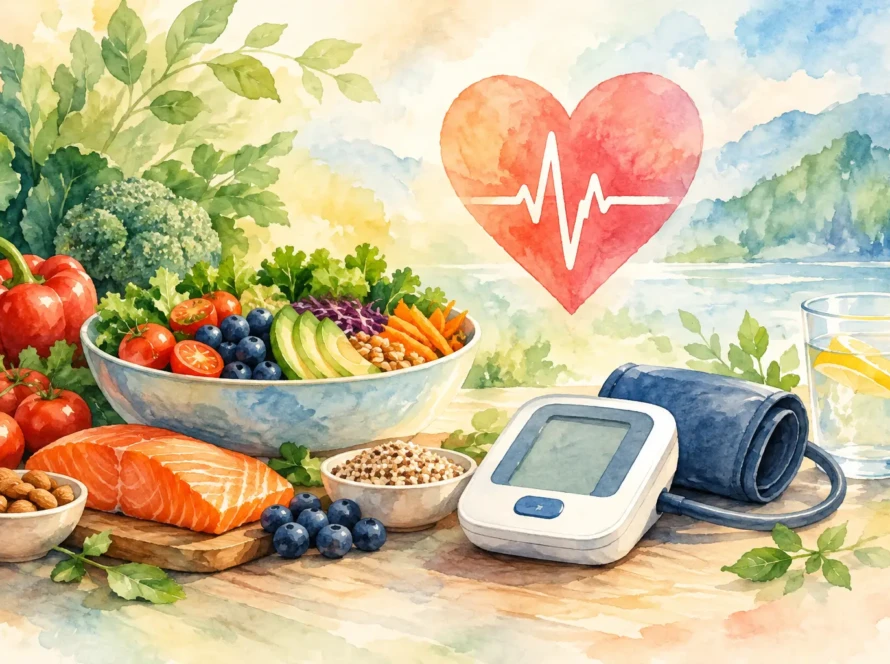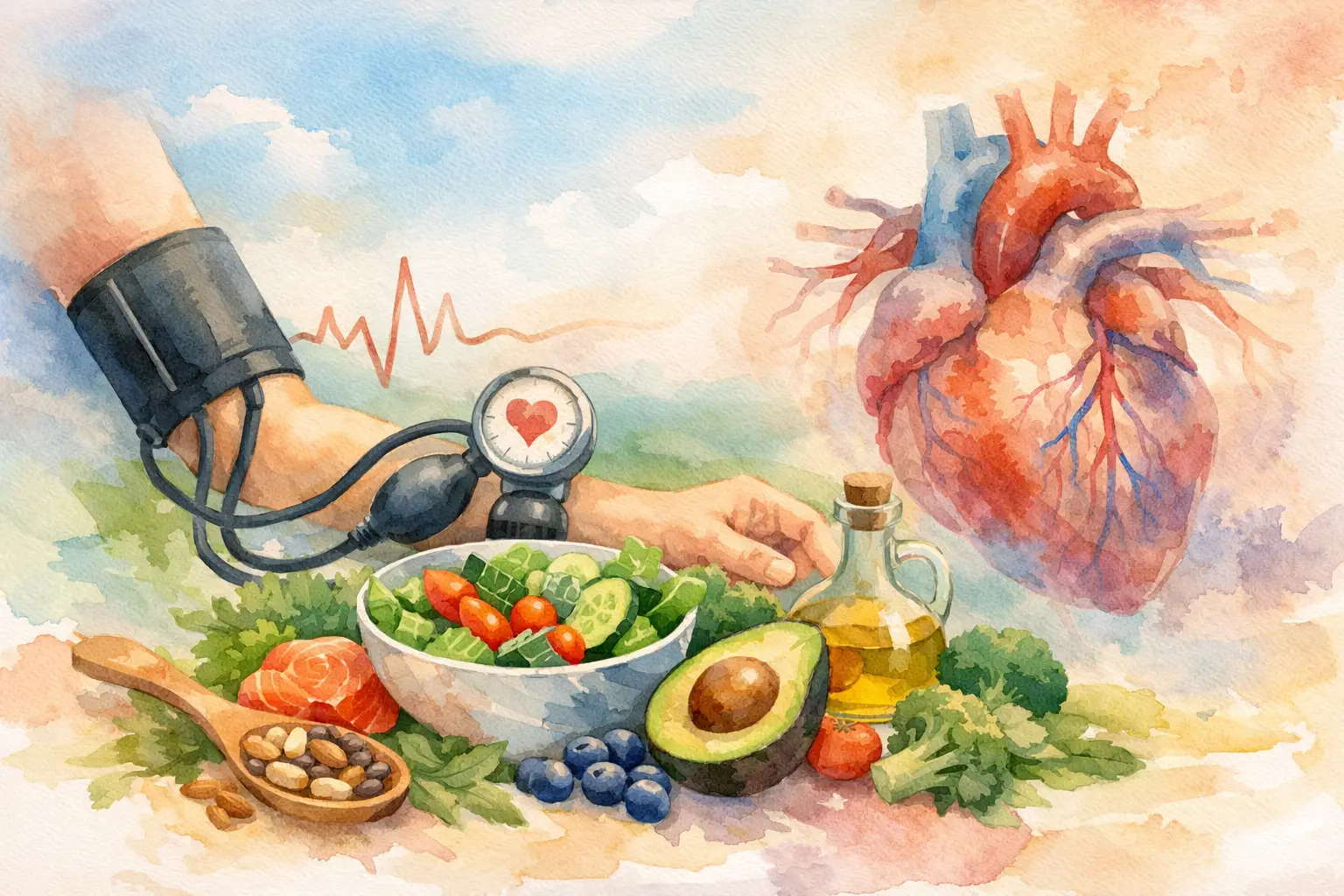
A blood pressure reading can feel like a warning light, especially when you feel perfectly well. The encouraging news is that can nutrition help blood pressure is not just a hopeful question – the food patterns you follow every day can make a meaningful difference to your readings, energy and long-term heart health.
Nutrition is not a replacement for prescribed medication, and high blood pressure should always be monitored with your doctor. But a balanced, personalised eating plan can support treatment, and for some people with mildly raised readings, it can be a major part of bringing numbers down. The goal is not a punishing diet chart. It is a way of eating you can follow through office deadlines, family meals, travel and weekends.
Can Nutrition Help Blood Pressure Over Time?
Yes. Blood pressure responds to more than one nutrient or one “superfood”. It is shaped by your overall food pattern, body weight, activity, sleep, alcohol intake, stress and medical history. Nutrition helps by reducing excess sodium, improving potassium and fibre intake where appropriate, supporting a healthier weight and making meals less reliant on highly processed foods.
The results are rarely about being perfect from Monday. A person who swaps salty packaged snacks for fruit and nuts most afternoons, cooks more meals at home and reduces frequent takeaway meals may see steady progress without feeling deprived. Small changes become powerful when they are repeated.
Your starting point matters. Someone whose diet is rich in pickles, papads, instant noodles, bakery foods and restaurant curries may notice a bigger improvement from reducing salt than someone already cooking mostly fresh meals. Likewise, people with diabetes, kidney disease, thyroid concerns, pregnancy-related high blood pressure or a family history of hypertension need advice tailored to their health needs.
Start With Salt, Not Flavour
Sodium is one of the clearest dietary factors linked with raised blood pressure. The challenge is that much of it does not come from the salt shaker. It comes from everyday convenience foods: namkeen, chips, biscuits, soups, sauces, ready-to-eat meals, processed meats, cheese, pickles and restaurant food.
You do not need bland food to lower your salt intake. Build flavour with lemon, coriander, mint, ginger, garlic, chilli, black pepper, jeera, mustard seeds, cinnamon, vinegar and herbs. When cooking dal, sabzi or soup, reduce salt gradually rather than cutting it dramatically overnight. Your taste buds adjust with time.
Be especially mindful of foods that sound healthy but can still be high in sodium, such as packaged multigrain crackers, breakfast cereals, protein snacks and bottled salad dressings. Read labels and compare products when you can. The best choice is usually the one with less salt per 100 grams, but the portion you eat still matters.
A practical approach is to keep salty extras occasional rather than daily. Enjoy achar or papad in a small portion, instead of treating it as an automatic part of every meal. When ordering out, choose simpler grilled, roasted or home-style dishes more often, and ask for less salt where possible.
Build Meals Around Foods That Support Heart Health
A blood-pressure-friendly plate should feel satisfying. Fill roughly half the plate with vegetables and salad, add a portion of protein, then include a sensible serving of high-fibre carbohydrates. This could look like roti with dal and mixed vegetables, brown rice with rajma and salad, or grilled fish with vegetables and a small portion of rice.
Fruit, vegetables, beans, lentils, wholegrains, nuts and seeds provide fibre and minerals that support cardiovascular health. Potassium is particularly helpful for many people because it can balance some of sodium’s effects. Bananas, oranges, coconut water, spinach, tomatoes, beans, yoghurt and potatoes are common sources.
However, more potassium is not automatically better. If you have kidney disease or take medicines that affect potassium levels, speak with your doctor or dietitian before using potassium salt substitutes or significantly increasing high-potassium foods. Personalisation matters far more than copying a plan from social media.
Choose fats wisely too. Nuts, seeds, olive oil, mustard oil, groundnut oil, avocado and oily fish can fit into a balanced routine. They do not need to be expensive or trendy. The key is to use modest quantities and limit frequent deep-fried foods, bakery items and foods made with large amounts of butter, cream or vanaspati.
What a Realistic Day Can Look Like
Consistency becomes easier when meals are planned around your routine. Breakfast could be vegetable poha with curd, oats with fruit and seeds, or eggs with wholemeal toast and tomatoes. These options offer more fibre and protein than a rushed breakfast of biscuits and sweet tea.
For lunch, aim for a home-style combination of roti or rice, dal or another protein, vegetables and curd or salad. If you work from an office, packing lunch even three days a week can reduce reliance on high-salt canteen meals. Keep roasted chana, unsalted nuts, fruit or yoghurt available for the late-afternoon hunger that often leads to chips and fried snacks.
At dinner, keep proportions comfortable rather than overly restrictive. A lighter meal may suit some people, but skipping dinner and becoming ravenous later is not a reliable strategy. Vegetable khichdi with curd, chicken or paneer with vegetables, or dal with one or two rotis can all work well. The right plan is one that suits your appetite, work schedule and health goals.
Weight, Alcohol and Caffeine Also Affect Readings
If weight loss is appropriate for you, even a modest reduction can support healthier blood pressure. This does not require starvation, detox drinks or cutting out every carbohydrate. Regular meals, adequate protein, higher-fibre foods and portion awareness usually create more sustainable results.
Alcohol can raise blood pressure, particularly when intake is frequent or heavy. Reducing it can be a valuable step, even if you are not ready to stop completely. Caffeine affects people differently. Some people notice a temporary increase after strong coffee, energy drinks or several cups of tea. Track your readings and symptoms, then discuss persistent concerns with your healthcare professional rather than assuming caffeine is the cause.
Do not overlook movement and sleep. A daily walk, strength training suited to your fitness level and a regular sleep routine work alongside nutrition. Think of them as part of the same plan, not separate jobs competing for your time.
Measure Progress Without Obsessing
Blood pressure can fluctuate because of stress, poor sleep, pain, caffeine, exercise and even a rushed journey to the clinic. If you monitor at home, take readings at a similar time, sit quietly beforehand and record them as advised by your clinician. Look for patterns over weeks rather than reacting to one number.
Seek urgent medical care for very high readings, particularly if they come with chest pain, severe headache, breathlessness, weakness, confusion or changes to vision. Never stop or alter blood pressure medication because your eating has improved unless your doctor tells you to do so.
A personalised plan can make this feel far less overwhelming. At LivFit Today, nutrition guidance can be shaped around your blood pressure readings, medicines, food preferences, work schedule and family meals, so healthier choices do not become another impossible task on your list.
Start with the next meal rather than waiting for a perfect Monday: add a vegetable, choose a less salty snack, drink water and cook one familiar dish with a little less salt. Those ordinary choices are how lasting change begins.