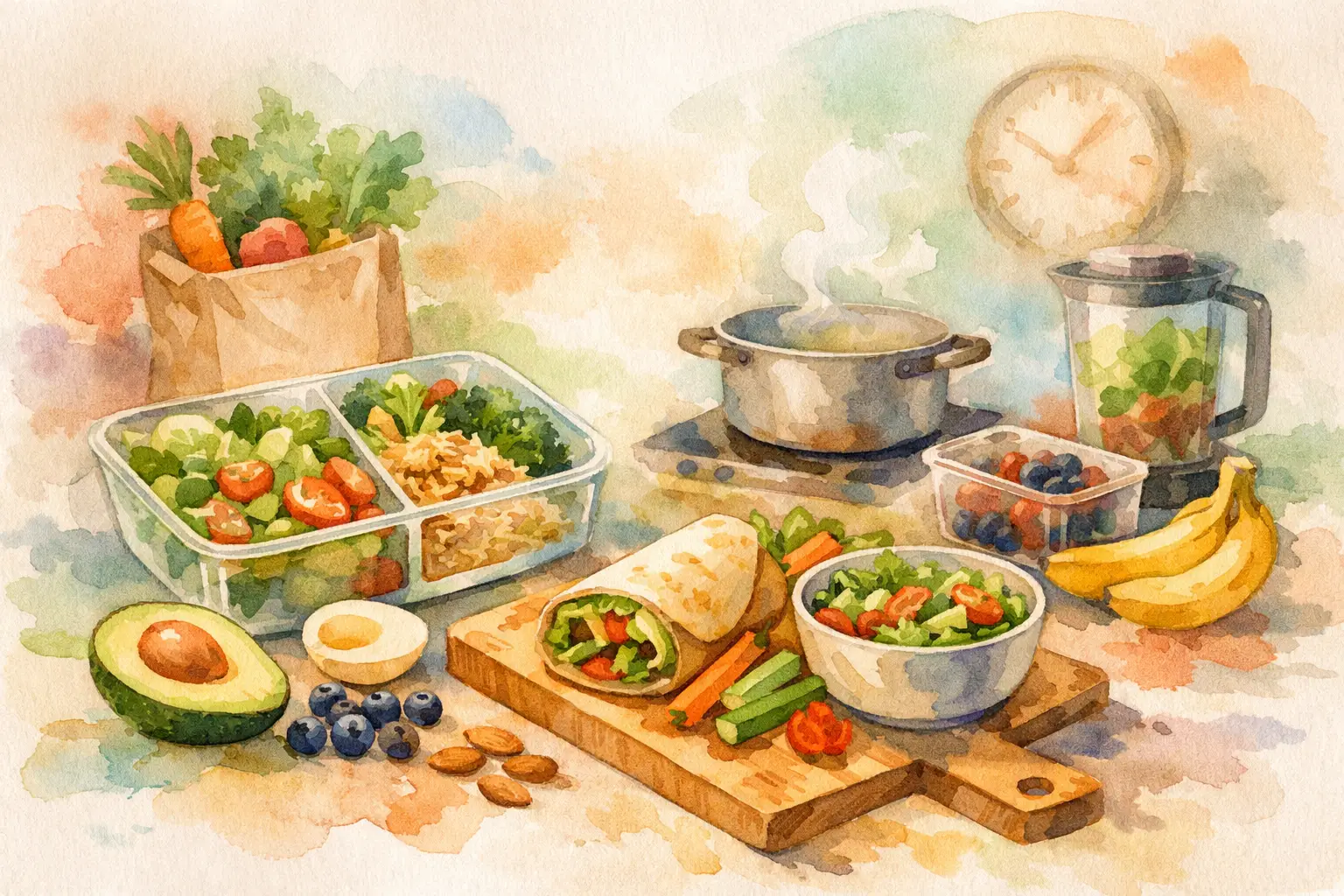
A weekly food plan should make the 7 pm question – “What can I eat now?” – easier, not turn your kitchen into a second job. Affordable healthy meal planning is about choosing satisfying everyday foods, reducing waste and creating meals that support your health goals without relying on expensive powders, imported ingredients or restrictive diet rules.
For busy professionals, parents and anyone managing weight, diabetes, thyroid concerns or high blood pressure, the best plan is rarely the most complicated one. It is the one you can repeat on a hectic weekday, adjust for family preferences and continue long after the initial motivation fades.
Why affordable healthy meal planning works
Eating well on a budget is not about eating less. Skipping meals to save calories or money often leads to intense hunger later, impulsive snacking and takeaway orders that cost more than a planned meal. A balanced plate with fibre-rich carbohydrates, protein, vegetables and some healthy fat is far more likely to keep you full and energised.
Planning also helps you see where your food budget is actually going. A fridge full of half-used vegetables, frequent food deliveries and packaged snacks can quietly increase weekly spending. When you decide a few meals in advance, you buy with purpose and use ingredients across more than one dish.
There is a trade-off, however. The cheapest option is not always the healthiest, and a highly detailed plan can become difficult to maintain. Aim for a practical middle ground: mostly simple, minimally processed foods, with enough flexibility for social meals, travel and the occasional convenience choice.
Start with your real routine, not an ideal one
Before writing a menu, consider how your week actually looks. Do you leave home early? Is lunch available at work? Do you have time to cook every evening, or only on Sunday and Wednesday? Are children eating with you? These answers matter more than copying a meal plan designed for someone else.
Choose three to four breakfast options, two to three lunch options and four dinner ideas you genuinely enjoy. Repeating meals is not boring when it removes decision fatigue. It can also make shopping cheaper because the same ingredients appear in several meals.
For example, oats can become porridge with fruit and nuts, overnight oats, or a savoury vegetable oats chilla. Cooked dal can be served with rice one day, added to a vegetable soup the next, or made into a quick dal chilla batter. One batch of roasted vegetables can work in wraps, grain bowls and omelettes.
If weight management is your goal, do not assume every meal needs to be tiny. Portion needs differ according to your body size, activity, medical history and medication. Instead of cutting out rice, roti or potatoes completely, balance the portion with protein and vegetables. This approach is more realistic than a short-term no-carbohydrate diet that leaves you tired and craving familiar foods.
Build meals around low-cost nutrition staples
Some of the most nutritious foods are already everyday kitchen staples. Pulses, beans, chickpeas, eggs, curd, paneer, seasonal vegetables, fruit, rice, wholewheat atta, poha, oats and peanuts can form the foundation of affordable meals.
Protein deserves particular attention because it supports fullness, muscle maintenance and steady energy. Vegetarian households can rely on dal, rajma, chana, moong, soy, curd, milk and paneer, while eggs, fish and chicken can be included according to preference and budget. You do not need an expensive protein product to meet your needs, but you do need to include a protein source regularly rather than treating it as an occasional addition.
Seasonal produce is another useful budget rule. It is often fresher, more readily available and less expensive than out-of-season choices. Frozen vegetables can also be a sensible option when fresh produce is costly, difficult to store or likely to go unused. They are especially useful for quick weekday meals.
A simple meal structure can guide your choices: fill roughly half the plate with vegetables or salad, include a clear protein source, then add rice, roti, millet, potato or another carbohydrate in an amount that suits your hunger and activity. Add curd, seeds, nuts or a little oil for flavour and nourishment rather than fearing all fats.
A practical day of budget-friendly eating
Breakfast could be vegetable poha with peanuts and curd, or eggs with wholegrain toast and fruit. For lunch, try rajma with rice, cucumber and a side of curd. A fruit with roasted chana, makhana or a handful of nuts can prevent the late-afternoon hunger that leads to biscuits and fried snacks.
For dinner, a mixed vegetable dal with roti can be enough. On another evening, make a paneer or chicken stir-fry using leftover vegetables and serve it with rice. These are ordinary meals, and that is exactly why they work. Healthy eating becomes sustainable when it resembles food you already know how to cook and enjoy.
Shop once, use ingredients twice
A good shopping list starts with meals, not random ingredients. Check your cupboards first, then write down the protein, vegetables, fruit and staples required for the coming days. Buying in bulk can save money for items you use consistently, such as oats, lentils or rice, but it is not a bargain if it sits unused.
Plan for two fresh-cook meals and two leftover-based meals during the working week. This reduces both preparation time and food waste. If you make extra dal, grilled chicken, boiled eggs or chopped vegetables, you have the beginnings of tomorrow’s lunch already prepared.
Convenience foods are not automatically a failure. A packet of frozen peas, ready-cooked beans or plain curd may help you make a balanced meal when time is short. The key is to use convenience strategically, rather than allowing highly processed snacks and frequent takeaways to become the default.
It also helps to set aside a modest amount for foods you enjoy. If you love a weekly restaurant meal or a dessert with family, make room for it. A plan that bans every favourite food can create an all-or-nothing pattern, where one unplanned meal feels like giving up. Consistency matters more than perfection.
Make preparation fit your energy level
Meal preparation does not have to mean spending an entire Sunday cooking seven identical containers. For many people, a lighter system works better: wash and chop vegetables, cook one protein base, prepare one dal or bean dish, boil eggs, and keep fruit visible and ready to eat.
On low-energy days, use the easiest version of the plan. A vegetable omelette, curd rice with salad, khichdi with vegetables, or a bean wrap is still a nourishing meal. The goal is to have a reliable answer before hunger becomes urgent.
Families can involve everyone without preparing separate meals. Serve one balanced main meal, then adjust portions and spice levels where needed. Children may need more energy for growth, while an adult managing blood sugar may benefit from more consistent carbohydrate portions and additional protein. One household menu can work, but individual needs still deserve attention.
When a generic meal plan is not enough
Affordable food choices can support most health goals, but medical nutrition needs personal guidance. If you have diabetes, kidney disease, PCOS, thyroid concerns, high blood pressure, digestive symptoms, pregnancy-related needs or a history of disordered eating, avoid following rigid plans from social media.
The right meal pattern may depend on blood reports, medication timing, activity level, sleep, cultural preferences and your relationship with food. For instance, someone training regularly may need more carbohydrate and protein than a person with a sedentary routine, while pregnancy nutrition requires attention to specific nutrient needs rather than weight-loss rules.
A qualified nutrition professional can help turn affordable foods into a plan that is safe, enjoyable and designed around your actual life. At LivFit Today, personalised nutrition guidance focuses on balanced, maintainable habits rather than starvation diets or one-size-fits-all charts.
Your next meal does not need to be expensive or perfect to move you forward. Start with the food already in your kitchen, add one source of protein and one vegetable, and make tomorrow’s choice a little easier than today’s.