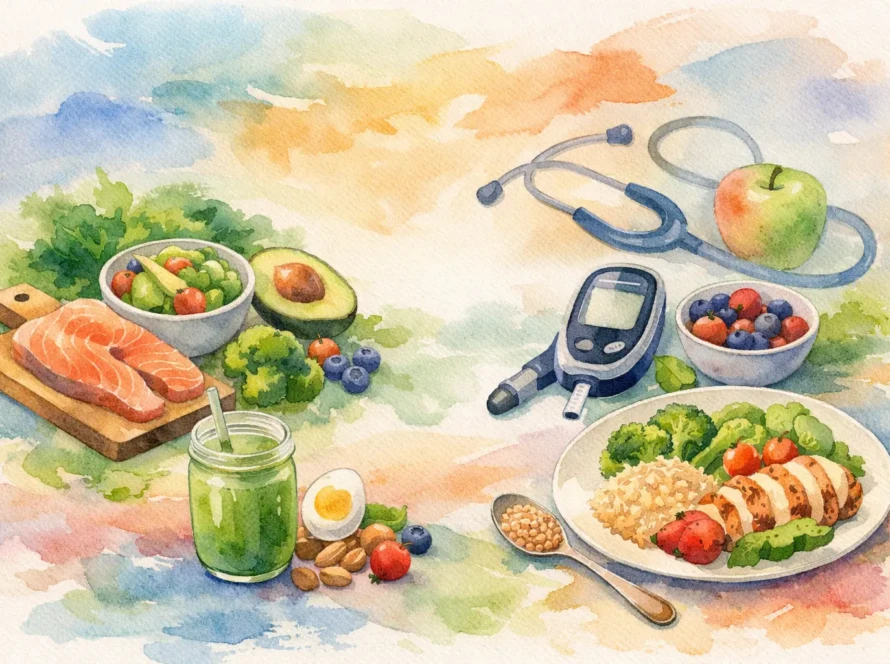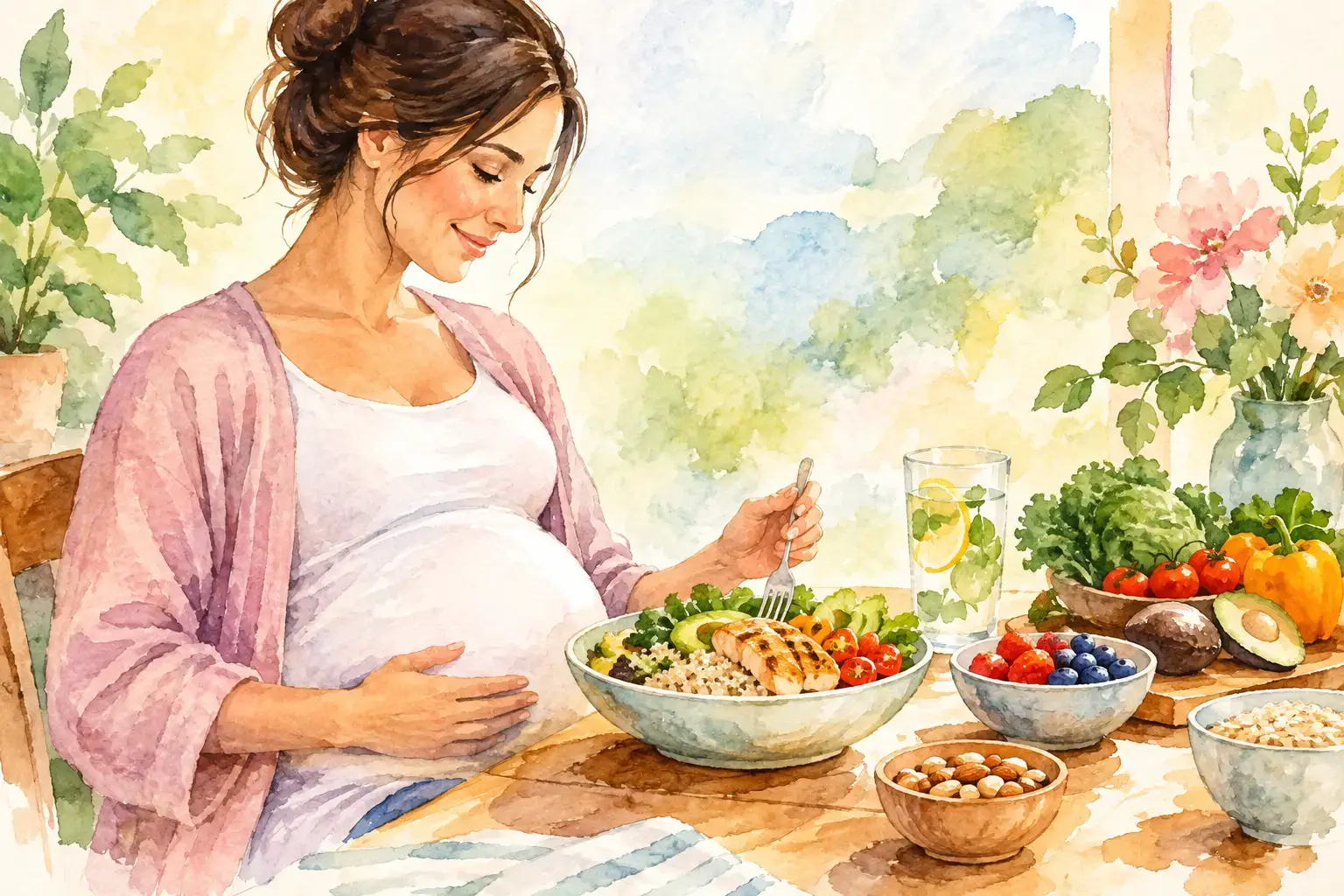
A gestational diabetes diagnosis can make every meal feel like a test. But gestational diabetes success is not about eating perfectly, cutting out every carbohydrate, or following a restrictive diet that leaves you hungry. It is about building a simple routine that helps you manage blood glucose while giving your body and baby the nourishment needed during pregnancy.
Many women are diagnosed after expecting a routine check-up, then quickly receive advice that can feel overwhelming. Blood glucose testing, meal timing, carbohydrate portions, appointments and pregnancy symptoms are a lot to manage at once. Start with the basics: regular meals, balanced plates, realistic portions and guidance tailored to your readings, medical history and daily routine.
What Gestational Diabetes Success Really Looks Like
Success does not mean every single blood glucose result will be exactly where you want it. Pregnancy hormones can raise insulin resistance, especially later in pregnancy, and a meal that worked well one week may affect you differently the next. Your maternity team will set individual blood glucose targets and explain when to test.
In practical terms, success means you are learning what supports steadier readings, eating enough to feel satisfied, attending your appointments and asking for help when patterns change. It also means avoiding the guilt that often comes with a higher reading. One result is useful information, not a failure.
Your care plan may include food changes, movement, home blood glucose monitoring and, for some women, medication or insulin. Needing medication is not a sign that you have done something wrong. Gestational diabetes is driven by placental hormones as well as lifestyle, family history and other factors. Nutrition remains valuable, but it is one part of a wider care plan.
Build Meals That Keep You Full and Steady
Carbohydrates are not the enemy in gestational diabetes. They provide energy and are found in foods such as bread, oats, rice, potatoes, fruit, milk, yoghurt, beans and lentils. The goal is to spread carbohydrate foods through the day and combine them with protein, fibre and healthy fats.
Rather than having a large bowl of cereal or a big serving of rice on its own, build a meal around balance. At lunch or dinner, aim for plenty of non-starchy vegetables, a protein source such as eggs, fish, chicken, paneer, tofu, dal or beans, and a measured portion of carbohydrate. This could be a chapati, a small serving of brown rice, quinoa, potato or wholegrain bread, depending on what suits your culture, appetite and glucose response.
Protein and fibre help slow digestion and can make a meal more satisfying. Add eggs or yoghurt to breakfast, include vegetables with your lunch and dinner, and choose higher-fibre options where possible. Wholegrain choices can help many people, but they are not automatically suitable in unlimited amounts. Portion size still matters.
Breakfast may need extra attention
Morning blood glucose can be more difficult to manage because pregnancy hormones are often more active then. Some women find that sweet cereals, large portions of fruit, juice, jam, pastries or white toast cause a sharp rise at breakfast.
A more balanced breakfast could be eggs with wholegrain toast and vegetables, plain Greek yoghurt with nuts and a small portion of berries, or a vegetable-filled besan chilla with curd. If porridge works for you, pair it with protein and avoid adding sugar, honey or a large amount of dried fruit. Your meter can help you understand which breakfasts work best for your body.
Do not skip meals to lower readings
Skipping meals can leave you overly hungry, make nausea harder to manage and increase the chance of eating a large portion later. It may also make it harder to meet your pregnancy nutrition needs. Most women do better with three balanced meals and planned snacks if needed, although the right schedule depends on their appetite, work pattern and clinical advice.
A snack is most useful when it prevents a long gap between meals or supports you before bed if your care team recommends it. Try options that pair protein or fat with a modest carbohydrate portion, such as an apple with peanut butter, wholegrain crackers with cheese, yoghurt with seeds, or roasted chana with a small fruit.
Use Your Blood Glucose Readings as Feedback
Home monitoring can feel demanding at first, but it is one of the most useful tools for personalising your eating pattern. Keep a simple record of your readings alongside what you ate, your meal timing, sleep and activity. You may begin to notice patterns such as higher readings after a rushed breakfast, a takeaway meal, poor sleep or a particularly inactive day.
Avoid changing everything after one higher result. Look for repeated patterns and discuss them with your midwife, diabetes team or dietitian. Your clinician may want you to contact them sooner if readings are consistently above your agreed target, so follow the instructions you have been given.
When you are reviewing a pattern, consider four practical questions:
- Was the carbohydrate portion larger than usual?
- Did the meal include enough protein, vegetables or fibre?
- Was there a long gap before the meal that made you very hungry?
- Did stress, illness, poor sleep or reduced movement play a part?
This approach is far more useful than labelling foods as good or bad. It helps you make one manageable adjustment at a time.
Everyday Habits That Support Gestational Diabetes Success
A short walk after eating can help muscles use glucose for energy. If your maternity team has confirmed that activity is safe for you, even 10 to 15 minutes of gentle walking after lunch or dinner can be a realistic place to start. Prenatal exercise, swimming and regular movement throughout the day may also help, but the right activity depends on your pregnancy and any medical considerations.
Hydration matters too. Choose water regularly and reduce sugary drinks, fruit juices, sweetened teas, fizzy drinks and large café-style beverages. Juice can raise blood glucose quickly, even when it is freshly made. Whole fruit is usually a better choice because it contains fibre, but portions should still be considered as part of your overall meal plan.
Sleep and stress deserve attention because they can affect appetite, food choices and glucose levels. You may not be able to control broken sleep in later pregnancy, but you can make evenings calmer where possible. Prepare a simple breakfast, keep suitable snacks available, and avoid reaching long periods without food during a busy working day.
Make Room for Culture, Cravings and Real Life
A sustainable pregnancy plan must fit the foods you enjoy and the meals your household actually eats. You do not need to stop eating rice, roti, pasta, potatoes or fruit forever. Instead, adjust portions, add vegetables and protein, and observe your response.
For example, if you enjoy a rice-based meal, try a smaller serving of rice with dal, grilled fish or paneer, salad and cooked vegetables. If you are having roti, choose a sensible number for your needs and fill the rest of the plate with sabzi and protein. With pasta, prioritise vegetables and a protein-rich sauce rather than making pasta the largest part of the meal.
Cravings are also common in pregnancy. Aiming for perfection can backfire, especially when you are tired or dealing with nausea. If you want something sweet, plan it rather than eating it when extremely hungry. A small portion after a balanced meal may work better than having it alone, but check your individual readings and follow your clinician’s advice.
Takeaways, celebrations and family meals can still happen. Choose grilled or baked options where available, include salad or vegetables, be mindful of portions of rice, breads and desserts, and avoid turning one meal into an all-day judgement about your eating.
When Personalised Support Makes a Difference
There is no single gestational diabetes meal plan that works for everyone. Food preferences, cultural meals, nausea, weight changes, work hours, activity levels and blood glucose patterns all matter. A personalised plan can turn broad advice into meals you can prepare, enjoy and repeat.
At LivFit Today, pregnancy nutrition support is designed around realistic eating habits rather than food deprivation. A dietitian can help you organise meals, understand portions, manage vegetarian or non-vegetarian choices and adapt your plan as pregnancy progresses. Always keep your maternity and diabetes teams informed, particularly if your readings change or medication is being considered.
Your next meal does not need to be perfect. Make it balanced, eat it without fear, use your readings as feedback and take the next practical step with confidence.