When grocery costs rise, it is easy to assume that healthy eating has to give way to cheaper, filling foods. But learning to balance meals on a budget is not about buying expensive “health” products or following a restrictive diet. It is about choosing everyday ingredients that keep you full, support your energy and work for the way your household actually eats.
A balanced plate can look different from one person to the next. Someone managing diabetes may need closer attention to carbohydrate portions, while a busy professional may need quick breakfasts that prevent late-afternoon snacking. The foundation, however, stays similar: include a source of protein, fibre-rich carbohydrate, vegetables or fruit, and a small amount of healthy fat most of the time.
Start with the foods you already enjoy
The most affordable meal plan is one you can repeat without wasting ingredients. Before adding new recipes to your trolley, think about the meals your family already eats regularly. Dal with rice and vegetables, vegetable khichdi with curd, egg bhurji with chapati, porridge with fruit, or a bean-based soup can all be balanced meals with a few practical adjustments.
Rather than replacing familiar foods, build around them. Add more vegetables to dal, pair rice with a protein source, or include curd and salad alongside a stuffed chapati. This approach is more realistic than buying foods you do not enjoy simply because they are labelled as healthy.
It also helps to plan for your busiest days. If Tuesday evenings are always rushed, choose a meal that uses leftovers or can be cooked in one pan. A plan that asks too much of your time is unlikely to last, no matter how nutritious it looks on paper.
The budget-friendly formula for balanced meals
You do not need to measure every ingredient to make sensible meals. Aim to make vegetables and salad a generous part of the plate, include a palm-sized portion of protein, choose a satisfying portion of carbohydrate, and add fats thoughtfully through foods such as nuts, seeds, oil, avocado or dairy.
Protein deserves particular attention because it supports fullness, muscle maintenance and steadier energy. It does not have to mean costly meat or specialist powders. Eggs, lentils, chickpeas, kidney beans, milk, yoghurt, paneer, tinned fish, chicken portions and soya are often more economical options. The best choice depends on your preferences, cultural food habits and any medical needs.
Carbohydrates are not the problem they are often made out to be. Rice, potatoes, oats, chapati, pasta and bread can all fit into a healthy eating pattern. Choosing higher-fibre versions when affordable and available can help, but portion size and what you eat alongside them matter just as much. A large bowl of rice alone may leave you hungry quickly; rice with rajma, vegetables and yoghurt is a more balanced, filling meal.
Buy the ingredients that do more than one job
A small number of versatile ingredients can cover several meals across the week. Oats can become breakfast porridge, savoury oats or a binding ingredient in homemade patties. Lentils work in dal, soups and salads. Frozen vegetables can be added to stir-fries, omelettes, curries and pasta sauces.
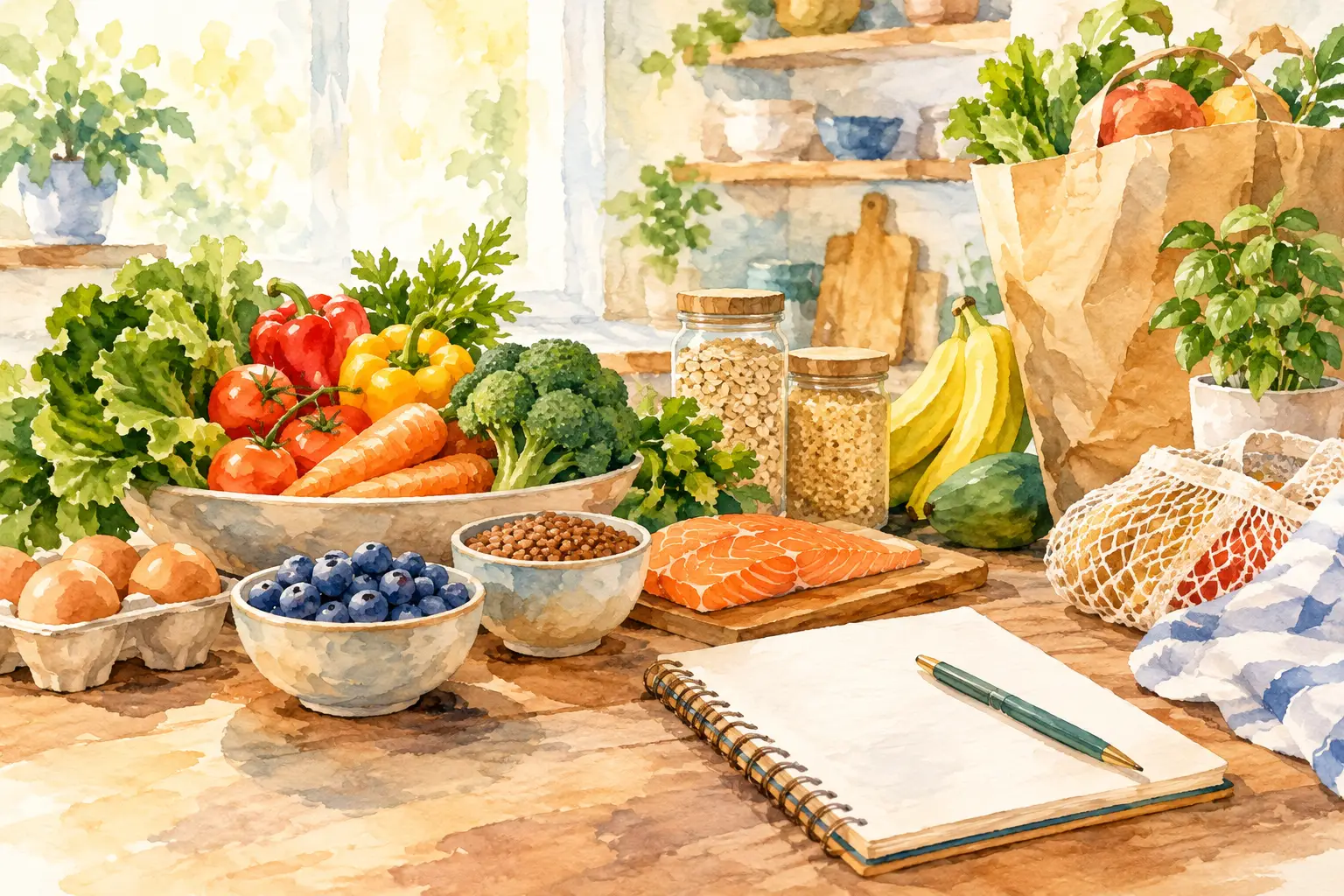
Consider keeping a reliable base of five food groups at home:
- dried or tinned pulses, eggs, dairy, fish or another affordable protein
- oats, rice, potatoes, wholemeal bread or chapati flour
- fresh seasonal vegetables plus a few frozen options
- fruit that is in season or sold in value packs
- flavour builders such as onions, tomatoes, spices, herbs and lemon
This is not a rule that every kitchen must follow. If you have allergies, follow a vegetarian diet, are pregnant, or manage a health condition, your best staples may look different. The principle is to buy ingredients that can be used fully, rather than purchasing one-off items that are forgotten at the back of the cupboard.
Shop with a loose plan, not an ambitious menu
A detailed seven-day menu may sound organised, but it can create waste if plans change. A looser structure is often more useful: plan two or three main meals, one flexible leftovers meal, and a few easy breakfasts and snacks.
Check the fridge, freezer and cupboards before shopping. Build meals around what needs using first, then make a list. This simple habit reduces duplicate purchases and makes it easier to spot where your food budget is going.
Seasonal produce is usually a sensible choice, but frozen and tinned options can be equally valuable. Frozen peas, spinach, mixed vegetables and berries are convenient, keep for longer and help you include produce when fresh options are expensive or likely to spoil. Choose tinned vegetables and beans with no added sugar where possible, and rinse them if they are high in salt.
Be cautious with multi-buy offers. They save money only when you would have bought and used the item anyway. A discounted snack you eat mindlessly is not a bargain. Equally, do not feel pressured to buy every product marketed as high protein, low calorie or clean. Most balanced meals are built from ordinary foods.
Make meal preparation work for real life
Meal preparation does not have to mean eating identical containers of chicken and rice all week. For many people, preparing components is easier. Cook a pot of lentils, roast or sauté vegetables, boil eggs, make a yoghurt-based dip and keep cooked grains in the fridge. You can then combine them differently over a few days.
For example, cooked chickpeas can go into a curry one night, a salad for lunch the next day, and a quick wrap with vegetables and yoghurt later in the week. This reduces cooking time without making meals repetitive.
Use leftovers safely and intentionally. Cool cooked food promptly, store it in covered containers and reheat it thoroughly. If you know you will not eat it within a couple of days, freeze portions before they become another source of waste.
Keep snacks satisfying, not just convenient
Many budgets are quietly drained by frequent café purchases, delivery meals and packaged snacks. You do not need to avoid these completely, but having easy food at home gives you more choice when hunger hits.
Pairing foods is a useful strategy. Fruit with yoghurt, toast with egg, roasted chana with a piece of fruit, or hummus with chopped vegetables will generally keep you fuller than biscuits or crisps alone. The goal is not perfection. It is to make the nourishing choice as convenient as the less filling one.
If you often feel hungry soon after meals, look at the meal itself before blaming your willpower. It may be too low in protein, vegetables, fibre or overall quantity. Constantly eating less than your body needs can lead to cravings, overeating later and a difficult relationship with food.
How to balance meals on a budget for specific goals
Weight management does not require skipping meals or cutting out rice, bread or favourite family dishes. Sustainable progress comes from portions that suit your body, meals that satisfy you and habits you can maintain during busy weeks. For some people, reducing takeaways and sweet drinks makes the biggest difference. For others, regular breakfasts or better protein intake are the missing pieces.
If you are training regularly, do not underfuel in an attempt to save calories or money. Affordable foods such as oats, bananas, milk, eggs, rice, potatoes and lentils can support exercise well. Your needs will vary according to training volume, body size and goals.
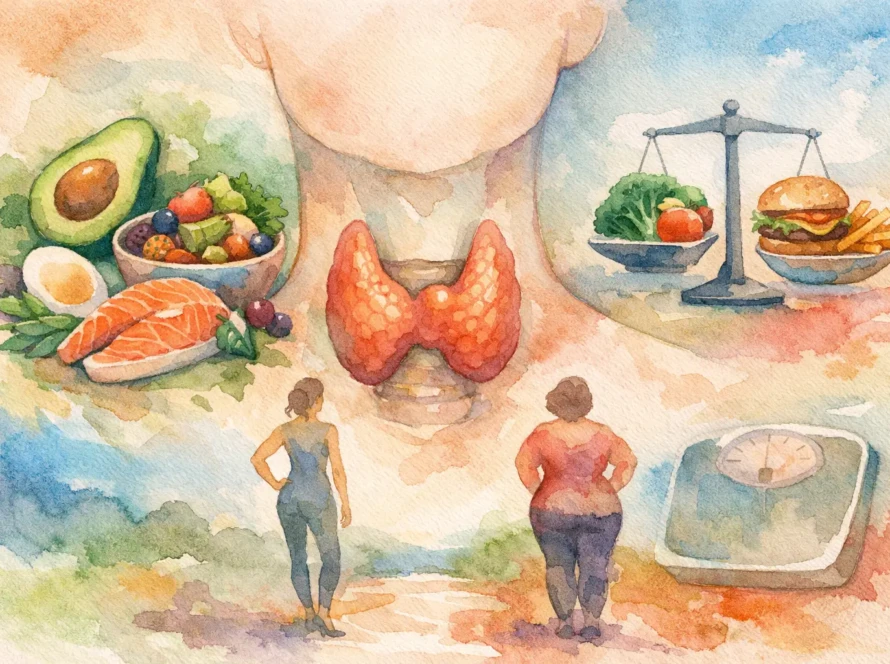
For diabetes, thyroid concerns, high blood pressure, pregnancy or digestive symptoms, generic online meal advice may not be enough. Food choices, portions and timings can need individual adjustment. Personalised support helps you protect both your health and your budget, rather than spending money on supplements or restrictive plans that do not address the real issue.
A healthy food budget is not about creating a perfect trolley. It is about giving yourself a repeatable way to eat well, even when time is short and prices are high. Start with one change this week: plan three dinners, add a protein source to breakfast, or use one leftover meal before ordering food. Small, consistent choices are what make healthy eating feel achievable for the long term.