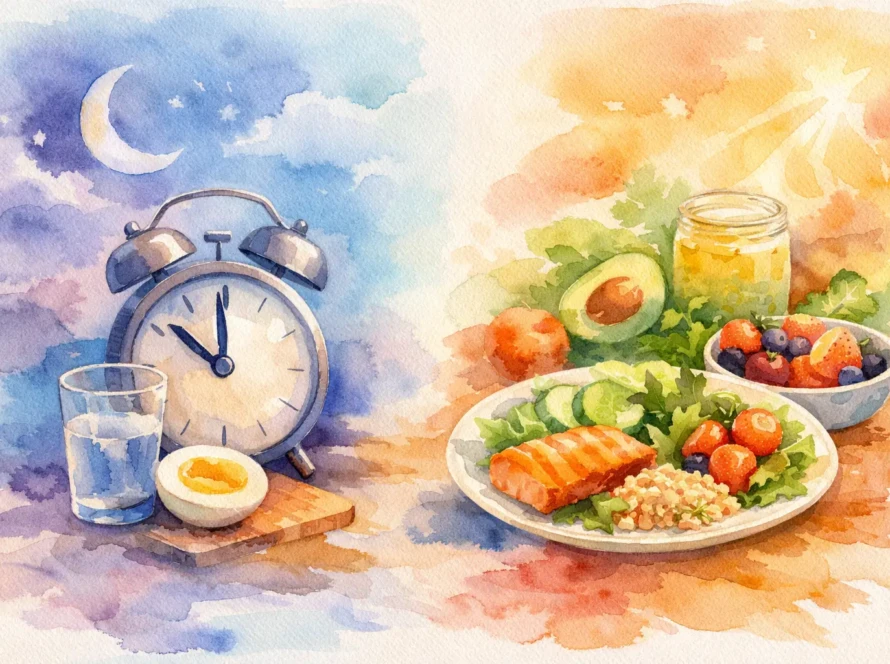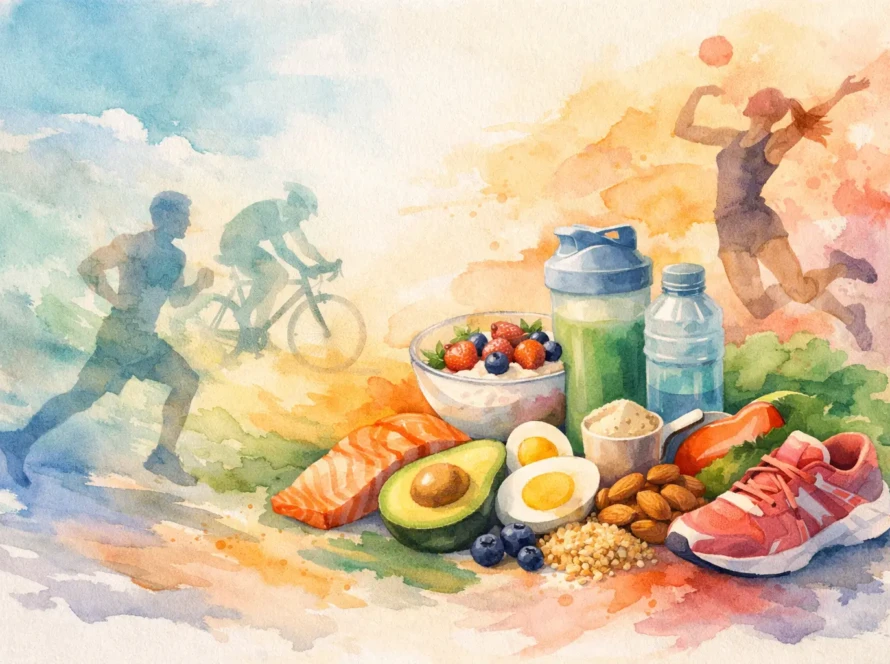
The urge often arrives at the least convenient moment: after a difficult meeting, during a late-night scroll, or when the house finally becomes quiet. If you are wondering how to manage emotional eating naturally, start here: this is not a failure of willpower. Food can offer comfort, distraction and a brief sense of relief. The goal is not to remove pleasure from eating, but to build other ways of meeting what you need.
Emotional eating is common among busy professionals, parents and anyone carrying a lot mentally. Sustainable change comes from noticing the pattern, eating regularly enough to support your body, and responding to yourself with practical compassion rather than strict rules.
Understand the difference between hunger and emotional eating
Physical hunger usually builds gradually. You may notice an empty feeling in your stomach, lower energy, difficulty concentrating or irritability. A balanced meal sounds appealing, and once you have eaten enough, you feel satisfied.
Emotional hunger can feel more sudden and specific. It may sound like, “I need something sweet now,” or “I deserve a takeaway after this day.” It often appears alongside stress, boredom, loneliness, frustration or tiredness. You might keep eating even when your body feels comfortably full, then feel guilty afterwards.
These clues are useful, but they are not a test you have to pass. Sometimes you will be physically hungry and emotionally drained at the same time. Sometimes a biscuit with tea is simply enjoyable. The key is to pause long enough to choose, rather than feeling pushed into eating by an emotion you have not recognised.
Use a short check-in before you eat
When a craving feels urgent, try giving yourself two minutes before acting on it. Ask: What am I feeling right now? When did I last have a filling meal? What would help me feel better in the next 20 minutes?
If you are genuinely hungry, eat. Delaying food when your body needs it can make overeating later more likely. If the feeling is mainly stress or overwhelm, you can still decide to have the food, but first add another form of support. A glass of water, a few slow breaths, a quick walk around the room or a voice note to a friend can create enough space for a more considered choice.
How to manage emotional eating naturally with regular meals
One of the most overlooked causes of intense evening cravings is under-eating earlier in the day. Skipping breakfast, having only coffee until lunch, or trying to be “good” all day can leave your body searching for quick energy by late afternoon. At that point, chocolate, crisps or a large portion of comfort food can feel almost impossible to resist.
A regular eating rhythm helps steady energy, mood and appetite. For many people, this means three balanced meals and, if needed, a planned snack between them. Your needs will vary depending on your work schedule, activity level, medications, sleep and health conditions, so avoid copying someone else’s meal plan without considering your own routine.
Build meals around protein, fibre-rich carbohydrates, vegetables or fruit, and satisfying fats. For example, eggs with wholegrain toast and fruit, dal with rice and vegetables, or yoghurt with oats, nuts and berries can keep you fuller for longer than a meal made mostly of refined carbohydrates.
A useful afternoon snack might be fruit with nuts, yoghurt, roasted chana, or a sandwich with a protein filling. This is not about eating perfectly. It is about making sure you do not arrive home so hungry that your only realistic option feels like eating everything in sight.
Make comfort eating more intentional, not forbidden
Labelling foods as “good” or “bad” can make emotional eating worse. The more strictly you ban your favourite foods, the more powerful they can become. Restriction often creates a cycle: you avoid a food, crave it intensely, eat more than you wanted, then promise to be stricter tomorrow.
Instead, allow enjoyable foods within a nourishing overall pattern. Put the food on a plate or in a bowl rather than eating directly from a packet. Sit down if you can. Eat slowly enough to notice the taste, texture and point at which it stops being satisfying.
This approach may feel unfamiliar if you are used to eating while working, watching television or standing in the kitchen. Yet even one intentional snack can help weaken the link between difficult feelings and automatic eating. You are not trying to prove that you never need comfort. You are learning to give yourself comfort in ways that genuinely help.
Create a practical plan for your trigger moments
Emotional eating is rarely random. It often follows familiar situations: a stressful commute, conflict at home, deadline pressure, poor sleep, or the dip in energy after an intense day. For one week, make a brief note when you feel drawn to eat without physical hunger. Record the time, what happened beforehand, your hunger level and what you ate.
Patterns usually become clearer quickly. You may find that your craving is strongest at 4 pm when lunch was too light, or at 10 pm when you have had no time to switch off. Once you know the pattern, prepare a realistic response.
For example, keep a satisfying snack in your work bag for long days. Have a ten-minute transition routine when you get home, such as changing clothes, showering or listening to music before entering the kitchen. If late-night eating is your trigger, make sure dinner is substantial enough and create a calming alternative to scrolling with snacks nearby.
Helpful alternatives are simple and personal. They may include stepping outside, stretching, having a warm shower, writing down what is worrying you, making tea, or calling someone who makes you feel grounded. These are not meant to distract you from every feeling. They help you process the feeling without relying on food as your only tool.
Protect your sleep and manage stress kindly
Sleep loss changes appetite signals and makes high-sugar, high-fat foods more appealing. After a short night, your brain is looking for fast comfort and energy. You do not need a perfect bedtime routine, but small changes can make a difference: eat dinner at a regular time, reduce work messages before bed and aim for a wind-down habit you can repeat most nights.
Stress deserves the same practical attention. You cannot always remove a demanding job, family responsibility or health concern, but you can build short recovery moments into your day. A five-minute walk between meetings, slower breathing before meals, or a proper lunch away from your desk may seem small, yet these habits reduce the pressure that often spills into eating.
Respond to setbacks without starting over
One emotional eating episode does not undo your health goals. The most useful next step is not fasting, punishing exercise or cutting out meals the following day. Return to your normal breakfast, lunch and dinner. Ask with curiosity what made the urge stronger, then adjust one thing for next time.
Progress can look like recognising a trigger sooner, stopping when you are comfortably full, or having the same food without the guilt that used to follow it. These are meaningful changes. A calm, consistent approach is far more likely to support weight management than repeated cycles of restriction and overeating.
When personalised support can help
If emotional eating feels frequent, secretive or out of control, you deserve more support than a generic diet plan. It can be especially helpful to speak with a qualified nutrition professional when emotional eating sits alongside diabetes, thyroid concerns, PCOS, blood pressure issues, pregnancy changes or a history of dieting.
A personalised plan considers your medical needs, food preferences, daily schedule and emotional triggers. At LivFit Today, the focus is on balanced nutrition that fits real life, not starvation-based dieting. For some people, counselling or therapy is also an essential part of care, particularly if eating brings intense distress, shame or a sense of loss of control.
The next time food feels like the only answer, pause and offer yourself one small act of care first. Whether you then choose a meal, a snack, a conversation or a rest, that pause is where a more peaceful relationship with food begins.