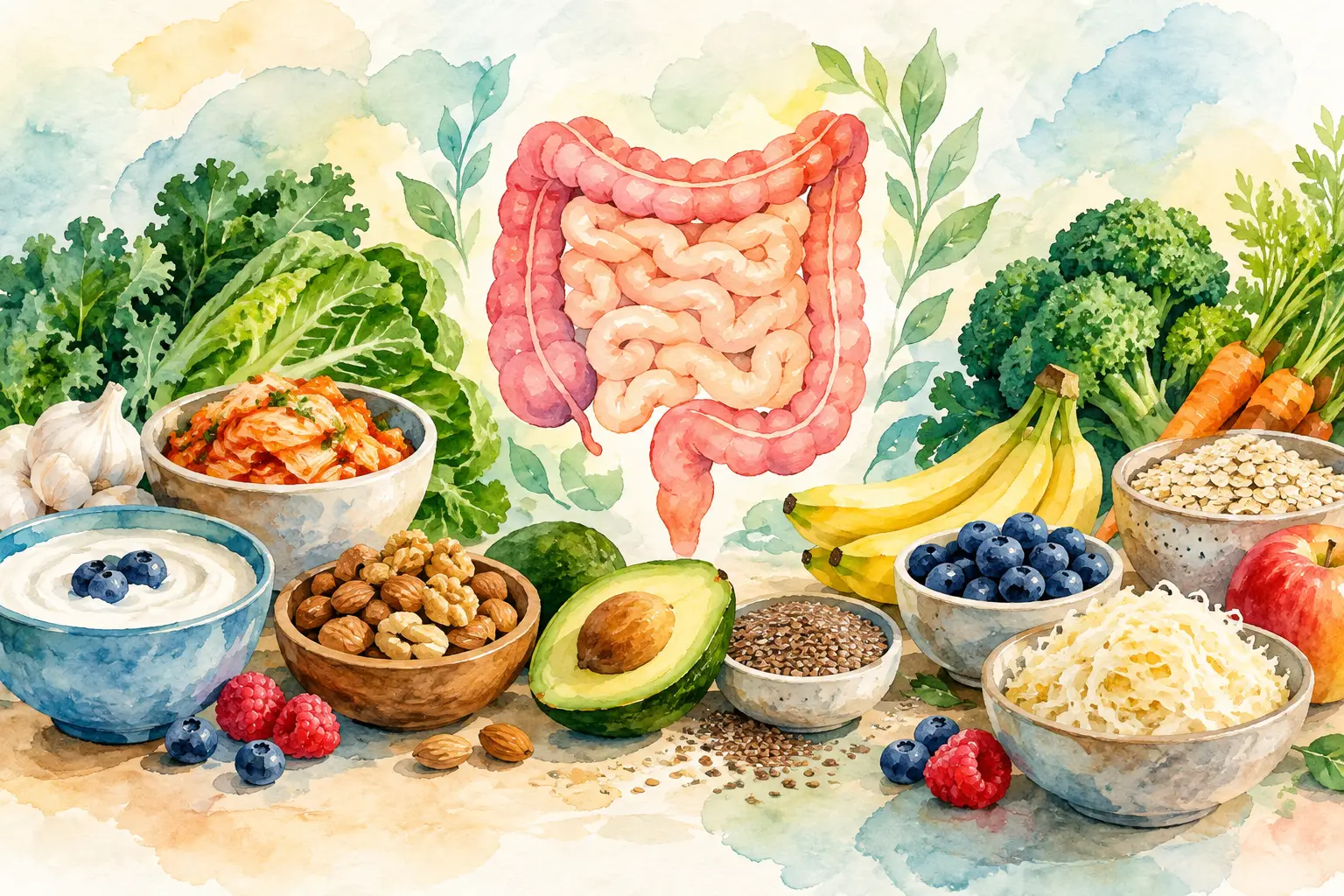
A healthy gut rarely comes from one expensive supplement or a strict food rule. It is built through the meals you repeat: your breakfast bowl, the vegetables in your dal, the snack you reach for during a busy afternoon. The best foods for gut health are everyday foods that feed beneficial gut bacteria, support regular digestion and fit your life well enough to eat consistently.
Your gut contains trillions of microbes that interact with digestion, immunity and overall wellbeing. They thrive on variety, especially plant fibres. But more fibre is not always better overnight. If you currently eat few vegetables, pulses or wholegrains, a sudden large increase can bring bloating and discomfort. The goal is gradual, practical change, not forcing a “perfect” diet.
What makes foods good for gut health?
Gut-friendly foods usually fall into three useful groups. Prebiotic foods provide types of fibre that nourish beneficial bacteria. Fermented foods may provide live cultures, depending on how they are prepared and stored. Fibre-rich foods help add bulk to stools and support more regular bowel movements.
No single food can fix persistent constipation, diarrhoea, reflux or bloating. Sleep, stress, hydration, activity levels, medications and medical conditions all play a role. Still, making your plate more diverse is one of the most reliable ways to support your digestive health without relying on restrictive dieting.
The best foods for gut health, grouped for real meals
1. Oats and other wholegrains
Oats are a simple starting point because they contain beta-glucan, a soluble fibre that supports beneficial bacteria and can also help with heart health. Porridge with fruit and seeds makes an easy breakfast, while overnight oats can suit busy mornings.
Other helpful choices include wholewheat roti, brown rice, barley, millet, quinoa and wholegrain bread. You do not need to replace every refined grain immediately. Start by swapping one meal a day, such as choosing two wholewheat rotis at lunch or mixing brown and white rice while your taste and digestion adjust.
2. Pulses, beans and lentils
Dal, chana, rajma, black-eyed beans and moong are valuable sources of fibre, resistant starch and plant protein. They help feed gut bacteria while making meals more satisfying, which can support weight management without skipping meals.
If beans tend to make you feel gassy, begin with a small portion several times a week rather than a very large bowl once in a while. Soaking dried pulses, rinsing tinned beans and cooking them thoroughly may improve comfort for some people. Moong dal and masoor dal are often gentler options when you are building the habit.
3. Vegetables in a range of colours
Vegetables offer different types of fibre and plant compounds, so variety matters more than chasing one so-called superfood. Aim to include vegetables at lunch and dinner, rotating familiar options such as spinach, okra, carrots, beans, cauliflower, cabbage, gourds, beetroot and peppers.
Onion, garlic, leek and spring onion are especially rich in prebiotic fibres. They can be excellent for many people, but they may worsen gas or abdominal pain for people with irritable bowel syndrome. If that sounds familiar, do not assume you must avoid all healthy foods permanently. The amount, preparation and your individual tolerance matter.
4. Fruit, particularly when eaten whole
Whole fruit provides fibre as well as vitamins, fluid and natural sweetness. Bananas, apples, pears, oranges, berries, guava, kiwi and papaya are all useful choices. A slightly green banana contains more resistant starch, while ripe banana may be easier to tolerate for some people.
Try to choose whole fruit more often than juice. Juice can be convenient, but it contains far less fibre and is easier to overconsume. Fruit with curd, a handful of nuts or a balanced breakfast can also help you stay fuller than fruit alone.
5. Curd, yoghurt and traditional fermented foods
Plain curd or yoghurt with live cultures can be a practical addition to meals, especially if you enjoy it with fruit, as raita or alongside a home-cooked lunch. Kefir is another fermented dairy option where available. Fermented foods such as idli, dosa and dhokla can be enjoyable parts of a balanced eating pattern, although cooking may reduce some live cultures.
Choose unsweetened yoghurt where possible. Flavoured varieties can contain substantial added sugar, which does not make them a better choice for the gut. If you are lactose intolerant, small portions of yoghurt may still be tolerated, but this varies. Lactose-free yoghurt or non-dairy alternatives with added live cultures may be more suitable.
6. Nuts and seeds
Almonds, walnuts, pistachios, chia seeds, flaxseed and pumpkin seeds contribute fibre and beneficial fats. A small handful of nuts or one to two teaspoons of seeds is enough to make a difference to the nutrient quality of a meal.
Add ground flaxseed to porridge, stir chia into yoghurt or carry a small portion of mixed nuts for the commute. Seeds absorb water, so increase fluids as you add them. Whole flaxseed may pass through undigested, which is why ground flaxseed is generally the more useful option.
7. Potatoes, sweet potatoes and cooked-then-cooled starches
Potatoes and rice are not foods you need to fear. When potatoes, rice or pasta are cooked and cooled, some of their starch becomes resistant starch, which behaves more like fibre in the gut. A cooled rice salad, leftover roasted sweet potato or a potato chaat with vegetables can therefore be part of a gut-supportive meal.
This does not mean cold food is automatically healthier or that portions do not matter. For diabetes, insulin resistance or weight goals, plate balance remains important. Combine starchy foods with vegetables, protein and healthy fats rather than eating a large refined-carb portion on its own.
8. Polyphenol-rich foods and drinks
Polyphenols are naturally occurring plant compounds that gut bacteria can use. Colourful berries, grapes, pomegranate, cocoa, extra-virgin olive oil, herbs, spices, green tea and coffee all contribute them.
You do not need speciality products to benefit. Add cinnamon to oats, use herbs and spices generously in cooking, enjoy unsweetened tea, or finish a meal with pomegranate seeds when they are in season. Coffee can suit some people, but it may aggravate reflux, loose stools or anxiety in others. Your digestive comfort is useful feedback, not a failure.
Build a gut-friendly day without overhauling everything
A balanced day might begin with porridge, yoghurt, banana and ground flaxseed. Lunch could be dal, mixed vegetables, salad and wholewheat roti. For a snack, choose fruit with nuts instead of routinely relying on biscuits or crisps. At dinner, include a protein source, two vegetables and a sensible portion of rice, roti or millet.
The most effective approach is to add before you subtract. Add a vegetable to your usual meal, add fruit to breakfast, add dal twice more each week, or add curd if you tolerate dairy. These changes are easier to maintain than cutting out broad food groups, and consistency is what produces measurable progress.
Hydration matters too. Fibre works best when your fluid intake is adequate. Water needs vary with weather, exercise, pregnancy, breastfeeding and medical conditions, so use thirst, urine colour and professional advice as practical guides. If you have been advised to restrict fluids due to a kidney or heart condition, follow your clinician’s guidance instead.
When a personalised plan matters
Bloating after every meal, blood in stools, unexplained weight loss, ongoing diarrhoea, severe pain, persistent constipation or a major change in bowel habits should be assessed by a medical professional. Food changes can support health, but they should not delay investigation of concerning symptoms.
A personalised approach is also valuable for people managing diabetes, thyroid concerns, PCOS, kidney disease, inflammatory bowel disease, pregnancy-related digestive symptoms or sports performance goals. What supports one person’s gut can be uncomfortable or unsuitable for another. At LivFit Today, nutrition guidance is built around your health history, schedule, food preferences and goals, because sustainable eating has to work beyond a single good week.
Start with one change you can repeat this week: perhaps a bowl of oats, an extra serving of vegetables, or dal added to your regular lunch. Your gut responds best to steady nourishment, not punishment.