The early weeks with a baby can make regular meals feel surprisingly difficult. You may be feeding around the clock, recovering from birth and trying to function on broken sleep. This breastfeeding nutrition food guide is not about eating perfectly or following a strict diet. It is about giving your body steady nourishment so you can feel more energised, support recovery and care for your baby without neglecting yourself.
Breastfeeding does use additional energy, but that does not mean you need to eat for two. Your appetite, milk production, activity level, recovery and baby’s feeding pattern will all affect how hungry you feel. A balanced approach works better than calorie counting, skipping meals or trying to lose pregnancy weight quickly.
Breastfeeding nutrition food guide: build meals that sustain you
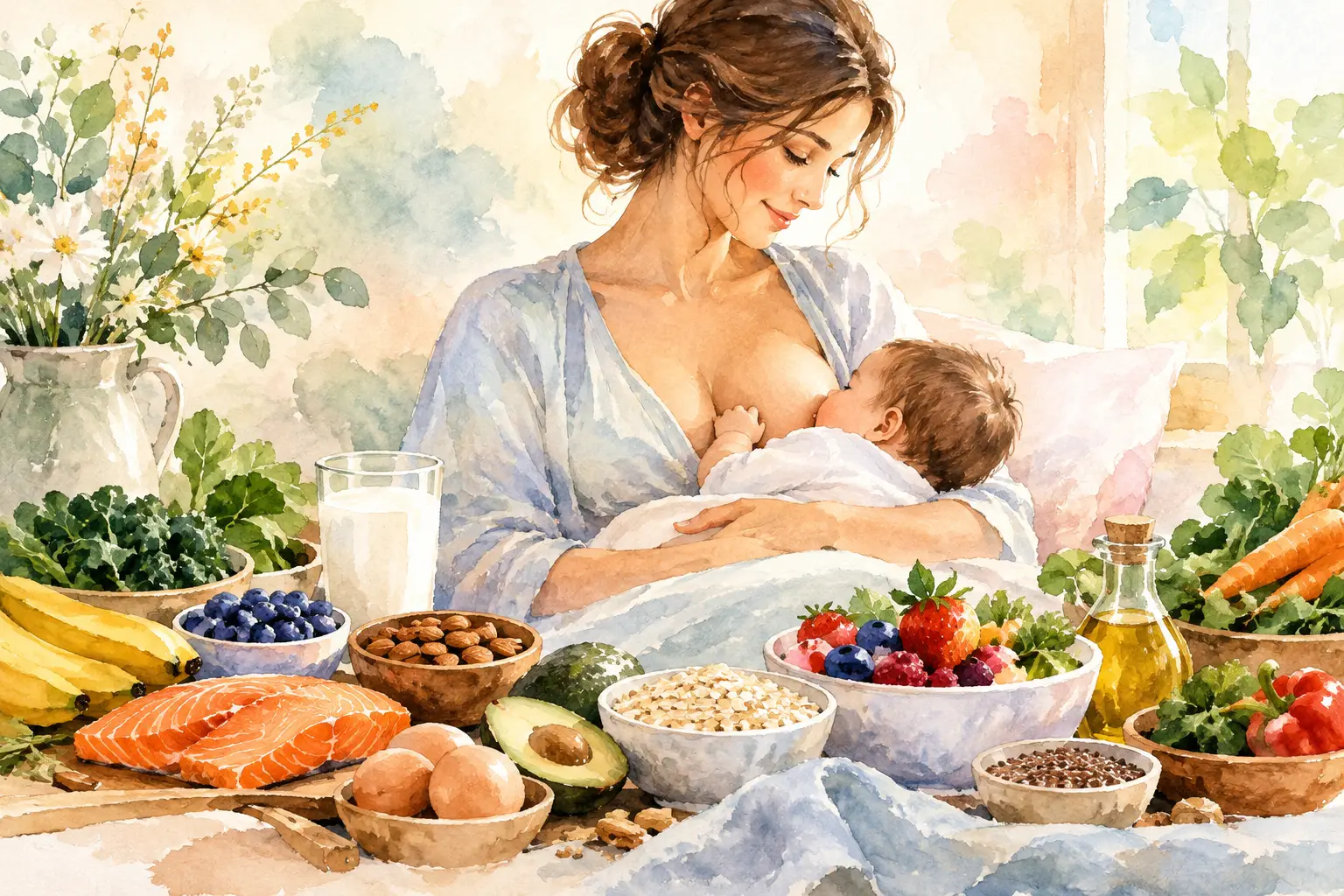
Aim to include a source of protein, fibre-rich carbohydrate, colourful vegetables or fruit, and healthy fats across the day. This combination helps keep energy levels more stable than tea, biscuits or a single rushed meal can.
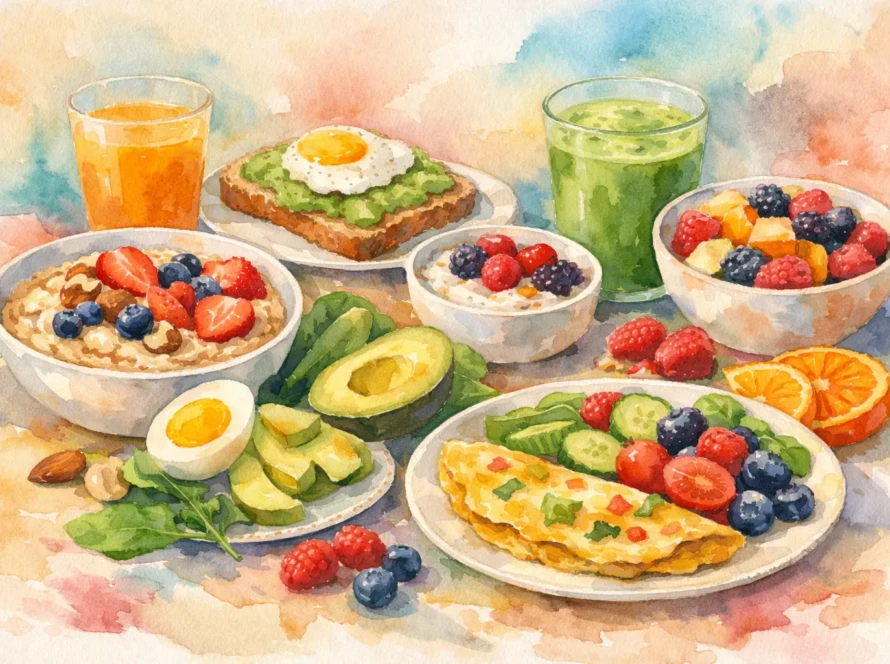
A simple breakfast might be porridge made with milk, topped with fruit and nuts, or vegetable poha with curd. At lunch, dal with roti, sabzi and salad is a practical balanced plate. Dinner could be rice or chapati with rajma, chana, fish, chicken, paneer or tofu, alongside vegetables. These are everyday meals, not specialist “postpartum foods”, and they can be adapted to your culture, budget and appetite.
Protein deserves particular attention. It supports tissue repair after pregnancy and helps meals keep you fuller for longer. Include options such as dals, beans, lentils, eggs, milk, yoghurt, paneer, tofu, chicken, fish or lean meat according to your dietary preference. If you are vegetarian or vegan, planning protein through the day matters even more.
Carbohydrates are not the enemy during breastfeeding. Your body needs reliable fuel, especially when sleep is limited. Choose higher-fibre options more often, such as oats, wholemeal bread, millets, brown rice, wholewheat roti, potatoes with skin, beans and fruit. White rice, bread and favourite comfort foods can still fit too. The goal is balance, not food fear.
Do you need extra calories while breastfeeding?
Many breastfeeding mums need more food than they did before pregnancy, often in the form of an extra nourishing snack or a slightly larger portion at meals. But there is no single number that suits everyone. A mum exclusively feeding a growing baby may feel far hungrier than someone combining breastfeeding with formula feeds, and both experiences are normal.
Let hunger and fullness guide you, while making sure you are eating consistently. If you are ravenous late at night, light-headed, constantly fatigued or finding it hard to concentrate, you may need more regular meals and snacks. Keep easy options where you feed: a banana, roasted chana, trail mix, yoghurt, fruit, cheese on wholegrain crackers or a peanut butter sandwich.
Trying to create a large calorie deficit soon after birth can leave you depleted and make daily life harder. Gradual weight loss may happen over time, but your recovery, milk supply, mental wellbeing and strength should come first. If weight management is a goal, a personalised postnatal plan is safer and more sustainable than cutting out food groups.
Key nutrients for breastfeeding mothers
You do not need to chase every nutrient through complicated recipes. Focus on a varied diet, then pay attention to a few nutrients that commonly need more care.
Calcium, vitamin D and iodine
Calcium supports your own bone health. Milk, yoghurt, paneer, cheese, fortified plant drinks, sesame seeds, ragi and certain leafy greens can help you meet your needs. If you do not eat dairy, choose fortified alternatives and speak with a qualified professional about whether supplementation is appropriate.
Vitamin D can be difficult to obtain from food alone, particularly when you are indoors with a newborn. Eggs, oily fish and fortified foods contribute, but many women may need a supplement based on local health advice and individual needs.
Iodine is needed for thyroid health and your baby’s development. Iodised salt, dairy, eggs and seafood can contribute. Do not switch to speciality salts assuming they provide iodine, as many do not. If you have a thyroid condition, get individual advice before taking iodine supplements.
Iron, B12 and omega-3 fats
Blood loss during delivery can affect iron stores, particularly if you had anaemia during pregnancy. Include iron-rich foods such as lentils, beans, leafy greens, sesame, meat, poultry and eggs. Pair plant sources with vitamin C-rich foods, such as guava, oranges, tomatoes, capsicum or lemon, to support absorption.
Vitamin B12 is found mainly in animal foods and fortified products. Vegetarian and vegan mums may need a supplement, especially if intake has been low. Oily fish such as salmon, sardines and mackerel provides omega-3 fats as well as protein. If you do not eat fish, discuss an algae-based omega-3 supplement with your healthcare professional.
Hydration without overthinking it
Breastfeeding can make you thirsty, so keep water within reach during feeds. Sip regularly through the day and use your urine colour as a simple guide: pale yellow usually suggests you are reasonably hydrated. Milk, soups, coconut water and foods with high water content also add to fluid intake.
There is no need to force litres of water in the hope of increasing milk supply. Excess fluid will not compensate for inadequate meals, poor latching or an underlying feeding concern. Drink to thirst, eat regularly and seek lactation support if you are worried about supply or baby’s weight gain.
Tea and coffee can still be enjoyed in moderation. However, high caffeine intake may make some babies unsettled or affect sleep. Be mindful of caffeine from coffee, tea, cola, energy drinks and chocolate combined, especially if your baby seems unusually wakeful.
Foods you do not need to avoid automatically
Many mothers are told to avoid spicy food, citrus, cabbage, pulses or cold foods because they may make a baby gassy. In most cases, there is no reason to remove these nutritious foods automatically. Babies can have wind, crying spells and changing stools for many reasons, and your meal is not usually the cause.
If you notice a clear, repeated pattern after a particular food, discuss it with your paediatrician or dietitian before making major restrictions. Cutting dairy, gluten or several food groups without guidance can make it harder to meet your own needs and may create unnecessary anxiety around eating.
Alcohol is best avoided while breastfeeding where possible. If you choose to drink, plan carefully and get advice relevant to your circumstances. Smoking, recreational drugs and unregulated herbal weight-loss products can pose risks and should not be treated as harmless because they are labelled natural.
Make healthy eating possible on low-sleep days
A nourishing routine does not require cooking from scratch at every meal. Batch-cook dal, chana, vegetable curries or soup when you have support. Keep washed fruit visible, stock frozen vegetables, and use convenient foods wisely. Ready-made rotis, tinned beans, plain yoghurt, boiled eggs and pre-cut vegetables can make a balanced meal happen in minutes.
Accept help with food when it is offered. Ask family members to bring a home-cooked meal, prepare a fruit box or keep a water bottle filled rather than simply asking whether you need anything. This is not a luxury. Regular nourishment is a practical part of postpartum care.
If you have diabetes, thyroid concerns, anaemia, high blood pressure, a multiple birth, a vegan diet or a history of eating difficulties, generic advice may not be enough. A dietitian can tailor portions, supplements and meal timing around your recovery and feeding routine. LivFit supports realistic, personalised nutrition that fits family meals rather than adding another demanding plan to your day.
Your body is doing demanding work, even when much of it is invisible. Let each meal be a small act of care: enough food, enough fluid and enough flexibility to support both your baby and you.