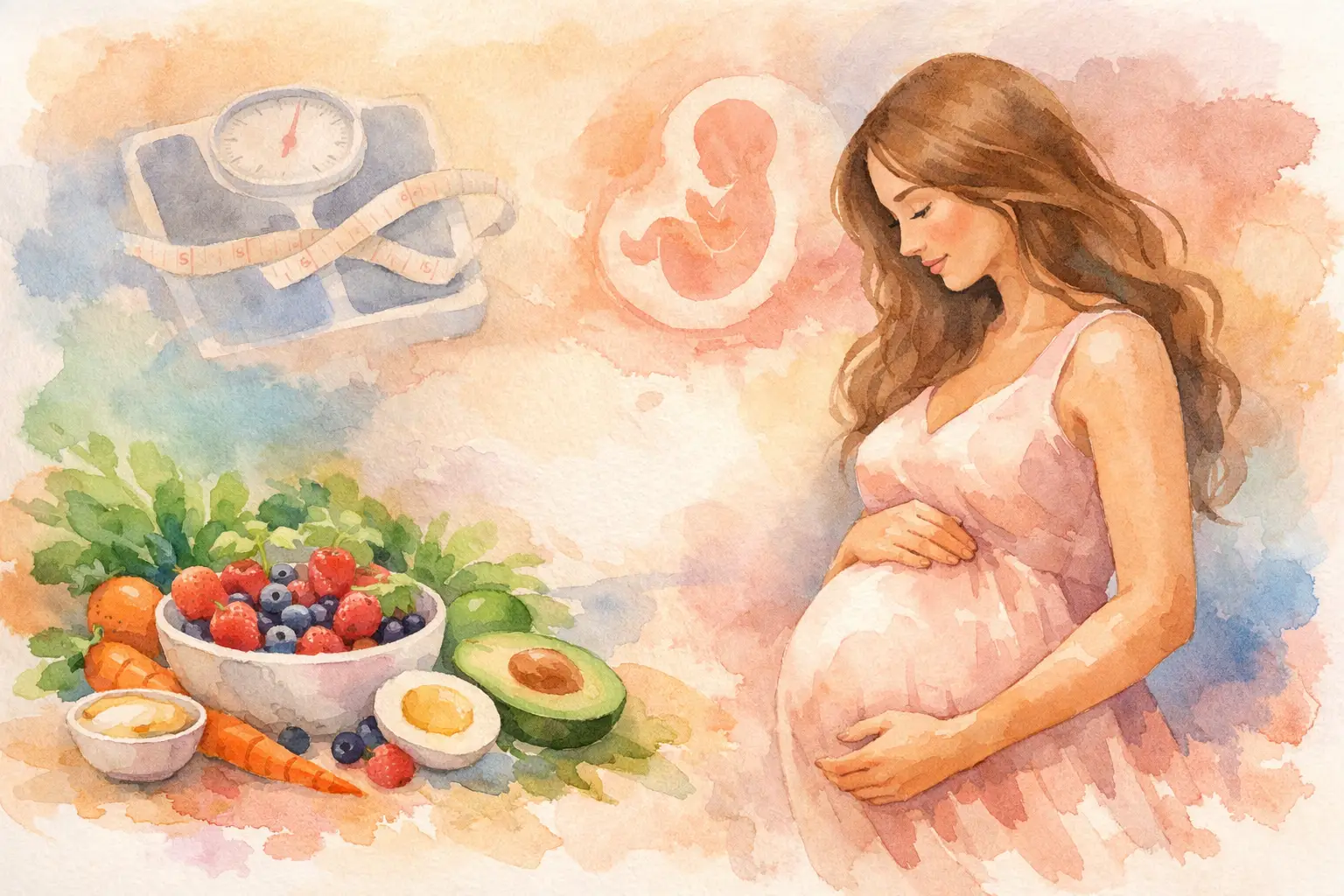
A positive pregnancy test can bring excitement, questions and, for many women, immediate worry about food and the weighing scales. A dietitian for pregnancy weight gain helps replace guesswork with a plan that supports your changing body, your baby’s development and your everyday routine. This is not about restrictive dieting or trying to stay as small as possible. It is about gaining appropriately for your individual starting point and feeling confident about what you eat.
Pregnancy nutrition advice can feel contradictory. One person tells you to eat for two, another tells you to cut carbohydrates, and social media can turn a normal change in body shape into a source of stress. Your needs are personal. They depend on your pre-pregnancy weight, stage of pregnancy, medical history, activity level, symptoms and dietary preferences.
Why pregnancy weight gain needs a personal plan
Weight gain in pregnancy is expected. It reflects not only body fat, but also your growing baby, placenta, amniotic fluid, increased blood volume and changes in breast tissue. The right pattern is rarely a perfectly straight line. Early pregnancy can bring nausea, food aversions or fatigue, while appetite often changes later on.
General weight-gain ranges can be useful as a clinical starting point, but they are not a scorecard. A woman carrying twins, managing diabetes, living with thyroid concerns or beginning pregnancy at a higher or lower weight may need more tailored monitoring. Your obstetrician or midwife should remain central to your maternity care, while a dietitian can translate their guidance into meals and habits that work in real life.
The goal is not to control every bite. It is to support steady nourishment without the cycle of skipping meals, intense hunger, overeating and guilt.
When a dietitian for pregnancy weight gain can help
You do not need to wait until weight gain becomes a major concern. Early support can make eating feel easier, especially when pregnancy symptoms are affecting your routine. A consultation can be particularly valuable if you are gaining faster or more slowly than your maternity team expects, have severe nausea, frequent acidity, constipation or food aversions, or feel anxious around meals and body changes.
It is also sensible to seek nutrition guidance if you have polycystic ovary syndrome, gestational diabetes, high blood pressure, anaemia, thyroid conditions, a history of eating disorders or a vegetarian, vegan or highly restricted diet. These situations do not mean you have done anything wrong. They simply call for a plan that considers more than calories.
Busy working women often need help with a different challenge: consistency. Long commutes, meetings, fatigue and takeaway dinners can make regular eating difficult. A practical plan might focus on portable breakfasts, balanced office snacks and simple evening meals rather than asking you to cook separate food every day.
A dietitian looks beyond the scales
A useful consultation is not just a diet chart and a target number. Your dietitian should ask about your scan and blood-test results, medications and supplements, appetite, sleep, work schedule, cooking access, cultural food preferences and current activity. They may also review how often you eat, what triggers nausea or cravings, and whether you are getting enough protein, fibre, iron, calcium and other key nutrients.
This fuller picture matters. For example, someone who relies on biscuits and tea because of morning sickness needs a different strategy from someone who misses lunch and feels ravenous at night. Both may worry about weight gain, but the solution is not the same.
What a balanced pregnancy plate can look like
There is no single perfect menu for pregnancy. Home-cooked Indian meals can provide excellent nutrition when portions and meal balance are considered. The most helpful approach is usually to build regular meals around carbohydrates for energy, protein for growth and repair, vegetables or fruit for fibre and micronutrients, and healthy fats for satisfaction.
At breakfast, that could mean vegetable poha with curd, besan chilla with paneer, eggs with wholegrain toast, or oats prepared with milk and nuts. At lunch or dinner, a combination such as roti or rice, dal or rajma, vegetables, curd and a protein source such as paneer, eggs, fish or chicken can be satisfying and nourishing. The exact portions depend on your appetite, weight trend and medical needs.
Snacks are not a failure of willpower. They can prevent long gaps between meals and help when nausea makes large portions difficult. Fruit with nuts, yoghurt, roasted chana, a cheese toastie or a homemade smoothie may be useful choices. If you have gestational diabetes, snack timing and carbohydrate portions should be individually planned rather than copied from a general pregnancy menu.
Do you really need to eat for two?
Not in the literal sense. Your body needs extra nourishment as pregnancy progresses, but doubling portions is not necessary. Energy needs vary between individuals and usually rise gradually, especially later in pregnancy. Quality, regularity and adequate protein matter more than using pregnancy as a reason to eat without awareness.
Equally, this does not mean trying to eat less to avoid weight gain. Skipping meals can worsen nausea, cause low energy and make it harder to meet nutrient needs. A dietitian can help you find the middle ground: enough food to support pregnancy, without fear-based rules.
Managing common concerns without restrictive dieting
Cravings are common and do not automatically signal a nutrient deficiency. Sometimes they are linked to tiredness, long gaps between meals or simply wanting comfort food. Instead of banning a favourite food, include it sensibly alongside filling meals. A planned portion of chocolate after lunch is often more sustainable than trying to avoid it all week and then overeating when hunger peaks.
Acidity may improve with smaller meals, not lying down straight after eating and identifying foods that personally trigger discomfort. Constipation often responds to more fluids, fruit, vegetables, pulses and gradual fibre increases. Nausea can sometimes be easier to manage with dry, plain foods on waking, small frequent meals and less oily or strongly scented food. Persistent vomiting, dehydration or inability to keep food down needs prompt medical advice.
Supplements deserve the same care. Folic acid, iron, vitamin D, calcium and other supplements may be recommended by your clinician based on your needs. Do not stop, double or replace prescribed supplements based on online advice. Food and supplements work together, but one does not cancel out the other.
Questions to ask before choosing a pregnancy dietitian
Choose a qualified dietitian who is comfortable working alongside your maternity team and who does not promise rapid weight loss during pregnancy. Be cautious of plans that cut out entire food groups without a medical reason, insist on detoxes, sell fear around normal weight gain or give the same menu to every client.
A good practitioner will explain the reason behind their recommendations, adapt them when symptoms or routines change, and help you make realistic choices when eating out, travelling or attending family occasions. You should leave with clarity, not a long list of foods to fear.
At LivFit Today, pregnancy nutrition support is built around your health history, daily routine and food preferences, so your plan can remain practical from the first trimester through to preparation for postpartum recovery.
Pregnancy weight gain is about care, not control
Your body is doing demanding work, and it deserves regular, nourishing food rather than criticism. Track weight only as advised by your maternity team, pay attention to how you feel, and ask for support early if eating has become stressful. A calm, personalised approach can help you care for yourself now while building habits that will continue to serve you long after your baby arrives.