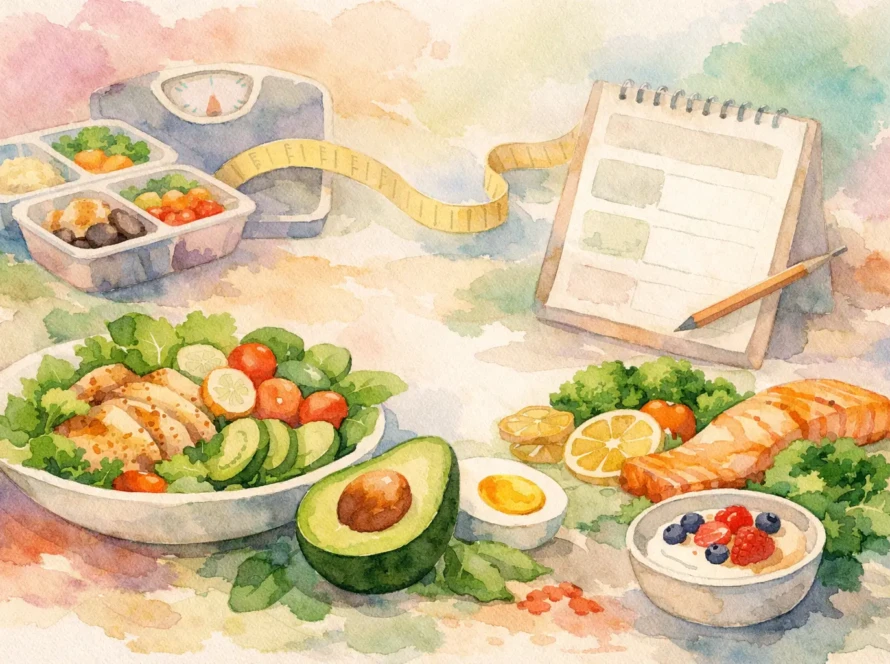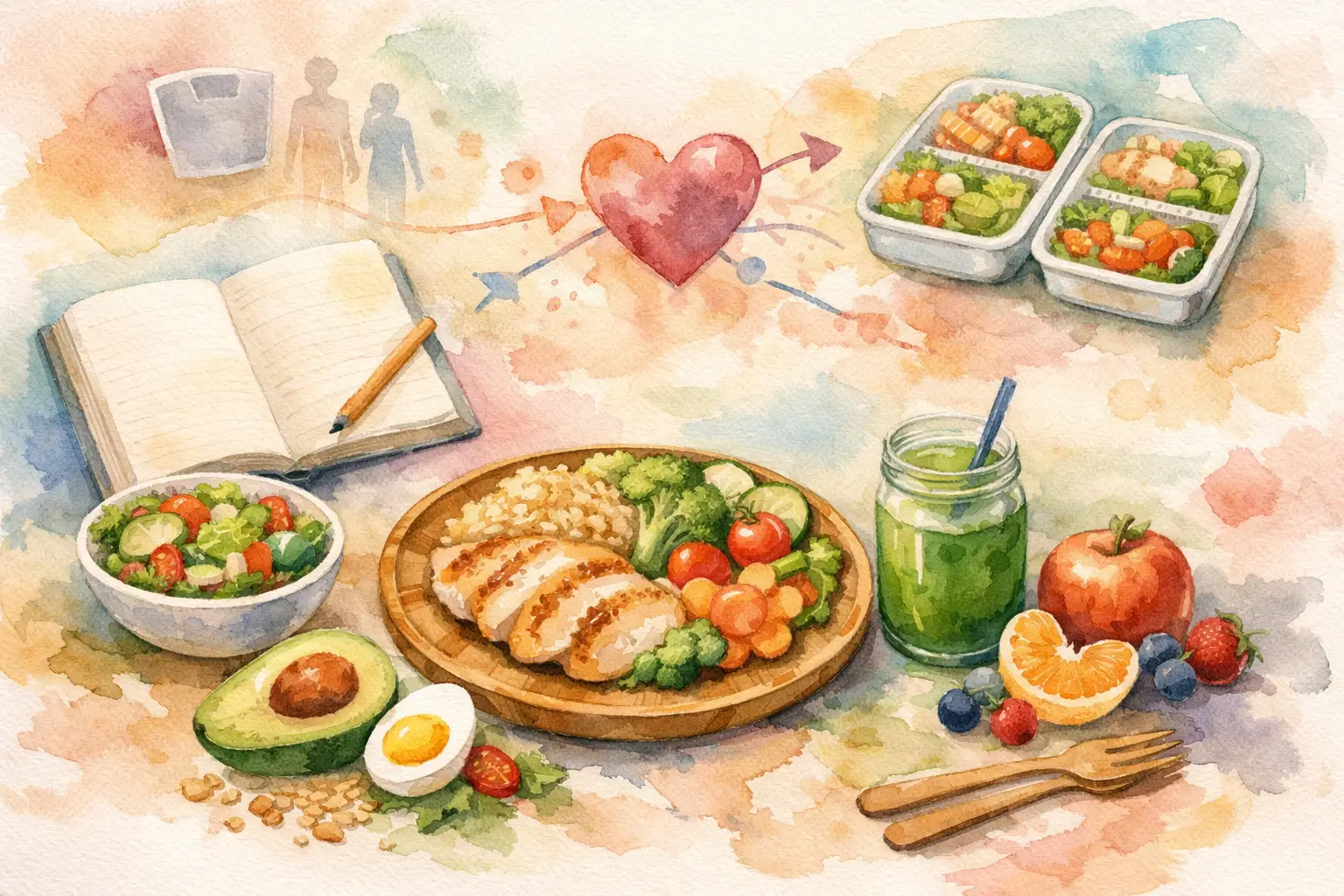
A meal plan should make a busy Tuesday easier, not turn every meal into a test of willpower. If you have ever downloaded a strict diet chart, followed it for three days and then returned to old habits, the problem was probably not your discipline. The plan simply did not fit your life. Learning how to build a personalised meal plan starts with understanding your body, your routine and the foods you genuinely enjoy eating.
A useful plan is not built around starving, skipping every social meal or buying expensive “diet” foods. It is built around consistent choices that support your goal – whether that is weight loss, better energy, improved fitness, pregnancy nutrition or managing a health condition.
Start with the outcome you want
“Eat healthy” is a positive intention, but it is too broad to guide daily decisions. Be specific about what you want your meal plan to achieve. You may want to lose weight gradually, gain muscle, reduce frequent snacking, improve cholesterol levels or manage blood sugar more steadily.
Your goal changes the structure of your meals. Someone training for a 10K needs enough carbohydrate around activity and sufficient protein for recovery. Someone with diabetes may need more attention to carbohydrate portions, meal timing and fibre. A new mother may need nourishing, convenient meals that support recovery and energy rather than an aggressive calorie cut.
Choose one main priority for the next eight to twelve weeks. You can still benefit in other areas, but a clear priority makes it easier to decide what belongs on your plate. Track progress using more than the weighing scale: energy, sleep, digestion, strength, waist measurements and how well clothes fit can all show meaningful change.
Understand your starting point before changing it
For three ordinary days, make a simple note of what you eat and drink, including tea, coffee, weekend treats, office snacks and late-night bites. There is no need to judge it. The purpose is to spot patterns.
You may find that breakfast is skipped because mornings are rushed, which leads to a large lunch. Or perhaps you eat balanced meals but underestimate how often biscuits, sugary drinks or takeaway orders appear during stressful weeks. These details matter more than trying to copy somebody else’s food routine.
Also consider your practical limits. Ask yourself when you wake up, when you commute, who cooks, how often you eat out and what food is available nearby. A plan that requires cooking three separate meals every day is unlikely to work for a working professional with a long commute. Your best plan is the one you can repeat when life is busy.
How to build a personalised meal plan around your plate
Instead of labelling foods as good or bad, create balanced meals using a simple plate structure. At lunch and dinner, aim for plenty of vegetables or salad, a clear protein source, a sensible carbohydrate portion and a small amount of healthy fat.
For example, a home-style meal might include dal or grilled chicken, two rotis or a portion of rice, sabzi and curd. Another option could be rajma with rice, cucumber salad and a bowl of yoghurt. For a quicker meal, an omelette with vegetables and wholegrain toast can work well. The foods can change, but the balance remains similar.
Protein is particularly helpful because it supports fullness, muscle maintenance and recovery. Include a protein source at each main meal where possible: eggs, fish, chicken, paneer, tofu, Greek yoghurt, dals, beans or chana are practical choices. Vegetarians can meet their needs well, but may need to plan protein more deliberately rather than relying mainly on rice, roti and potatoes.
Carbohydrates are not the enemy. They provide fuel for the brain, daily movement and exercise. The question is usually portion, quality and context. Oats, fruit, potatoes, rice, millets, wholegrain bread and rotis can all fit. If you are less active on a particular day, you may need a smaller portion than on a day with a gym session, a long walk or demanding physical work.
Plan meals around your real schedule
A personalised plan includes timing that feels manageable. Some people do well with three meals and one planned snack. Others prefer three meals with no snacks. There is no prize for eating every two hours, and there is no benefit in forcing intermittent fasting if it leaves you overeating later.
If you tend to get very hungry between lunch and dinner, add a filling snack before the cravings begin. Fruit with yoghurt, roasted chana, a handful of nuts with fruit, buttermilk, or paneer on toast can be more satisfying than reaching for crisps at 6 pm. Keep the choice simple enough to prepare or carry.
Breakfast deserves attention if skipping it leaves you drained or overly hungry. It does not need to be elaborate. Poha with peanuts, vegetable upma with curd, eggs on toast, overnight oats, besan chilla or yoghurt with fruit can be quick, balanced options. If you genuinely are not hungry early in the day, do not force a large meal. Plan a nourishing first meal for when you are ready to eat.
Keep favourite foods in the plan
The fastest way to make a plan feel temporary is to remove everything you enjoy. A personalised meal plan should make room for restaurant meals, family celebrations and favourite comfort foods. The key is to include them intentionally rather than treating one meal as a reason to abandon the whole week.
If Friday night is usually takeaway night, plan for it. Choose a meal with a protein source and vegetables where possible, eat slowly and return to your usual breakfast the next day. You do not need to compensate by starving, skipping meals or exercising excessively.
Portion awareness is useful here. You might enjoy biryani with raita and salad, share a starter, or have dessert occasionally without turning it into an everyday habit. Progress is shaped by your regular pattern, not one celebratory meal.
Prepare for the moments that usually derail you
Most eating decisions are made when you are tired, rushed, stressed or very hungry. Your meal plan needs a back-up strategy for those moments. Keep a few easy ingredients at home and a few portable options at work or in your bag.
Useful staples include frozen vegetables, eggs, yoghurt, fruit, tinned beans, roasted chana, oats, paneer, wholegrain bread and pre-cooked dal. With these, you can make a workable meal in minutes instead of ordering something by default. Batch-cooking one or two components, such as chopped vegetables, grilled chicken or a pot of dal, is often enough. You do not need to spend Sunday preparing every meal for the week.
Be honest about emotional eating too. Food can offer comfort, and that is human. But if stress regularly leads to eating beyond hunger, build another pause into the routine: make tea, take a ten-minute walk, call someone, or eat a planned snack at the table rather than directly from a packet. The goal is awareness, not perfection.
Adjust portions and habits with evidence
Give your plan two to three weeks before making major changes. If your energy is low, you are constantly hungry or workouts are suffering, the plan may be too restrictive. If weight loss is your goal and nothing is changing despite consistent proportions, meals may need adjusting – but first look at weekends, drinks, snacks and serving sizes without blame.
Sleep, stress, medication, menstrual cycles and medical conditions can all affect appetite and weight. This is why generic calorie targets can be misleading. People with thyroid concerns, diabetes, high blood pressure, digestive issues, kidney disease, pregnancy or a history of disordered eating should not rely on internet meal plans alone. Individual guidance can help make food choices safer and more effective.
A registered dietitian can also calculate appropriate energy and protein needs, interpret medical reports and adapt meals to your culture, budget and family routine. At LivFit Today, personalised nutrition support is designed around sustainable habits rather than restrictive diet charts, so your plan can work beyond the first motivated week.
Your next meal does not need to be perfect. Make it a little more balanced, make it practical for your day, and repeat that choice often enough for healthy eating to feel like your normal life.