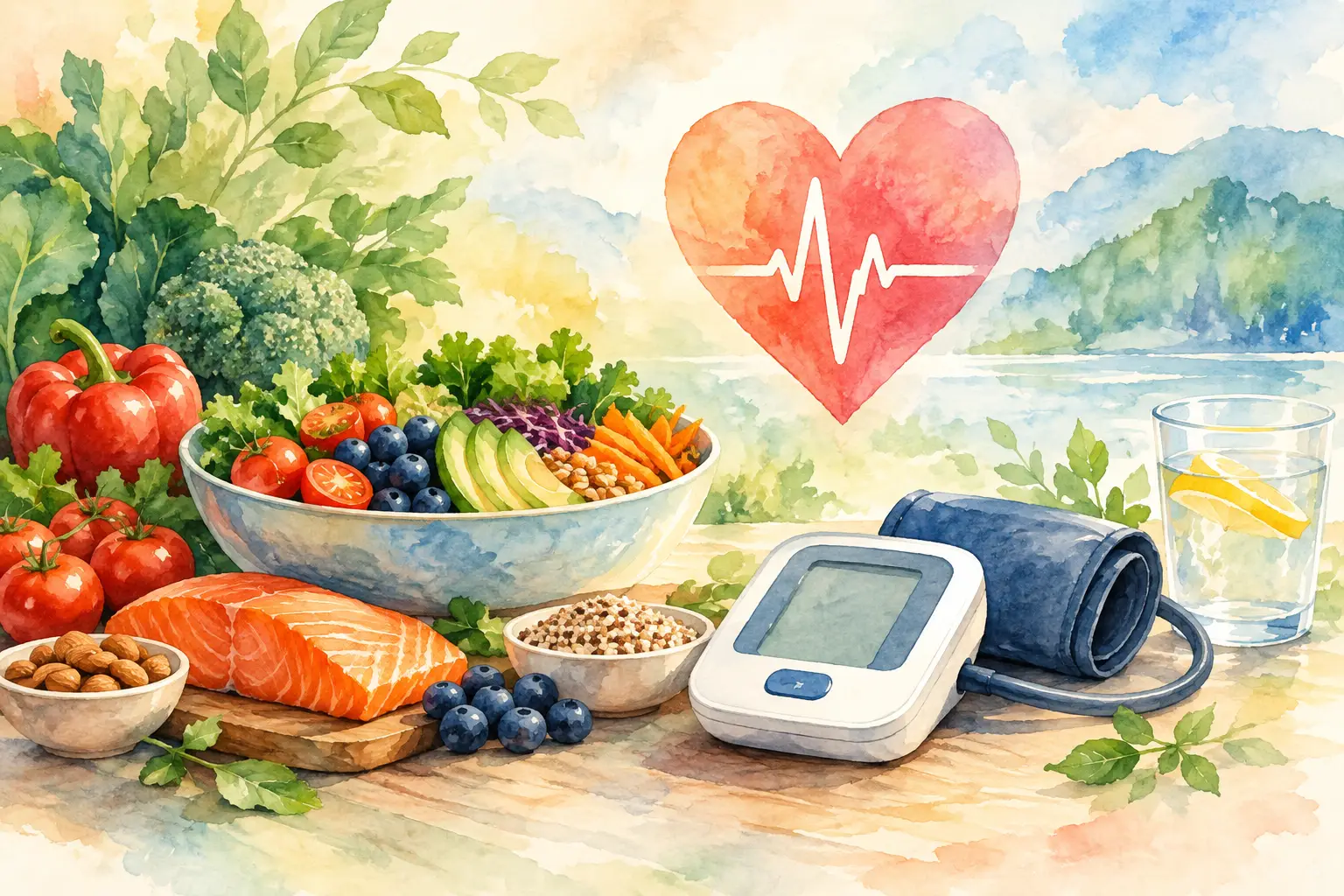
A blood pressure reading can feel like a warning that arrives without obvious symptoms. You may feel perfectly well, yet repeated high readings can place extra strain on the heart, blood vessels, kidneys and brain. The encouraging part is that hypertension diet results are often visible in more than one way: steadier home readings, less reliance on heavily processed foods, improved energy and, for some people, gradual weight loss.
Food is not a replacement for prescribed treatment, and nobody should stop or alter blood pressure medicine without their clinician’s advice. But a well-planned eating pattern can make a meaningful difference alongside medical care. The aim is not to live on bland food or follow a short-term detox. It is to build meals that support lower blood pressure while still fitting workdays, family dinners, travel and the foods you genuinely enjoy.
What hypertension diet results look like in real life
Many people expect a diet to produce one dramatic number overnight. Blood pressure does not usually work that way. Results depend on your starting reading, sodium intake, body weight, sleep, stress, alcohol intake, activity levels, medicines and conditions such as diabetes or kidney disease.
For some, home readings begin to improve within a few weeks of cutting back on salty packaged foods and eating more fruit, vegetables, pulses and minimally processed meals. Others need longer, especially if weight loss, medication adjustments or several lifestyle changes are involved. A useful result is not simply one low reading after a quiet day. It is a downward trend measured consistently over time.
You may also notice practical changes before the numbers shift much: fewer salty snack cravings, more regular meals, better digestion, less afternoon tiredness and a stronger sense of control around food. These habits matter because blood pressure management works best when it is maintainable, not when it is extreme for ten days and abandoned afterwards.
The eating pattern behind better blood pressure
The principles are straightforward. Build most meals around vegetables, fruit, wholegrains, beans or lentils, nuts and seeds in sensible portions, and protein such as pulses, fish, eggs, yoghurt, chicken or tofu. Choose unsaturated fats from foods such as nuts, seeds and olive, mustard or groundnut oil, while keeping fried foods and rich bakery items occasional.
The bigger change for many households is reducing sodium. Sodium is not only the salt shaken over a meal. It is commonly hidden in pickles, papads, instant noodles, ready-made soups, sauces, crisps, salted nuts, biscuits, processed meats, restaurant gravies and packaged savoury snacks. A home-cooked meal can still be high in salt if several salty ingredients are used together.
Rather than making every meal taste flat, bring flavour from lemon, herbs, garlic, ginger, cumin, coriander, pepper, chilli, vinegar and roasted spices. If your family is used to salty food, reduce the amount gradually. Taste buds adapt, and a slow change is far more likely to last.
Potassium-rich foods can support healthy blood pressure for many people. Bananas, oranges, tomatoes, spinach, beans, yoghurt, potatoes, sweet potatoes and coconut water can contribute, but more is not always better. People with kidney disease or those taking certain medicines may need individual guidance on potassium. This is one reason a generic diet chart cannot safely suit everyone.
A realistic plate, not a restrictive menu
At lunch or dinner, aim for roughly half the plate as vegetables or salad, one quarter as protein, and one quarter as a high-fibre carbohydrate such as brown rice, millets, wholewheat roti, oats, quinoa or sweet potato. Portion sizes should reflect your appetite, activity level, weight goal and medical needs.
Breakfast does not need to be complicated. Vegetable poha with peanuts, oats with yoghurt and fruit, besan chilla with a vegetable filling, eggs with wholegrain toast, or idli with a vegetable-based sambar can all work well. The detail that matters is how the dish is prepared: limit extra salt, avoid frequent fried sides and do not let a packaged breakfast become your daily default.
If you eat out regularly, focus on the pattern rather than trying to find a perfect menu. Order a grilled or lightly cooked protein, vegetables and a simple carbohydrate where possible. Ask for sauces and dressings separately, share richer dishes, and avoid adding salt before tasting. One restaurant meal does not undo your progress. The weekly routine matters more.
How to measure progress properly
Home monitoring helps you see whether your efforts are working. Use a validated upper-arm monitor if possible, sit quietly for five minutes, keep your feet flat on the floor and rest your arm at heart level. Avoid caffeine, smoking and exercise for around 30 minutes beforehand. Take two readings a minute apart and record the average, ideally at similar times of day.
Do not judge the plan from a single stressful morning. Bring a log of readings, meals, activity, sleep and medication to your appointment. It can reveal patterns that are easy to miss, such as higher readings after late takeaway dinners, poor sleep or a hectic work week.
Weight can be useful to track if weight loss is one of your goals, because losing even a modest amount may support lower blood pressure. Still, the scales are not the only marker. Waist measurements, regular readings, stamina and the ability to keep your routine during busy periods often tell a more complete story.
Common reasons results stall
A healthy-looking diet can still be too high in salt. This often happens when home meals are balanced but packaged snacks, chutneys, pickles, restaurant food or frequent delivery meals fill the gaps. Check labels and compare products rather than assuming that a food labelled ‘healthy’ is low in sodium.
Another common issue is being overly strict from Monday to Friday and then treating the weekend as a break from every habit. You do not need perfection, but blood pressure responds to your overall intake. Plan enjoyable meals out without turning them into two days of excess salt, alcohol and skipped sleep.
Alcohol deserves an honest conversation too. For some people, reducing how often and how much they drink can improve readings. Stress management and movement matter as well. A brisk walk, cycling, swimming, yoga or strength training can support heart health, but choose an activity you can repeat. A punishing routine that disappears after two weeks is not the goal.
When personalisation matters most
If you have diabetes, kidney disease, thyroid concerns, pregnancy-related blood pressure changes, a history of heart disease, or take regular medication, seek personalised nutrition advice. The right balance of carbohydrates, protein, potassium, fluids and calories can differ significantly. Pregnancy is particularly not the time for weight-loss dieting without clinical guidance.
Seek urgent medical care for very high blood pressure readings, especially if they come with chest pain, severe headache, breathlessness, weakness, confusion, vision changes or difficulty speaking. Nutrition supports treatment, but urgent symptoms need urgent assessment.
At LivFit Today, a personalised plan looks beyond a list of foods to avoid. It considers your health history, cooking routine, work schedule, cultural food preferences and the moments when healthy intentions usually slip. That makes it easier to build changes you can actually follow.
Give the plan enough time to work
A sustainable hypertension-friendly diet is not punishment for a high reading. It is a practical way to care for your future self at breakfast, during the office lunch rush and at the family table. Start with one change you can repeat this week, whether that is replacing a salty evening snack, cooking more meals at home or recording your readings accurately. Small choices, repeated calmly, are where meaningful change begins.