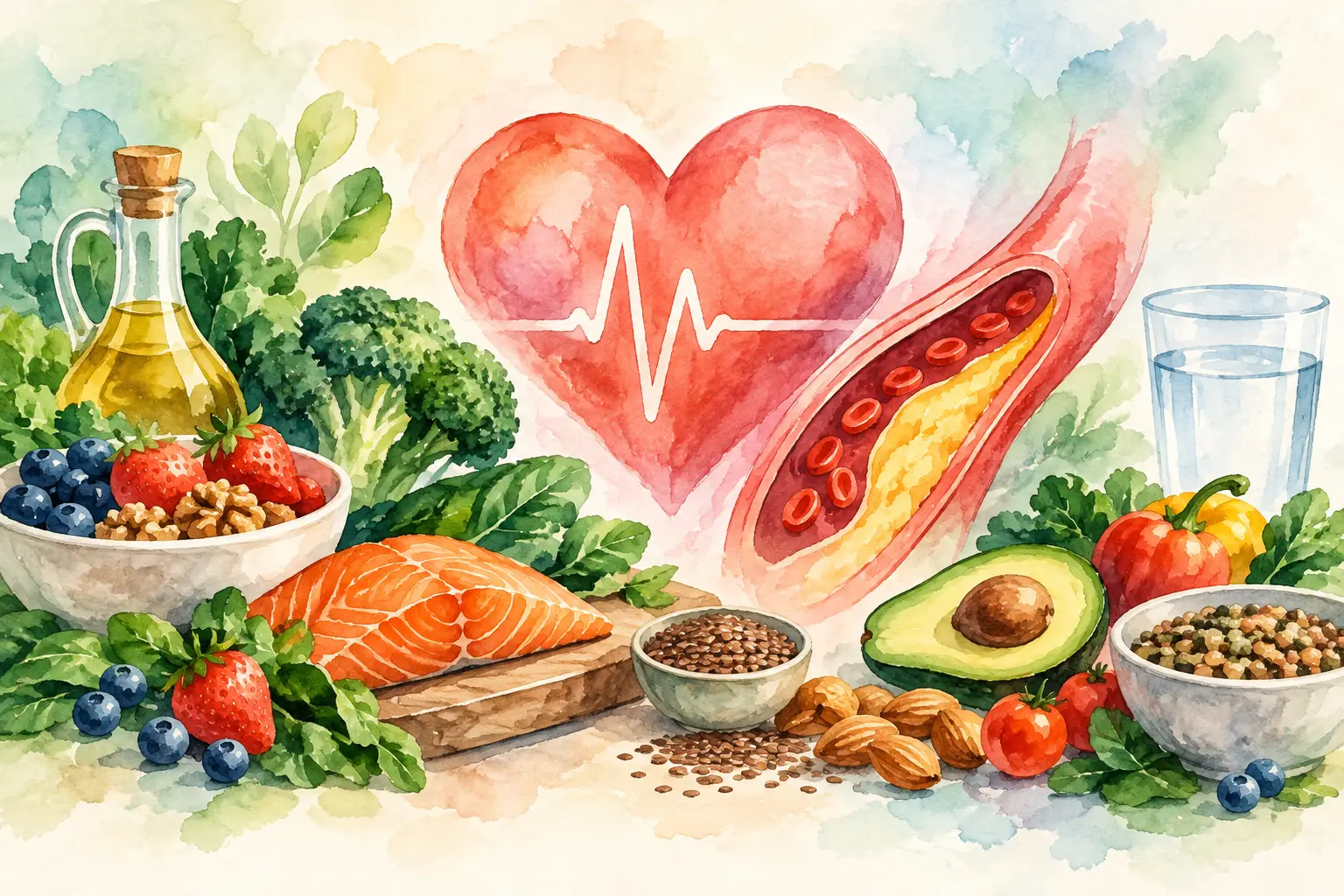
A cholesterol result can feel worrying, particularly when you already feel that most meals are rushed between work, family responsibilities and commuting. The encouraging answer is yes: can nutrition improve high cholesterol? For many people, it can make a meaningful difference to LDL cholesterol, often called the ‘bad’ cholesterol. But the best results rarely come from cutting out every food you enjoy. They come from consistent, realistic changes that suit your health needs and daily routine.
High cholesterol is not usually something you can feel. You may be active, at a healthy weight, or eating what seems like a sensible diet and still have raised readings. Genetics, age, menopause, diabetes, thyroid concerns, body weight, alcohol intake and some medicines can all affect cholesterol. That is why a personalised approach is more useful than following a restrictive plan from social media.
Can Nutrition Improve High Cholesterol?
Nutrition can lower LDL cholesterol by changing the types of fat, fibre and minimally processed foods you eat most often. For some people, these shifts lead to a clear improvement at their next blood test. For others, especially those with very high levels or a strong family history, food changes are still valuable but may need to work alongside prescribed medication.
The goal is not to label foods as completely ‘good’ or ‘bad’. It is to make your usual eating pattern more supportive of heart health. A weekend takeaway or a festive meal is not the problem. What matters more is what breakfast, lunch, snacks and dinners look like across most weeks.
LDL cholesterol can build up in artery walls over time, raising the risk of heart disease and stroke. HDL cholesterol has a different role, helping carry cholesterol away from the bloodstream. Triglycerides, another blood fat, may also be raised with excess alcohol, sugary drinks, refined carbohydrates, uncontrolled diabetes or weight gain. Your full lipid profile matters more than one number alone.
Focus on the Changes That Matter Most
Replace saturated fats rather than simply eating less
One of the most effective dietary steps is reducing saturated fat and replacing it with unsaturated fat. Saturated fat is common in ghee, butter, cream, full-fat cheese, fatty cuts of meat, sausages, bakery foods, pastries, biscuits and many fried or packaged snacks. Coconut oil and palm oil are also high in saturated fat, even though they are often marketed as healthier choices.
This does not mean you need to remove all fat from your meals. Your body needs dietary fat, and flavour matters if a plan is going to last. The useful swap is choosing modest portions of oils such as olive, mustard, groundnut or rapeseed oil; adding nuts and seeds; and choosing fish, pulses, tofu, beans or leaner protein options more often.
For example, rather than adding a large spoonful of ghee to every meal, use a smaller amount for taste and let vegetables, herbs, spices, lemon and yoghurt build flavour. Instead of buttered toast and processed meat at breakfast, try porridge with fruit and nuts, eggs with vegetables, or a vegetable poha made with minimal oil.
Make soluble fibre a daily habit
Soluble fibre is particularly helpful because it binds with cholesterol in the digestive system and helps the body remove it. Oats, barley, beans, lentils, chickpeas, apples, pears, citrus fruit, okra, aubergine and psyllium husk are useful sources.
A bowl of oats is not a magic cure, but regular fibre intake can be powerful when it is part of a wider pattern. Add oats or barley to breakfast, have dal, chana or rajma as a regular protein choice, and include vegetables in both lunch and dinner. If you currently eat little fibre, increase it gradually and drink enough water to avoid bloating or discomfort.
Whole grains can help too. Choose wholemeal roti, brown or red rice, millets, wholegrain bread or high-fibre cereals when they suit your preferences. Portion size still matters, particularly if you are managing diabetes or weight, but cutting carbohydrates completely is usually unnecessary and difficult to maintain.
Choose protein with heart health in mind
Protein supports fullness and helps make meals more balanced. The source matters. Pulses, beans, lentils, soya, tofu, low-fat yoghurt, fish, skinless chicken and eggs can all fit into a cholesterol-conscious plan.
Oily fish such as salmon, sardines or mackerel provides omega-3 fats, which can be especially helpful for high triglycerides. Aim to include it regularly if you eat fish and it is practical for you. If you are vegetarian, walnuts, chia seeds, flaxseeds and soya foods are useful choices, though they are not identical replacements for oily fish.
Eggs do not need to be feared by everyone with high cholesterol. For most people, the wider pattern of saturated fat and fibre has a greater impact than an occasional egg. If your clinician has advised a specific limit because of your personal health history, follow that advice.
Be selective with ultra-processed food
Many foods that raise cholesterol do so quietly because they are easy to eat frequently. Think creamy coffees, office biscuits, namkeen, packaged desserts, instant noodles, fried snacks, pizza, burgers and takeaway meals heavy in cheese or creamy sauces. These foods can combine saturated fat, salt, refined starch and large portions.
You do not need a perfect kitchen routine to improve your choices. Keep convenient options available: fruit, roasted chana, plain yoghurt, nuts in a measured portion, hummus, boiled eggs, leftovers, vegetable soup or a simple dal and salad. Planning even two or three dependable meals makes it less likely that hunger will decide for you at 8 pm.
Weight, Movement and Alcohol Also Affect Your Results
If you have excess weight, even a modest and steady reduction can improve cholesterol and triglycerides. Crash diets may produce quick scale changes but often lead to hunger, low energy and rebound eating. A balanced calorie deficit, with enough protein and fibre, is more likely to give results you can maintain.
Regular movement supports heart health too. Brisk walking, cycling, swimming, strength training or any activity you enjoy can improve fitness and support weight management. Start where you are. A consistent 20-minute walk after dinner is more valuable than an ambitious plan that lasts four days.
Alcohol deserves an honest look, particularly when triglycerides are high. Reducing frequency and quantity may improve results. Smoking also increases cardiovascular risk, so cholesterol management should be part of a broader plan for protecting your heart.
When Food Changes May Not Be Enough
Nutrition is powerful, but it is not a replacement for medical assessment. Speak with your GP or treating clinician if your cholesterol is significantly raised, you have diabetes, high blood pressure, kidney disease, thyroid disease, chest pain, a history of heart disease, or close family members with early heart problems or very high cholesterol.
Some people have familial hypercholesterolaemia, an inherited condition that can cause very high LDL levels despite healthy habits. In these cases, medication may be essential. Taking a statin or other cholesterol-lowering medicine is not a sign that you have failed. It is one part of reducing long-term risk, and nutrition still supports the treatment.
Avoid stopping prescribed medication because your diet has improved unless your clinician reviews your blood results and advises it. Cholesterol management works best when your food choices, activity, medical history and treatment plan are considered together.
A Realistic Starting Point for Healthier Cholesterol
Begin with two changes you can repeat this week. You might switch from a butter-heavy breakfast to oats and fruit, add a serving of dal or beans four times a week, pack nuts or fruit for afternoon hunger, or make half your dinner plate vegetables. Once these habits feel normal, build on them.
At LivFit Today, we believe healthy living should not feel like punishment. A personalised plan can account for your cholesterol numbers, cultural food preferences, work schedule, cooking time, weight goals and any conditions such as diabetes or thyroid imbalance. The right plan is not the strictest one. It is the one you can follow long enough for your next blood test to reflect the effort you are making.
Your cholesterol result is useful information, not a verdict. Give yourself a practical starting point, seek professional support when needed, and let consistent everyday meals do the quiet work of protecting your future health.