A cup of sweet chai on an empty stomach, a rushed breakfast, long gaps between meals and a heavy dinner can make blood glucose harder to manage than any single food ever will. Learning how to plan meals with diabetes is not about living on salads or giving up every favourite dish. It is about creating a predictable eating pattern that supports steadier energy, better glucose readings and meals you can enjoy with your family.
Diabetes meal planning should fit your medicines, work schedule, appetite, culture and health goals. A plan for someone taking insulin will not look exactly like one for a person managing early type 2 diabetes through lifestyle changes. That is why sustainable nutrition works better than a strict diet chart copied from the internet.
Start with a regular meal rhythm
Your body usually responds better when meals are spaced consistently through the day. Skipping breakfast to compensate for a large meal the night before can lead to intense hunger later, larger portions and more variable blood glucose. For many people, three balanced meals with one planned snack, if needed, is a practical starting point.
The exact timing depends on your routine. A working professional with a 45-minute commute may need a portable breakfast, while someone who exercises early may need a small snack before training. If you use insulin or tablets that can lower glucose, your meal timing must be coordinated with your prescribing clinician’s advice. Do not delay or skip meals simply to reduce calories without checking how this affects your medication and glucose levels.
Regular does not mean eating every two hours. It means avoiding the cycle of barely eating all day and overcompensating at night. Aim to build a rhythm you can repeat on office days, weekends and while travelling.
How to plan meals with diabetes using the balanced plate
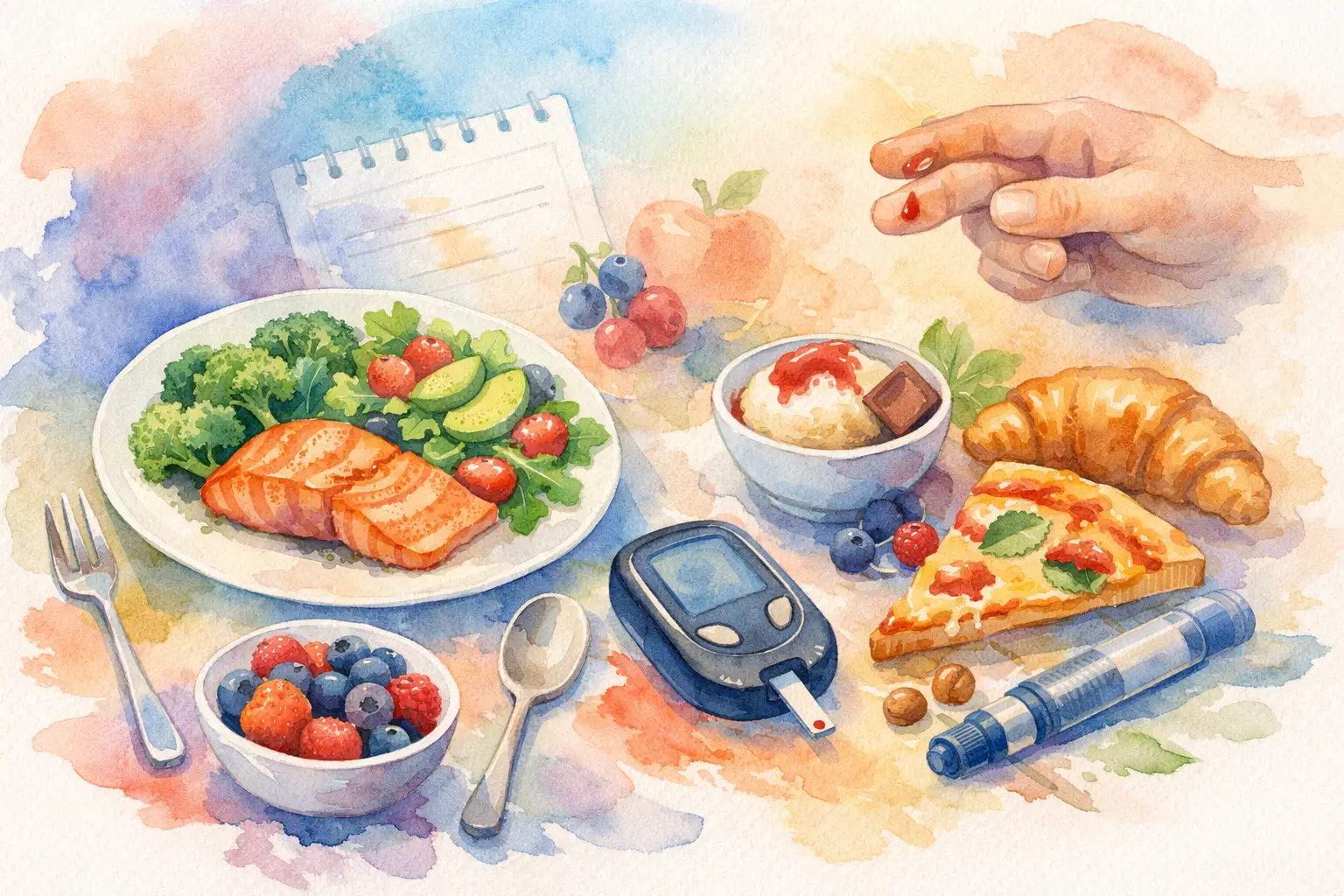
A balanced plate is one of the simplest ways to organise meals without counting every calorie. At lunch and dinner, fill roughly half your plate with non-starchy vegetables, one quarter with protein and one quarter with high-fibre carbohydrate foods. Add a small amount of healthy fat where appropriate.
Non-starchy vegetables include bhindi, lauki, tori, beans, cauliflower, cabbage, spinach, mushrooms, cucumber, tomato, carrots and salad leaves. They add volume, fibre and micronutrients without making the meal overly heavy in carbohydrates.
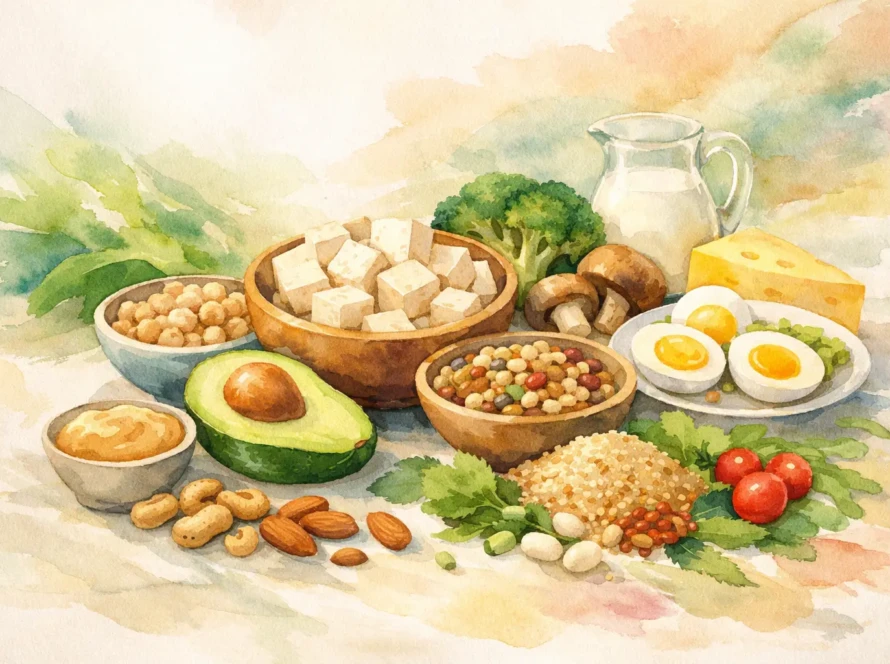
Protein is essential because it helps with fullness and supports muscle health. Good options include dal, chana, rajma, curd, paneer, tofu, eggs, fish, chicken and lean meat. Vegetarian meals can be especially satisfying when dal is paired with vegetables and a measured portion of roti or rice rather than relying mainly on starch.
Carbohydrates are not the enemy in diabetes. Your body needs them, but portion, quality and consistency matter. Choose foods such as whole-wheat roti, oats, brown or hand-pounded rice, millets, quinoa, sweet potato, beans and fruit more often. These are generally richer in fibre and tend to be more filling than refined choices such as white bread, bakery snacks, sugary cereals and large portions of polished rice.
A practical Indian lunch could be two small rotis, mixed vegetable sabzi, a bowl of dal and salad. Another option is a measured serving of rice with fish curry, sautéed vegetables and curd. Neither meal needs to feel like punishment. The difference lies in the balance on the plate and the portion served.
Portion size still matters
Even nutritious foods can raise blood glucose if the amount is too large. A common mistake is adding several carbohydrate foods to one meal – for example, rice, two rotis, potato sabzi, dal and dessert. Each food may be familiar and wholesome, but together they can create a high carbohydrate load.
Choose one main starch at a meal: roti, rice, millet, bread or potato. Dal and legumes also contain carbohydrates, but they bring protein and fibre, so they can remain part of a balanced meal. Your ideal serving depends on body size, activity, medications, weight goals and glucose readings. There is no one portion rule that suits everyone.
Using a smaller bowl for rice, serving food onto a plate rather than eating from a shared dish, and pausing before a second helping are simple habits that make portions easier to manage without weighing food every day.
Build breakfasts that do not leave you hungry by 11 am
Many breakfast choices are high in quickly absorbed carbohydrates and low in protein. Toast with jam, sweetened cereal, biscuits and a large glass of juice may feel convenient, but they often lead to a rapid rise and fall in energy.
Instead, combine fibre-rich carbohydrates with protein. Vegetable oats with curd, besan chilla with paneer filling, eggs with wholegrain toast and vegetables, moong dal cheela, or plain yoghurt with nuts and fruit can work well. Poha and upma can also fit into a diabetes-friendly plan when portioned sensibly and paired with peanuts, sprouts, eggs or curd.
Fruit is not forbidden. Whole fruit contains fibre and can be a valuable part of your diet. It is usually wiser to have one portion at a time, preferably alongside or after a meal, rather than drinking fruit juice. Juice concentrates sugar and removes much of the fibre that slows absorption.
Plan snacks for real life, not perfection
The best snack is often the one that prevents you arriving home so hungry that dinner becomes difficult to manage. If there is a long gap between meals, plan something satisfying rather than relying on office biscuits or fried snacks.
A small handful of nuts, roasted chana, unsweetened yoghurt, buttermilk, a boiled egg, vegetable sticks with hummus, or one piece of fruit with a few nuts are useful options. Pack your snack before leaving home when possible. This is particularly helpful in busy cities where convenience usually means pastries, crisps or sugary drinks.
Tea and coffee can stay in your routine, but consider the extras. Multiple teaspoons of sugar, flavoured syrups and frequent biscuits can add more to glucose levels than the beverage itself. Gradually reducing sugar is often more realistic than making a sudden change you cannot maintain.
Make dinner lighter, not joyless
Late dinners are common in busy households, but a large, carbohydrate-heavy meal close to bedtime may affect overnight and morning glucose for some people. Keep dinner balanced and avoid treating it as the day’s only proper meal.
Try a vegetable-rich meal with dal, grilled chicken, fish, tofu or paneer, alongside one measured carbohydrate portion. If you are genuinely hungry after dinner, assess whether breakfast and lunch were adequate before blaming evening cravings on a lack of willpower. Under-eating earlier is often the real issue.
Desserts and festive foods can still have a place. The useful question is not, “Can I ever eat this?” but “What portion and frequency work with my health goals?” Have a small serving after a balanced meal rather than on an empty stomach, and avoid turning one celebration into several days of unrestricted eating.
Use glucose readings as feedback, not judgement
If you monitor blood glucose at home, your readings can help you identify patterns. You may notice that a particular breakfast leaves you steady, while a restaurant meal causes a significant rise. Record the meal, portion, timing, activity and reading for a few days before making major changes.
Do not judge yourself over an occasional high reading. Stress, poor sleep, illness, menstrual cycles and medication changes can all affect glucose. Look for repeated patterns and discuss them with your doctor or dietitian. A personalised plan may need adjustments to carbohydrate distribution, protein intake, weight management targets or medication timing.
A simple weekly planning routine
Set aside 15 minutes before your food shop or grocery order. Decide on two breakfast options, two to three lunch and dinner combinations, and a few reliable snacks. Batch-cook vegetables, dal or grilled protein where possible, then keep rotis, rice or millet portions flexible for the day.
Keep the ingredients visible and convenient. Washed vegetables, boiled eggs, plain curd, roasted chana and pre-portioned nuts make a better choice easier when you are tired. Planning is not about eating the same menu every day. It is about reducing last-minute decisions that usually lead to oversized portions or highly processed foods.
If you live with family, avoid cooking an entirely separate “diabetes meal” unless medically necessary. The same balanced food can work for everyone, with adjustments to portion size and additions. This makes change more sustainable and helps children learn healthy eating habits without labelling foods as good or bad.
A diabetes-friendly meal plan should help you feel supported, not controlled. Start with one repeatable change this week – perhaps a protein-rich breakfast or a more balanced lunch plate – and let your routine build from there. Small choices, practised consistently, can become the steady foundation your health needs.