Monday starts well until breakfast is a biscuit with chai, lunch becomes whatever is quickest, and dinner turns heavy because the whole day ran on too little food. That is exactly why a healthy Indian meal plan example needs to be practical, filling and built for real schedules. The goal is not to eat less at all costs. The goal is to eat in a way that supports steady energy, better portion control and results you can actually maintain.
For many adults, especially in busy cities, healthy eating goes wrong not because Indian food is unhealthy, but because timing, portions and balance are off. Meals become too cereal-heavy, protein gets neglected, vegetables are treated like a side note, and long gaps between meals lead to overeating later. A better plan does not remove familiar foods. It organises them more intelligently.
What makes a healthy Indian meal plan example work
A good plan is balanced across the day. That means each main meal should usually include a source of protein, a sensible portion of carbohydrates, vegetables or fruit, and enough healthy fat to keep you satisfied. If one meal is too light, another meal often becomes too heavy. If breakfast is mostly refined carbs, cravings can show up by mid-morning.
Indian meals can work very well for weight management and overall health because they are naturally adaptable. Dal, curd, paneer, eggs, fish, chicken, roti, rice, millets, sabzi, sprouts, nuts and fruit all fit comfortably into a healthy structure. The issue is rarely the cuisine itself. It is more often the pattern – too much fried food, too many sweets, oversized rice portions, or restaurant meals replacing home food too often.
It also depends on your goal. A person trying to lose weight after pregnancy, someone managing diabetes, and a gym-goer aiming to improve performance will not eat exactly the same way. Still, the example below gives a strong starting point for a typical adult who wants better health, improved portion control and sustainable fat loss.
A healthy Indian meal plan example for one day
Early morning
Start with water. If you enjoy tea or coffee, have it without excessive sugar. Some people do well with soaked almonds or a small fruit first thing, while others prefer waiting until breakfast. There is no prize for forcing an early snack if you are not hungry.
Breakfast
Vegetable besan chilla with mint curd works well because it combines protein and fibre. Two medium chillas with a bowl of curd can keep you full far longer than toast and tea alone. If you prefer a South Indian option, idli with sambar is a better choice than idli with only coconut chutney because the sambar adds more protein and vegetables.
Another solid breakfast is vegetable oats cooked with peas and carrots, plus boiled eggs or paneer on the side. The principle matters more than the exact dish – breakfast should not be only starch.
Mid-morning
Choose one simple option such as guava, apple, papaya or orange. If fruit alone does not satisfy you, pair it with a small handful of nuts or seeds. This helps prevent the sharp hunger that often leads to overeating at lunch.
Lunch
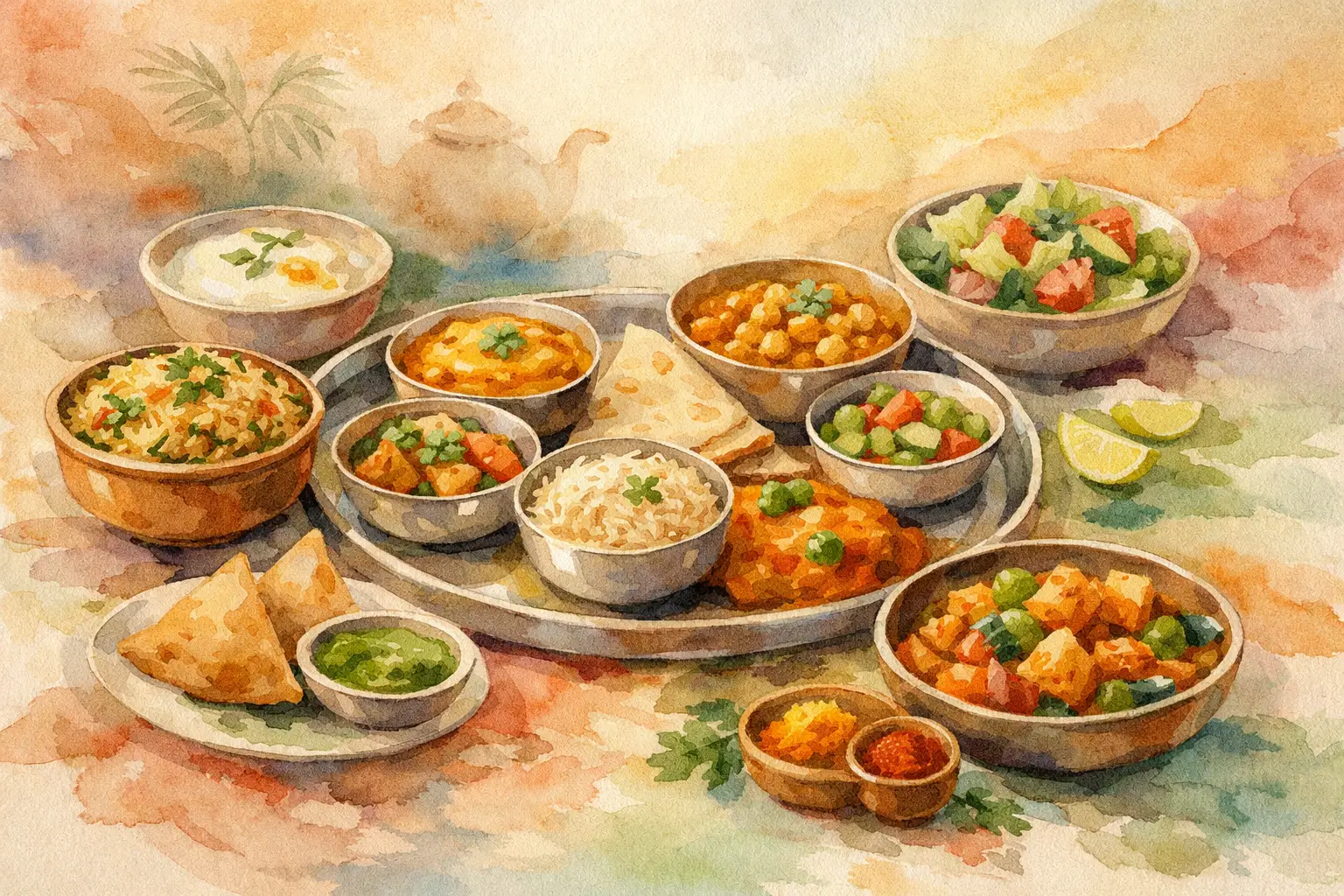
A balanced lunch could be two medium rotis, one bowl of dal, one bowl of mixed sabzi, salad and a bowl of plain curd. If you prefer rice, one modest serving of rice with rajma or chole, sabzi and salad can work just as well. Rice is not the problem. The total meal balance is what matters.
For non-vegetarians, grilled chicken, fish curry or egg curry can replace dal or be combined with a smaller dal portion depending on appetite. Try not to build lunch around only roti and sabzi with very little protein. That is one reason many people feel hungry again within two hours.
Evening snack
This is where many plans fail. A long workday often brings tea with namkeen, biscuits or something fried. A better snack could be roasted chana, sprouts chaat, buttermilk, a paneer sandwich made with wholemeal bread, or a boiled egg with fruit. You do not need a fancy recipe. You need a snack that actually holds you.
Dinner
Dinner should be lighter than lunch for many people, but not so small that late-night hunger kicks in. A useful option is one to two rotis with paneer bhurji and sautéed vegetables. Another is vegetable khichdi with curd and salad. Soup can be included, but soup alone is rarely enough unless it contains dal, chicken or paneer and is paired with something more substantial.
If dinner is late, keep portions moderate and avoid making it the biggest meal of the day. Heavy takeaways at 10 pm are hard to balance, even if breakfast and lunch were good.
After dinner
If you genuinely want something sweet, keep it small and deliberate. A couple of dates, a square of dark chocolate or a few spoonfuls of kheer on occasion is very different from mindless dessert eating every night. Healthy eating should include flexibility, but not daily overcompensation.
How to adapt this healthy Indian meal plan example
The best meal plan is the one you can repeat. If your mornings are rushed, choose breakfasts that can be prepared quickly, such as overnight oats with curd and fruit, egg bhurji rolls, or poha with peanuts and extra vegetables. If you travel to the office, pack lunch instead of depending on canteen food five days a week.
For vegetarians, protein needs extra attention. That does not mean relying only on protein powders. Regular use of dal, curd, paneer, tofu, milk, sprouts, chana, rajma and soy can make a meaningful difference. If your meals are mostly roti, rice and potatoes, hunger and low satiety are almost guaranteed.
For those managing diabetes or insulin resistance, the same broad structure still applies, but carbohydrate portions, meal timing and fruit choices may need tighter control. Pairing carbs with protein and fibre becomes even more valuable. For thyroid issues, PCOS or high blood pressure, personal adjustments matter too. Generic plans can help, but tailored advice is often where progress becomes faster and more consistent.
Common mistakes that make a healthy plan feel ineffective
People often say they are eating healthy but not seeing results. Usually, the issue is not one meal. It is the pattern across the week. Weekend overeating, frequent restaurant meals, sugary drinks, oversized healthy snacks and irregular timing can quietly undo weekday effort.
Another common problem is under-eating through the day and over-eating at night. This can happen to working professionals, parents and anyone trying to be too strict. Skipping meals may look disciplined, but it often backfires by increasing cravings and reducing control later.
There is also the problem of food labelling. A smoothie can be high in calories. Granola can be sugar-heavy. Multigrain biscuits are still biscuits. Even homemade food needs portion awareness if weight loss is the goal.
Portion guidance without making meals stressful
You do not need to weigh every ingredient forever. A simple visual method can work for many people. At lunch and dinner, aim for about a quarter of the plate from protein foods, a quarter from grains or starches, and the remaining half from vegetables and salad. Add curd, buttermilk or a small amount of healthy fat as needed.
This is not rigid. Some meals will be more carb-based, such as idli or upma, while others will be more protein-based, such as eggs with vegetables. What matters is the day as a whole. If breakfast was lighter on protein, improve lunch. If dinner is later than usual, avoid turning it into a feast.
When a sample plan is not enough
A sample plan is useful, but it cannot account for your medical history, activity level, sleep, stress, digestion, food preferences and family routine. That is why some people follow online diet charts very sincerely and still feel stuck. They are trying to force a generic structure onto a very specific body and lifestyle.
At LivFit Today, this is where personalised planning makes the real difference. A working woman with PCOS, a man trying to lose abdominal fat, a pregnant client needing balanced nutrition, and a parent concerned about a child’s eating habits all need different decisions around portions, meal spacing and food choices. Sustainable results usually come from that level of precision, not from random restriction.
A healthy Indian way of eating should feel steady, not punishing. It should leave you better fed, not constantly battling hunger. Start with one realistic day, repeat what works, and adjust with intention. The plan that changes your health is usually not the most extreme one. It is the one you can keep showing up for.