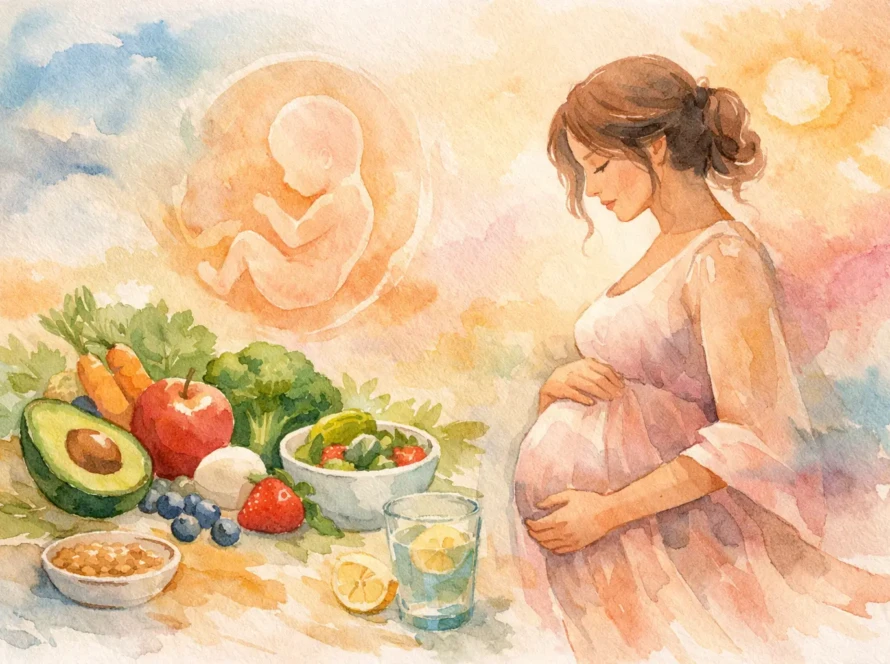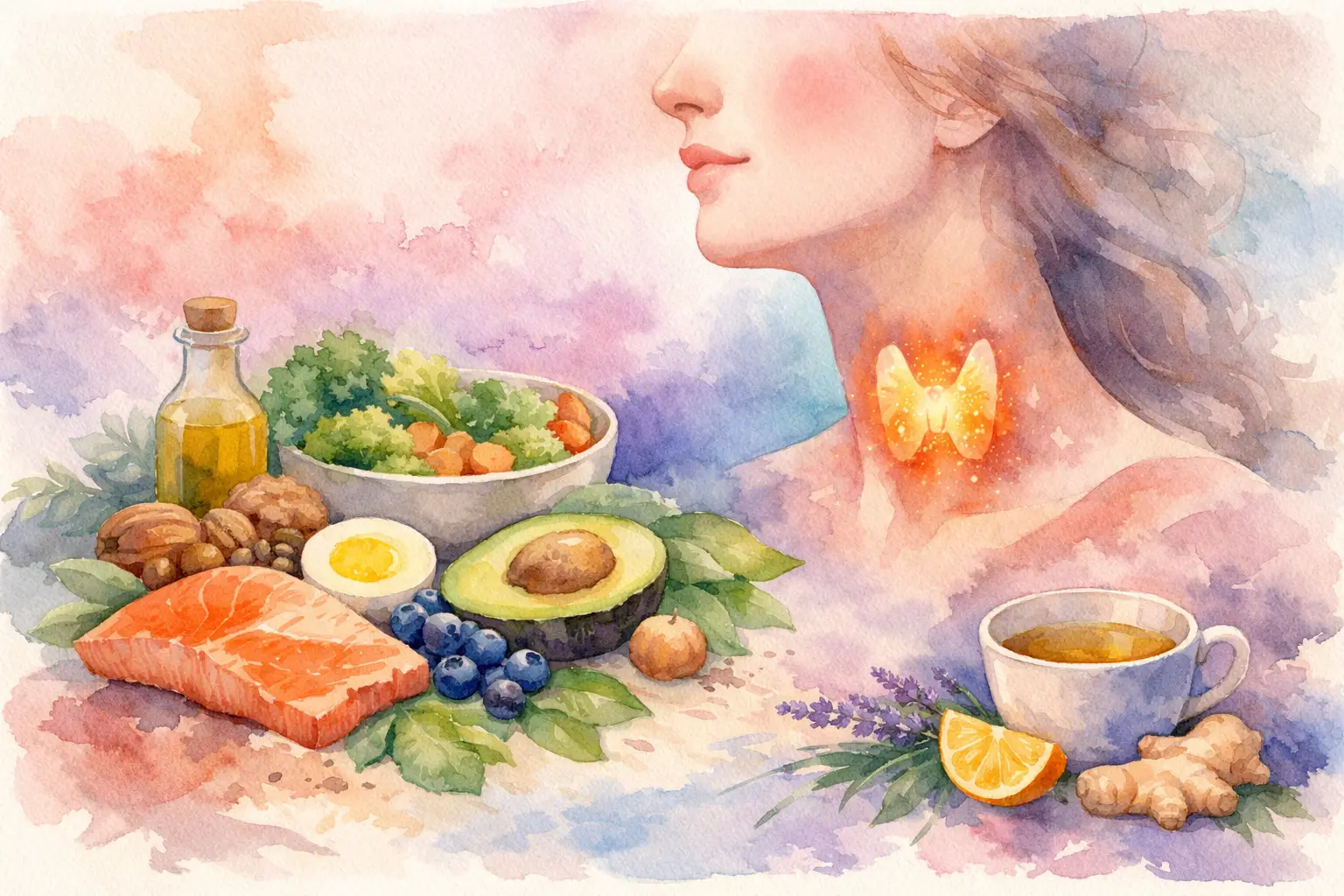
When your thyroid is underactive, food can feel confusing fast. One person tells you to avoid gluten, another says eat more iodine, and someone else blames every carb on your symptoms. If you are wondering what to eat with hypothyroidism, the most useful answer is not a crash diet or a long list of banned foods. It is a balanced pattern that supports energy, muscle, digestion, hormone health and weight management without making daily eating harder than it needs to be.
Hypothyroidism often brings tiredness, low mood, constipation, dry skin, slowed metabolism and gradual weight gain. Medication is usually the foundation of treatment, but nutrition still matters because it can help you manage symptoms, improve consistency with meals and reduce the all-or-nothing eating that often follows fatigue. The goal is not perfection. The goal is to build meals that work in real life.
What to eat with hypothyroidism for better daily balance
The most helpful approach is simple. Build meals around good-quality protein, high-fibre carbohydrates, healthy fats and plenty of vegetables. This combination helps with fullness, blood sugar stability and energy, all of which matter when your metabolism feels sluggish.
Protein deserves special attention. Many people with hypothyroidism struggle with reduced activity, low stamina and loss of muscle if eating has been inconsistent. Including eggs, fish, chicken, curd, paneer, dals, beans, tofu or Greek yoghurt across the day can make meals more satisfying and support body composition. If weight loss is one of your goals, this matters even more because a higher-protein pattern is often easier to sustain than a very low-calorie one.
Fibre is equally important, especially if constipation is part of the picture. Oats, vegetables, fruit, beans, lentils, chia seeds and whole grains can help bowel regularity and keep you fuller for longer. The key is to increase fibre gradually and drink enough water, otherwise the benefit can backfire.
Healthy fats help meals feel complete and support overall hormone health. Nuts, seeds, olive oil, avocado and oily fish can all fit well. You do not need huge amounts, but you do need enough to avoid a plan that feels punishing.
Nutrients that matter in hypothyroidism
There is no single superfood for an underactive thyroid, but a few nutrients are worth paying attention to.
Iodine is essential for thyroid hormone production, but more is not always better. In the UK, common dietary sources include dairy, eggs, white fish and some fortified foods. If you already have hypothyroidism and are taking medication, taking extra iodine without professional guidance can be unhelpful and in some cases counterproductive. This is where personalised advice matters.
Selenium supports thyroid hormone metabolism. Brazil nuts are often mentioned, and yes, they contain selenium, but portion size matters. You do not need a handful every day. Eggs, fish, meat and whole grains also contribute.
Zinc and iron also play supporting roles. If your diet is low in seafood, meat, legumes, seeds or leafy greens, it is worth checking whether your overall intake is adequate. Low iron, especially in women with heavy periods, can worsen fatigue and make symptoms feel more intense.
Vitamin D is another common issue, particularly if you spend most of the day indoors. While food sources help, many people need assessment and sometimes supplementation based on individual need.
Best foods to include more often
If you want your plate to feel practical rather than clinical, think in terms of regular foods you can repeat.
Breakfast could be porridge with seeds and yoghurt, eggs on wholegrain toast, or Greek yoghurt with fruit and nuts. These choices are far more supportive than skipping breakfast, grabbing biscuits with tea or relying on sugary cereal that leaves you hungry again in an hour.
Lunch and dinner work well when they include a protein source, a fibre-rich carbohydrate and vegetables. For example, grilled fish with rice and sautéed greens, dal with roti and salad, chicken with quinoa and vegetables, or paneer with mixed veg and millet. These are not fancy meals. They are balanced meals, and that is what tends to get results.
Snacks can also help if long gaps lead to overeating later. Fruit with nuts, roasted chana, yoghurt, boiled eggs or hummus with veg are easy options. The right snack is the one that keeps your day steady, not the one that simply sounds healthy online.
Foods people often worry about
A lot of confusion around what to eat with hypothyroidism comes from fear-based advice. Let us clear up a few common concerns.
Cruciferous vegetables like broccoli, cabbage, cauliflower and kale are often unfairly labelled as thyroid enemies. In normal portions, especially when cooked, they are completely fine for most people and provide fibre, vitamins and antioxidants. Avoiding them altogether usually creates more food anxiety than health benefit.
Soy is another food that gets blamed. For most people, moderate soy intake can fit into a healthy diet. The bigger issue is timing. If you take thyroid medication, foods high in fibre, calcium, iron or soy may interfere with absorption if eaten too close to your tablet. That does not make them bad foods. It simply means medication timing needs to be managed properly.
Gluten is more individual. Some people with autoimmune thyroid conditions may also have coeliac disease or gluten sensitivity, in which case a gluten-free plan may be necessary. But removing gluten automatically is not the answer for everyone. If you cut it out without a reason, you may just make your diet more restrictive and less sustainable.
Sugary foods and ultra-processed snacks are worth limiting, not because they directly damage the thyroid, but because they can worsen energy crashes, hunger and calorie intake. When tiredness is already high, these foods can easily become a habit.
How to eat if weight gain is part of the problem
Many people with hypothyroidism come looking for a diet after months of trying to lose weight and getting nowhere. That frustration is real. Thyroid issues can make the process slower, but they do not make progress impossible.
The first mistake is eating far too little. Severe calorie cutting may leave you more tired, more hungry and more likely to give up. A better strategy is structured eating. Aim for consistent meals, enough protein, controlled portions of calorie-dense extras and fewer mindless snacks. This helps create a calorie deficit without the stress of starvation.
The second mistake is relying only on so-called healthy foods while ignoring quantity. Nuts, smoothies, granola and nut butters can all be nutritious, but they are still energy-dense. Balance matters.
The third mistake is skipping movement because energy is low. Gentle consistency often works better than chasing hard workouts. Walking, strength training and regular activity support metabolism, muscle and insulin sensitivity, all of which complement a good food plan.
A practical day of eating with hypothyroidism
A realistic day might start with vegetable omelette and toast, followed by fruit and a handful of seeds mid-morning if needed. Lunch could be dal, brown rice and a large portion of cooked vegetables. In the evening, yoghurt with berries works well as a snack, and dinner might be grilled chicken or tofu with chapati and mixed veg. If you prefer a later option, warm milk or a small protein-rich snack may help avoid late-night grazing.
This is not the only way to eat. It is simply an example of how balanced meals can support energy and appetite control without feeling extreme.
Small habits that make a big difference
Try not to take your thyroid medication with tea, coffee or breakfast if your clinician has advised taking it on an empty stomach. Consistency matters more than chasing perfect food combinations once in a while.
Do not leave long gaps between meals if that leads to overeating. Keep your grocery routine simple enough to follow on busy workdays. Batch-cook staples if your week is hectic. Most importantly, stop measuring success by one symptom or one weigh-in. Better energy, fewer cravings, improved digestion and sustainable weight change are all signs that your plan is working.
If your symptoms persist despite eating well, it is worth reviewing your medication, blood results and individual nutrient needs with a qualified professional. Hypothyroidism is manageable, but it responds best to a plan built around your body, not internet extremes.
The best diet for hypothyroidism is rarely the strictest one. It is the one you can actually follow, the one that supports treatment, and the one that helps you feel more in control of your health week after week.