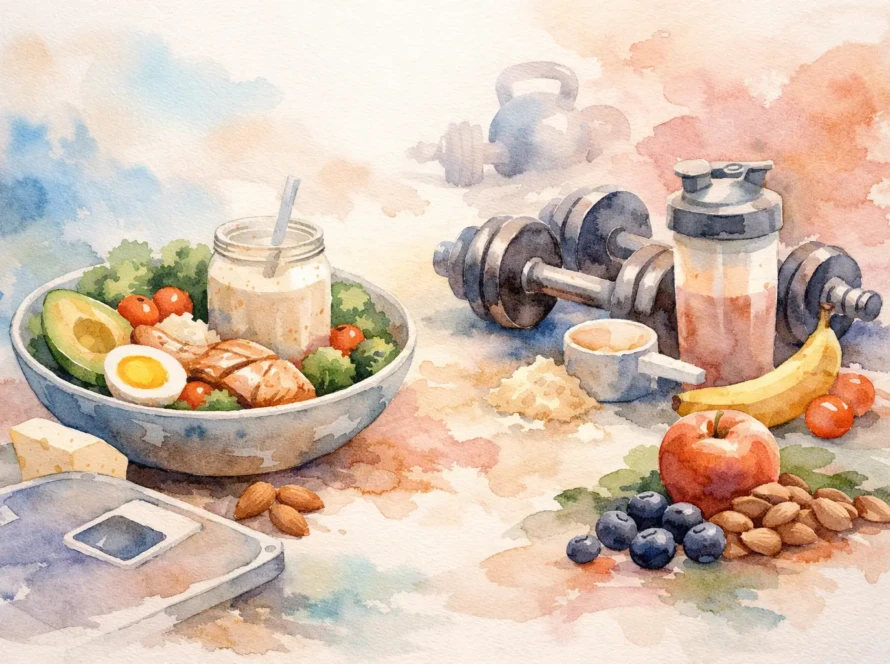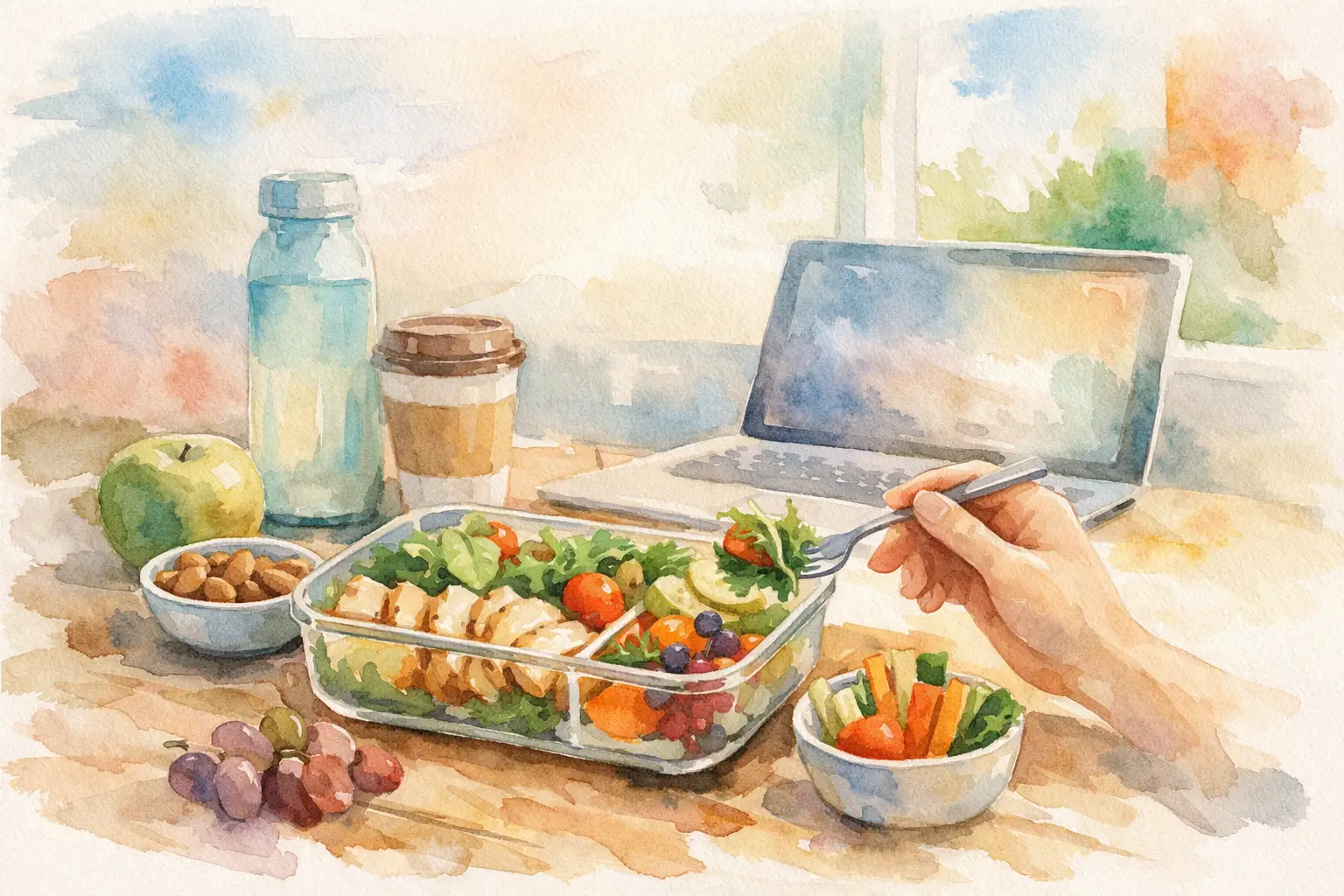
The 4 pm biscuit run is rarely about a lack of willpower. More often, it is the result of a rushed breakfast, a long gap between meals and a desk day that leaves you mentally drained. Learning how to eat healthy at work is not about carrying plain salads every day or refusing every team lunch. It is about creating a routine that supports your energy, concentration and health goals, even when work gets busy.
For professionals balancing meetings, commutes and family responsibilities, consistency matters more than perfection. A practical eating plan should fit the food you enjoy, your working hours and any medical needs you may have.
How to eat healthy at work starts before you leave home
A healthy workday is much easier when the first meal of the day is not an afterthought. Skipping breakfast may seem like a time-saving choice, but it can leave you overly hungry by mid-morning. That often leads to large portions at lunch or frequent snacking on whatever is closest to your desk.
Choose a breakfast with protein, fibre and enough carbohydrate to keep you going. Eggs with wholegrain toast and vegetables, vegetable poha with curd, oats with fruit and nuts, or besan chilla with a bowl of yoghurt are all realistic options. If your commute is early, prepare part of the meal the night before rather than relying on a sugary coffee and a packaged snack.
This does not mean every person needs the same breakfast. Someone training in the morning, managing diabetes, experiencing pregnancy-related nausea or working night shifts may need a different approach. Personalised nutrition is valuable because your day does not look exactly like anyone else’s.
Build a lunch that keeps you satisfied
The ideal office lunch is filling enough to prevent afternoon cravings, but not so heavy that you feel sleepy through the next meeting. Instead of trying to eat less and feeling deprived, aim for a balanced plate.
Include a source of protein such as dal, chana, rajma, paneer, eggs, chicken, fish, tofu or curd. Add vegetables for volume and fibre, then include a sensible portion of carbohydrates such as roti, brown rice, millet, quinoa or rice. Healthy fats from nuts, seeds, avocado or a small amount of oil help make the meal satisfying too.
A homemade lunch can be as simple as two rotis with dal, sabzi and salad, or rice with grilled chicken, vegetables and curd. There is no need to label everyday foods as strictly good or bad. Rice, for example, can absolutely fit into a healthy plan when the portion, overall meal balance and your individual health requirements are considered.
If you order lunch at work, look for grilled, roasted, steamed or lightly cooked options where possible. Choose a main meal with protein and vegetables rather than making fried starters, creamy gravies or sugary drinks the centre of the order. Enjoying restaurant food occasionally is not a problem. The challenge arises when convenience meals become your default on most working days.
Keep smart snacks within reach
When the office pantry is full of biscuits, namkeen and sweets, hunger will usually win. The simplest solution is to make a better option easier to reach. Keep a small snack supply in your drawer, bag or workplace fridge so you do not have to make food decisions when your energy is low.
Useful options include:
- A fruit with a handful of almonds, walnuts or roasted chana
- Plain yoghurt or curd with fruit and seeds
- Roasted makhana, chana chaat or a homemade trail mix
- Vegetable sticks with hummus or hung curd dip
- Boiled eggs, paneer cubes or a small sprouts chaat
Portion awareness still matters with nutritious foods. Nuts, dried fruit and granola can be healthy choices, yet large handfuls eaten mindlessly while answering emails can add up quickly. Put a serving in a bowl or small container before you begin work, rather than eating directly from the packet.
Do not let tea and coffee become a meal plan
Tea breaks are often social, comforting and much needed. You do not have to give them up. However, several cups of sweet tea or coffee, paired with biscuits, can quietly become a major source of added sugar and refined carbohydrates during the week.
Try reducing sugar gradually if you are used to sweet drinks. You might also alternate regular tea or coffee with water, chaas, unsweetened lemon water or herbal tea. If you need a snack with your drink, choose fruit, roasted chana or nuts more often than biscuits.
Caffeine can also hide tiredness without solving it. If you rely on coffee late in the afternoon to stay awake, look at the bigger picture: sleep, breakfast quality, water intake and whether lunch is balanced enough. Better energy is usually built through routine, not another caffeine top-up.
Make the healthy choice the convenient choice
Workplace eating is shaped by your environment. A packed diary, a colleague’s birthday cake or food delivery offers can easily override good intentions. Rather than expecting yourself to resist everything, organise your routine so healthier decisions take less effort.
Spend 15 minutes in the evening preparing fruit, chopping vegetables or packing lunch leftovers. Keep a water bottle visible on your desk and refill it at set points in the day, such as after each meeting. If your office has a fridge, stock it with curd, fruit, pre-cut vegetables or a protein-rich snack at the start of the week.
It can also help to set a rough meal rhythm. For many people, breakfast, lunch and one planned snack work better than grazing all day. Others may prefer smaller meals due to long commutes, medication schedules or digestive comfort. The right structure is the one you can maintain without feeling constantly hungry or restricted.
Handle office treats without guilt
Healthy eating at work should leave room for real life. There will be birthday celebrations, festive sweets, team lunches and days when you forgot your tiffin. One pastry or a restaurant meal does not undo your progress, just as one salad does not create it.
When treats are available, decide what you genuinely want rather than eating simply because it is on the table. Have a portion, enjoy it slowly and return to your usual meal at the next opportunity. Avoid the all-or-nothing thinking that says, “I have already eaten poorly, so the day is ruined.” That mindset often turns one choice into a week of frustration.
For team meals, avoid arriving extremely hungry. A light, balanced snack beforehand can help you order more comfortably. Choose food you will enjoy, include protein or vegetables where possible, and stop when you are satisfied rather than uncomfortably full.
Eat away from your screen when possible
Working through lunch may feel productive, but distracted eating makes it harder to notice fullness and satisfaction. Even ten minutes away from your laptop can change the experience of a meal. Sit somewhere different, put your phone aside where practical and chew at a calmer pace.
This small pause also supports digestion and gives your mind a break. If stepping away is impossible on a particular day, try at least to plate your food and eat without scrolling or typing for the first few minutes. A meal deserves more attention than a collection of hurried bites between emails.
Match your plan to your health goal
There is no universal office diet. A professional working towards weight loss may need help with portions and evening hunger. Someone with diabetes may need regular meals and a closer look at carbohydrate distribution. For thyroid concerns, high blood pressure, PCOS, pregnancy, sports training or digestive symptoms, the timing and composition of meals can need further adjustment.
This is why restrictive online meal plans often fail. They may ignore your work schedule, cultural food preferences, medical history and the foods available near your office. A dietitian can help turn healthy eating into a practical routine rather than a short-lived challenge. At LivFit Today, nutrition guidance is built around sustainable habits, not starvation or fear of food.
Tomorrow, start with one change that feels easy to repeat: pack a balanced lunch, keep a better snack in your drawer or take your tea without the automatic biscuit. Small choices made across ordinary workdays can become the foundation for lasting results.