If you have PCOS, you may already know how frustrating the advice can be. Eat less sugar. Lose weight. Try harder. For many women, that guidance is vague, guilt-inducing, and not especially helpful. So, can a dietitian help PCOS? In many cases, yes – because PCOS is not just about willpower or cutting out a few foods. It is a complex hormonal condition that often needs a personalised nutrition strategy.
PCOS, or polycystic ovary syndrome, can affect weight, periods, energy, skin, fertility, and insulin response. The symptoms also vary from person to person. One woman may struggle with stubborn weight gain and irregular cycles, while another has acne, cravings, and signs of insulin resistance despite looking slim. That is exactly why generic diet plans tend to fail.
Can a dietitian help PCOS in a real, practical way?
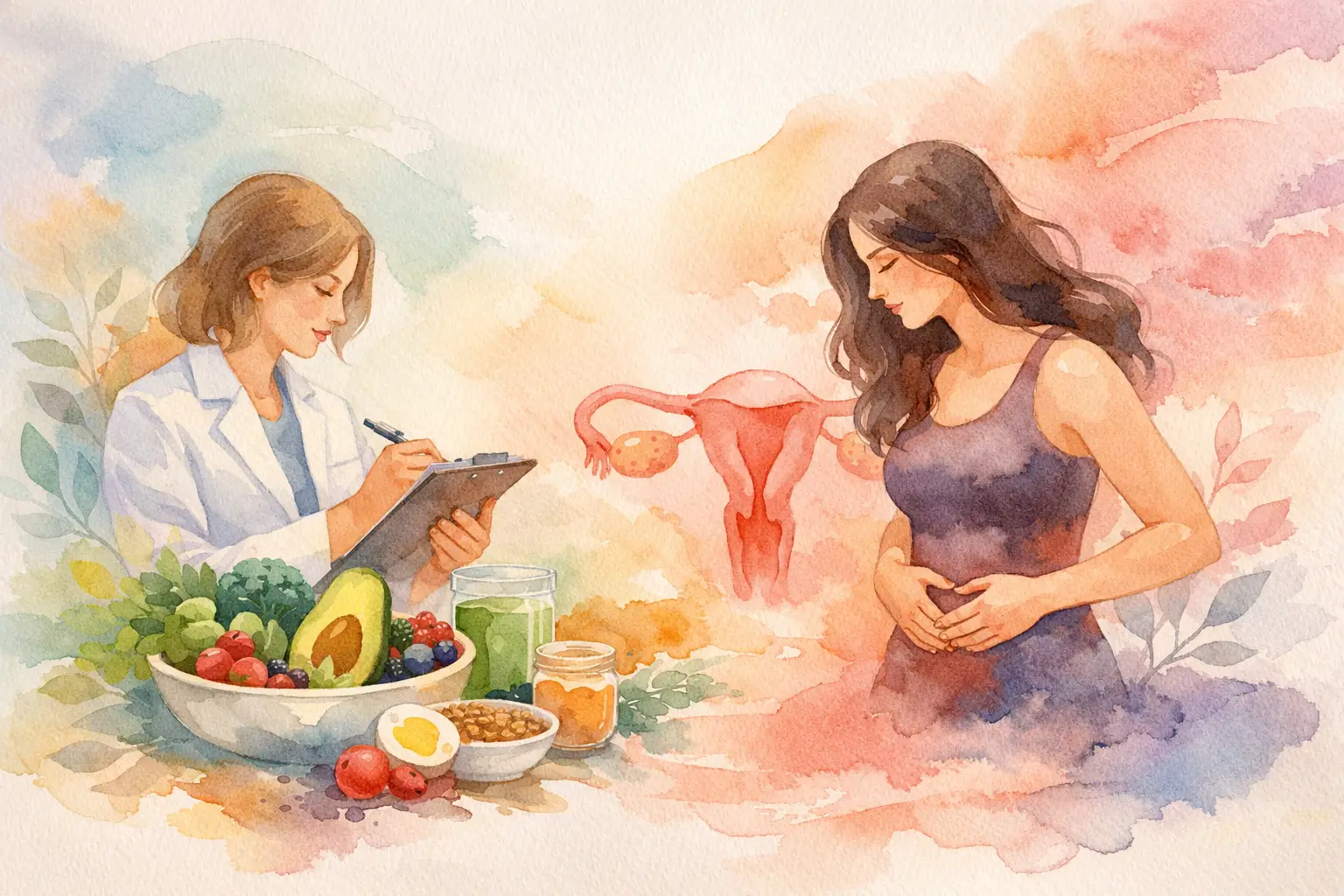
A qualified dietitian can help you understand what is driving your symptoms and build an eating pattern that supports your body rather than fights it. That usually means looking beyond calories alone. Your meals, timing, protein intake, fibre, stress levels, sleep, activity, and medical history all matter.
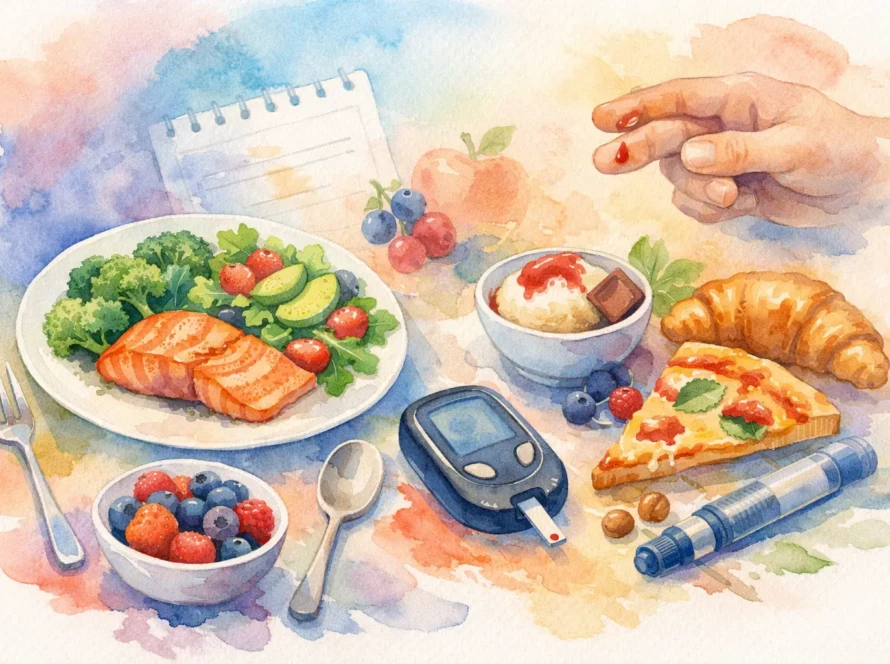
For many people with PCOS, insulin resistance plays a major role. This means the body does not use insulin efficiently, which can lead to higher insulin levels, more cravings, easier fat storage, and a tougher time managing weight. A dietitian can structure meals to improve blood sugar balance, reduce energy crashes, and make eating feel more stable through the day.
This is not about handing you a restrictive chart and telling you to avoid everything you enjoy. At LivFit Today, the focus is on realistic, sustainable change. If your plan does not fit your work schedule, family meals, budget, or food preferences, you are unlikely to follow it for long. A good dietitian knows that.
Why PCOS nutrition needs to be personalised
PCOS is often spoken about as if there is one perfect diet for everyone. There is not. Some women do well with a moderate-carbohydrate plan that emphasises fibre and protein. Others need more support around portion balance, meal timing, or emotional eating. Some are vegetarian. Some skip meals because of busy office hours and then overeat at night. Some are trying to conceive, while others simply want their skin and cycles to improve.
A dietitian takes those differences seriously. They look at your blood reports if available, your symptoms, your daily routine, and what has or has not worked before. That matters because the right plan for PCOS depends on your starting point.
For example, if you are constantly snacking because breakfast is too light, the answer may be building a more satisfying morning meal. If your weight has plateaued despite dieting for months, your body may need a more balanced and less extreme approach. If you have PCOS and a thyroid issue together, the plan may need extra care. Personalisation is where real progress usually begins.
What a dietitian can actually help with
The biggest benefit of working with a dietitian is not just information. It is direction. Many women with PCOS have already read articles, saved meal ideas, and tried cutting carbs, dairy, sugar, gluten, or all of them at once. The problem is not a lack of effort. The problem is not knowing what is necessary, what is optional, and what is making life harder without improving symptoms.
A dietitian can help with weight management, but that is only one part of the picture. They may also help regulate appetite, improve digestion, support more regular periods, reduce binge-restrict cycles, and make food choices easier in a busy routine. If you are trying to conceive, nutrition support can also become part of a wider fertility plan.
There is also the emotional side. PCOS can make people feel as though their body is working against them. Repeated failed diets often damage confidence. A structured, expert-led plan can reduce that constant second-guessing and replace it with a clear approach you can actually maintain.
Weight loss with PCOS is different, not impossible
One of the hardest parts of PCOS is that weight loss can feel slower than expected. That does not mean it is impossible, but it often means the usual crash-diet methods backfire. Severe restriction may trigger intense hunger, low energy, and rebound eating. It can also be difficult to sustain when you are already dealing with fatigue and cravings.
A dietitian usually aims for a steadier route. That might involve improving protein intake, choosing carbohydrates more carefully rather than fearing them, managing portion sizes without obsession, and building habits that work over weeks and months. Even modest weight loss can improve PCOS symptoms in some women, but not every benefit depends on the scales moving dramatically.
You do not have to cut out every carbohydrate
One common myth is that women with PCOS must avoid all carbohydrates. In reality, the quality, quantity, and context of carbohydrates matter more than blanket elimination. Refined, low-fibre foods may worsen blood sugar swings for some people, but that does not mean fruit, pulses, oats, or sensible portions of rice and roti are automatically a problem.
A dietitian can show you how to pair carbohydrates with protein, healthy fats, and fibre so meals are more balanced and satisfying. That approach is usually more realistic than cutting out entire food groups and then feeling miserable by day four.
When results are likely to be better
Working with a dietitian tends to be most useful when your support goes beyond a one-off chart. PCOS is a long-term condition, and progress often comes from adjusting the plan as your body responds. Maybe your cravings improve quickly but your cycle is still irregular. Maybe your weight changes but your evening hunger remains high. Good nutrition support includes reviewing what is happening and making practical changes.
Results also tend to improve when nutrition is combined with other basics – enough sleep, regular movement, stress management, and medical care where needed. A dietitian is not a replacement for your GP or gynaecologist, but they can be a valuable part of your wider care team.
Can a dietitian help PCOS if you are not overweight?
Yes. This is an important point because PCOS is often discussed only in relation to weight. Some women with PCOS are in a healthy weight range and still deal with irregular periods, acne, hair concerns, cravings, or insulin resistance. In those cases, nutrition support is still useful.
The goal may not be weight loss at all. It may be better energy, more stable meals, improved metabolic health, or support for fertility. This is another reason personalised advice matters. The right plan should match your symptoms and goals, not assumptions based on your size.
What to expect from a good PCOS nutrition plan
A sensible PCOS plan should feel structured, but not punishing. It should include foods you enjoy, work around your schedule, and give you enough nourishment to function well. You should understand why certain changes are being suggested instead of being told to follow rules blindly.
In practice, that could mean regular meals instead of long gaps without food, better breakfast choices, smarter snack options, more protein across the day, and help with eating out or office routines. It may also involve planning for weekends, festive meals, or hormonal cravings so you do not feel as though one imperfect day has ruined everything.
The best plans are not dramatic. They are doable.
When a dietitian may not be enough on their own
Nutrition can make a meaningful difference to PCOS, but it is not a magic fix. Some women also need medication, further investigation, or support for related issues such as thyroid disorders, fertility challenges, or mental health concerns. If symptoms are severe or changing, medical review is important.
That does not reduce the value of a dietitian. It simply means PCOS often responds best to joined-up care. Food can support hormones, appetite, energy, and weight, but it works even better when the bigger picture is being addressed too.
If you have been trying to manage PCOS alone and feeling stuck, that is not a sign that you have failed. It may just mean you need a plan built for your body, your routine, and your real life. With the right guidance, progress can feel far more manageable than it does when you are piecing advice together on your own.