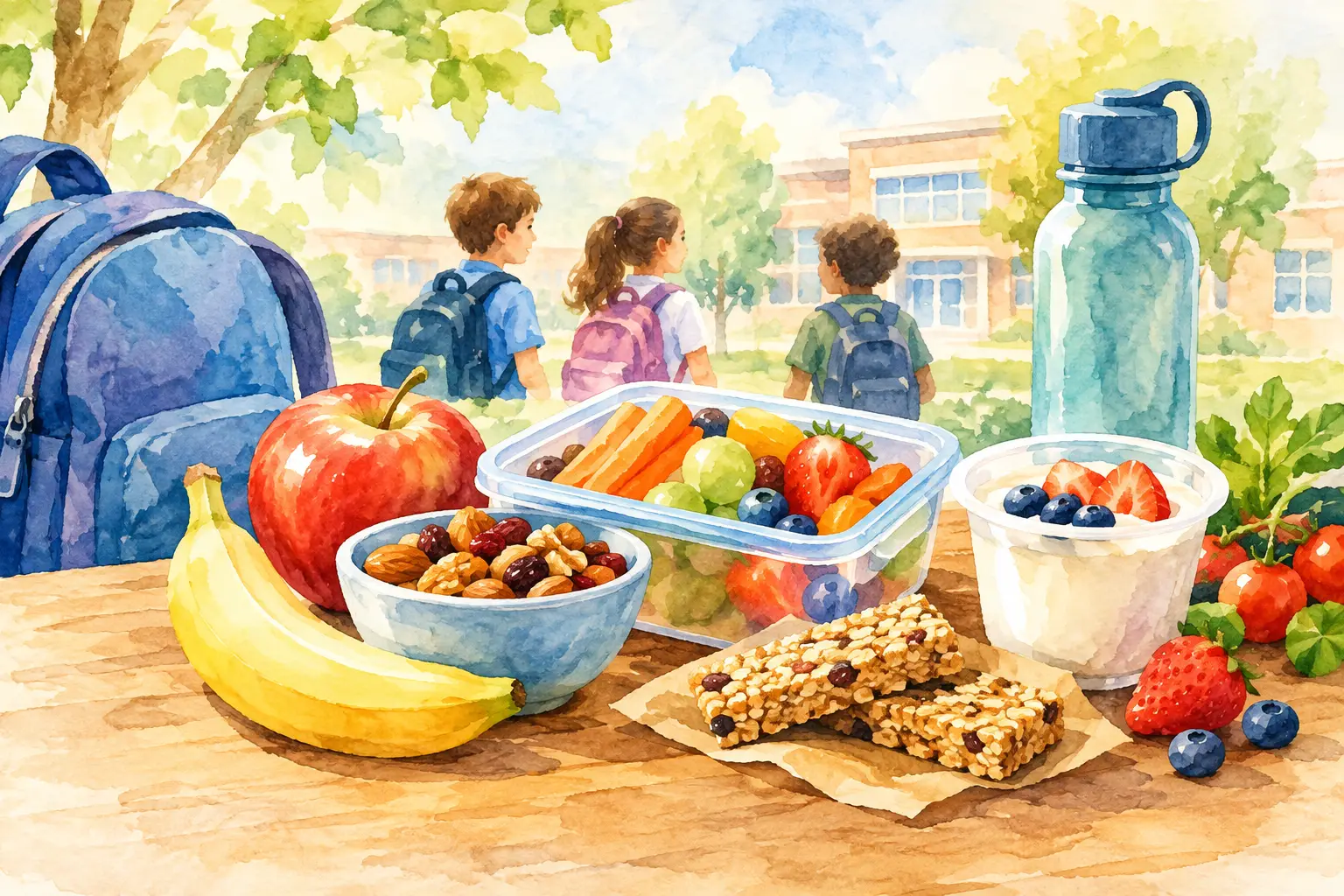
The snack that comes home untouched is rarely a parenting failure. More often, it is a clue: the portion was too large, the food was unfamiliar, or the lunchbox did not match a busy school day. Healthy snacks for school children need to be appealing, easy to eat and filling enough to carry them through lessons, playtime and the journey home.
For parents, especially with rushed mornings and selective eaters, the goal is not a picture-perfect lunchbox. It is to build steady eating habits with foods your child enjoys, while giving their growing body the energy and nutrients it needs. A balanced snack can support concentration, mood, growth and physical activity without relying on packaged foods every day.
What makes a school snack genuinely healthy?
A useful school snack usually combines at least two food groups. Pairing carbohydrate-rich foods with protein or healthy fats helps provide more lasting energy than biscuits, crisps or sugary drinks alone. For example, fruit with yoghurt, chapati rolls with paneer, or roasted chana with a small banana can be far more satisfying than a packet of flavoured snacks.
Carbohydrates are not the enemy in a child’s diet. They are a major source of fuel for active, growing children. The difference lies in choosing foods that offer more nutrition alongside energy, such as fruit, oats, wholegrain bread, poha, idli, corn, potatoes and homemade parathas. Add protein from milk, curd, eggs, paneer, dal, beans, chicken or nuts where appropriate, and the snack becomes more sustaining.
Portion size matters too. A child may only have ten or fifteen minutes for a school break. Small, manageable portions are more likely to be eaten than an overfilled box. Begin with a familiar food and introduce new options in a low-pressure way at home first.
Healthy snacks for school children: practical ideas
The best choices depend on your child’s age, appetite, school schedule and food restrictions. A nursery-aged child may manage soft, bite-sized foods, while an older child who plays sport after school may need a more substantial snack. These ideas are simple enough for regular rotation:
- Fresh fruit such as banana, apple slices, orange segments, grapes cut lengthways for younger children, pear or seasonal fruit, paired with cheese cubes or unsweetened yoghurt.
- Homemade vegetable or paneer sandwiches on wholemeal bread, cut into smaller triangles or fingers for younger children.
- Idli with mild chutney, vegetable uttapam pieces, dhokla, or a small portion of poha with peas and peanuts if permitted by the school.
- Besan chilla, moong dal chilla or wholewheat wraps filled with paneer, egg, chicken or mixed vegetables.
- Roasted chana, makhana, lightly seasoned sweetcorn, or a homemade trail mix for children old enough to safely eat nuts and seeds.
- Curd rice with grated cucumber, vegetable pulao with raita, or leftover dal paratha rolled and sliced into easy-to-hold pieces.
There is no need to make every snack elaborate. Plain curd and fruit can be a strong option. So can a boiled egg with a small wholegrain roll, or a simple homemade potato and pea paratha. Consistency beats occasional perfection.
Easy swaps for common packaged snacks
Packaged snacks are convenient, and they do have a place on particularly hectic days. The problem comes when they become the default source of energy every afternoon. Many are high in salt, added sugar or refined flour, yet do not keep children full for long.
Rather than banning favourites, make gradual swaps. Replace a sugary drink with water, milk or unsweetened lassi. Choose popcorn made at home over heavily flavoured crisps. Offer a homemade muffin containing oats and banana instead of a cream-filled cake. If your child loves biscuits, serve a small portion alongside milk and fruit rather than using biscuits as the entire snack.
This approach avoids making foods seem forbidden. Children who are taught that all treats are “bad” can become more interested in them, especially outside the home. A calm, balanced pattern gives them skills that last beyond the lunchbox.
Plan for energy, not just hunger
Some children eat breakfast early and have their first break several hours later. Others have sport, tuition or a long commute after school. Their snack needs can look very different. A child who is constantly asking for food after school may not be overeating – they may simply need a better-timed, more balanced snack.
For a morning break, choose something light but satisfying, such as fruit and yoghurt, idli, egg sandwich fingers or chilla. For a late afternoon activity, add more substance: a paneer wrap, curd rice, a banana with peanut butter where suitable, or a chicken and vegetable sandwich can offer longer-lasting fuel.
Hydration is part of the picture. Tiredness, headaches and poor concentration can sometimes be linked to not drinking enough water. Encourage your child to carry a water bottle and make water the regular choice. Sweetened juices, fizzy drinks and energy drinks should not be routine school beverages.
Working with fussy eaters without daily conflict
Fussy eating is common, particularly during early childhood. Pressuring a child to finish a lunchbox can make meals stressful and reduce their willingness to try new foods. Instead, include one reliable favourite alongside a small portion of something less familiar.
Involve children in age-appropriate choices. They might choose between apple or banana, help wash grapes, stir yoghurt, or select a lunchbox compartment. When children feel some ownership, they are often more open to eating what is packed.
Presentation can help, but it does not need to be time-consuming. Cut food into manageable shapes, keep wet and dry items separate, and use an insulated box for foods that need to stay cool. Avoid sending foods your child cannot open or eat independently. A nutritious snack that is difficult to manage is likely to return home untouched.
It can also take repeated exposure before a child accepts a new food. Offer it again another week without commentary. Their taste can change over time, particularly when the food appears regularly and the atmosphere around eating remains relaxed.
Food safety matters in the school bag
A healthy snack must also be safe to eat by break time. In warm weather, use an insulated lunch bag and an ice pack for yoghurt, cheese, eggs, meat, cut fruit and cooked leftovers. Pack hot foods in a good-quality food flask when possible, and keep dry snacks in airtight containers.
Wash fruit and vegetables thoroughly. Teach children to wash or sanitise their hands before eating, particularly if they are sharing playground equipment and classroom materials. Check the school’s policy on nuts, as many schools restrict them because of serious allergies. If nuts are not permitted, seeds, roasted chana, cheese, yoghurt, egg or hummus can provide alternatives, depending on the child’s needs.
For children with diabetes, coeliac disease, food allergies, poor weight gain, constipation, anaemia or sensory-related eating challenges, generic snack ideas may not be enough. Their meal plan should account for medical requirements, timings and safe substitutions. Personalised nutrition advice can make school food less stressful for both parent and child.
Build a routine that survives busy mornings
The easiest way to improve school snacks is to prepare before the morning rush. Wash fruit, boil eggs, make a batch of chilla batter, roast makhana, cook extra dal or keep sandwich fillings ready in the fridge. A short plan for the week prevents the last-minute decision from becoming crisps and biscuits again.
Aim for variety across the week rather than variety in every single lunchbox. If your child happily eats paneer rolls twice a week, that is useful information, not a problem to solve. Rotate familiar choices with one new option, listen to what comes back eaten, and adjust without guilt.
A well-packed snack is one small daily way to tell your child that food can be enjoyable, nourishing and realistic. Start with what your family can maintain, then let those ordinary choices build stronger habits over time.