A raised cholesterol result can feel worrying, especially when you already believe you are eating reasonably well. The answer to “can a dietitian lower cholesterol?” is yes: a qualified dietitian can help you make targeted, sustainable food and lifestyle changes that may improve your cholesterol profile while still fitting around work, family meals and the foods you enjoy.
Cholesterol management is rarely about cutting out everything you like. It is about understanding which daily habits are affecting your heart health, where the practical gaps are, and how to create a plan you can maintain beyond a few determined weeks.
Can a Dietitian Lower Cholesterol Through Food?
For many people, nutrition changes can make a meaningful difference to cholesterol levels. A dietitian assesses your blood results alongside your medical history, weight goals, activity level, family history, current eating pattern and food preferences. This matters because high cholesterol does not have one single cause or one identical solution.
Your total cholesterol result gives part of the picture, but a dietitian will also consider LDL cholesterol, often called the “bad” cholesterol, HDL cholesterol and triglycerides. High LDL can contribute to fatty deposits in the arteries over time, increasing cardiovascular risk. Triglycerides may be affected by excess alcohol, sugary foods, refined carbohydrates, weight changes and some health conditions.
Rather than handing you a strict chart with unfamiliar foods, a dietitian turns the advice into realistic decisions. That could mean adapting your usual Indian breakfast, planning office lunches that do not rely on fried snacks, or finding satisfying evening meals that work for the whole household.
For some people, diet and lifestyle changes are enough to bring levels down significantly. For others, particularly those with very high cholesterol, diabetes, thyroid conditions, kidney disease or a strong family history of heart disease, medication may also be necessary. Nutrition support still has real value alongside prescribed treatment. Never stop or alter cholesterol medication without speaking to your doctor.
What Changes Will a Dietitian Usually Focus On?
The goal is not to remove all fat from your diet. Your body needs dietary fat, but the type and amount matter. Saturated fat can raise LDL cholesterol in many people, so a dietitian may help you reduce frequent sources such as ghee, butter, cream, cheese, bakery foods, fatty cuts of meat, processed meats, coconut-heavy dishes and deep-fried foods.
This does not mean these foods are permanently forbidden. A personalised plan may focus on portion size, frequency and practical swaps. For example, you may use less ghee in everyday cooking while still enjoying a favourite family dish occasionally. That balanced approach is far more likely to last than an all-or-nothing rule.
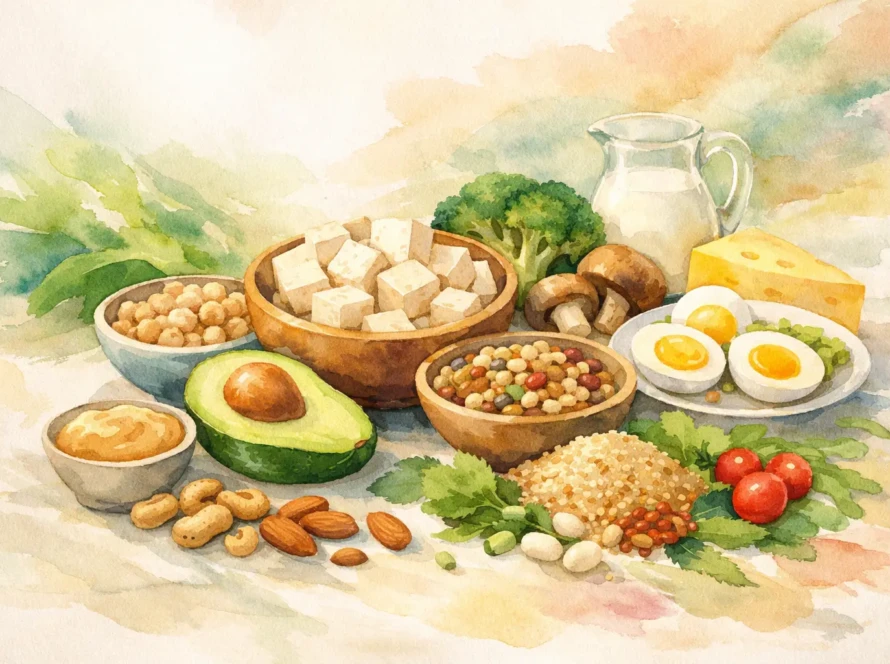
At the same time, your meals can include more unsaturated fats from foods such as nuts, seeds, olive or mustard oil, avocado and oily fish. A dietitian will consider your cultural food choices, budget and cooking routine before suggesting changes. There is little point recommending expensive ingredients that will never become part of your normal week.
Fibre is another major focus. Soluble fibre, found in oats, barley, beans, lentils, chickpeas, apples, pears and vegetables, can help reduce LDL cholesterol by limiting how much cholesterol is absorbed in the gut. Adding fibre gradually is sensible, particularly if you are not used to high-fibre meals, as a sudden increase can cause bloating.
A heart-supportive pattern is often built around vegetables, fruit, pulses, wholegrains, nuts, seeds and protein sources that suit your needs. It may include dairy, eggs, chicken, fish or vegetarian proteins in appropriate portions. The best plan is not the most restrictive one. It is the one you can follow consistently.
Why Personalisation Makes the Difference
Online advice often says, “avoid oil” or “eat clean”, but neither instruction tells you what to cook on a Tuesday night when you get home late. It also does not account for conditions that affect food choices and cholesterol levels.
If you have hypothyroidism, insulin resistance, PCOS, diabetes, high blood pressure or menopause-related weight changes, your plan may need a more careful approach. If you are vegetarian, pregnant, breastfeeding, training regularly or managing family meals with children, your nutritional needs will look different again.
A dietitian can identify patterns that are easy to miss when you are managing food alone. It may be the large serving of refined carbohydrates at dinner, the daily creamy coffee, frequent takeaway meals during busy weeks, weekend drinking, long gaps between meals or a lack of protein that leads to evening overeating. Small repeated behaviours often influence results more than the occasional celebration meal.
At LivFit Today, this means looking beyond a cholesterol number and building a routine around your health goals, schedule and usual foods. Sustainable nutrition should support your real life, not make your real life harder.
A Practical Day of Cholesterol-Friendly Eating
A cholesterol-conscious day does not need to be bland. You might start with vegetable oats, besan chilla with curd, or eggs with wholegrain toast and fruit. If you prefer a traditional breakfast, the focus could be on improving portions and adding protein or fibre rather than replacing it completely.
At lunch and dinner, build the plate around vegetables and a protein source such as dal, chana, rajma, tofu, fish, chicken or paneer in a suitable portion. Choose wholegrains more often where practical, such as brown rice, millets, wholewheat roti or oats, while remembering that portion size still matters. Add salad, sabzi or a bowl of vegetables to bring more fibre and volume to the meal.
For snacks, fruit with a small handful of unsalted nuts, roasted chana, yoghurt, sprouts or buttermilk can be more supportive than biscuits, crisps and fried namkeen. You do not have to eat perfectly every day. The aim is for most choices, most of the time, to move you in the right direction.
Food Is Powerful, but It Is Not the Only Factor
Cholesterol responds to the bigger lifestyle picture. Regular movement can support weight management, improve triglycerides and benefit heart health. You do not need an intense gym routine to begin. Brisk walking, cycling, swimming, strength training, dance classes or active play with your children all count when done regularly.
Sleep and stress also deserve attention. Poor sleep can make appetite regulation harder and increase cravings for high-sugar, high-fat convenience foods. Chronic stress may lead to skipped meals, emotional eating or more alcohol than intended. A practical nutrition plan should include strategies for these situations, not pretend they do not exist.
If weight loss is appropriate for you, even a modest, gradual reduction in body weight may improve cholesterol markers. But chasing rapid loss through starvation diets can backfire. You may lose momentum, energy and muscle, then regain weight when normal eating returns. A dietitian helps you work towards measurable progress without extreme restriction.
When Should You Seek Expert Support?
Consider seeing a dietitian if your cholesterol remains raised despite trying to eat better, if you feel confused by conflicting advice, or if you have a medical condition that affects your food choices. Support is also useful if you have a family history of early heart disease, very high cholesterol results, or difficulty staying consistent with a plan on your own.
Bring your latest blood test results, a list of medicines and supplements, and an honest picture of your usual routine to the consultation. There is no judgement in that honesty. It gives your dietitian the information needed to create advice that is specific, safe and achievable.
A follow-up plan matters too. Cholesterol changes usually take time, and repeat blood tests are often needed to see how your body is responding. Your dietitian can help you adjust the plan as your routine, health needs and results change.
You do not need to choose between protecting your heart and enjoying food. With the right guidance, everyday meals can become a practical part of your cholesterol care, one realistic choice at a time.