A second helping of rice, an extra roti because it is small, or a generous pour of oil in the tadka can quietly change a balanced meal into one that no longer supports your goal. This guide to healthy Indian portion sizes is designed to help you enjoy familiar home-cooked food while making each plate work better for your energy, weight and long-term health.
Portion control is not about eating tiny meals or removing rice, rotis, dal and festive favourites from your life. It is about matching the amount you eat to your body’s needs, activity level, health condition and goals. The right portion should leave you comfortably satisfied, not sleepy and overfull, and not reaching for biscuits an hour later.
Why Indian meals can be difficult to portion
Indian food is wonderfully varied, but meals often combine several carbohydrate sources at once. For example, rice with two rotis, potato sabzi, dal and a sweet drink may look like a normal family meal. Yet the total carbohydrate and calorie load can be far more than your body needs at one sitting, especially if you spend most of the day at a desk.
Cooking methods matter too. A nutritious ingredient can become calorie-dense through excess ghee, oil, cream, coconut, sugar or fried toppings. This does not mean these foods are forbidden. It means the quantity and frequency need to fit your overall eating pattern.
The answer is rarely the same for everyone. A runner training in the evening, a woman in pregnancy, a person recovering from illness and someone managing type 2 diabetes will need different portion guidance. Your age, sleep, medication, appetite and medical history also matter.
Guide to healthy Indian portion sizes: build your plate first
For most adults, a useful starting point is to fill half your lunch or dinner plate with non-starchy vegetables. Think bhindi, lauki, tori, cabbage, cauliflower, beans, spinach, brinjal, mushrooms, carrots, cucumber and mixed salad. A large bowl of vegetable sabzi is often more satisfying than a small bowl cooked in excess oil.
Reserve one quarter of the plate for protein and one quarter for carbohydrate-rich foods. This simple structure helps you eat enough without measuring every grain of rice. It also makes room for the foods you already enjoy.
At a typical main meal, choose one main starch portion: either 1 to 2 medium phulkas or about 1 small katori of cooked rice. If you want both rice and roti, reduce each amount – for example, one small phulka with half a katori of rice. The exact amount can increase on highly active days and may need to reduce when weight loss or blood sugar management is the priority.
Protein deserves more attention than it usually gets in Indian meals. Aim for roughly one palm-sized serving at lunch and dinner. This could be 1 katori of dal or chana, 100 to 120 g of curd, paneer or tofu, two eggs, or a palm-sized portion of fish or chicken. Dal is nutritious, but a very thin, small serving may not be enough protein on its own. Pairing it with curd, paneer, eggs, chicken, fish or soy can make the meal more filling.
Use everyday measures, not a weighing scale
You do not need to carry measuring cups to a restaurant or family function. Your hands and usual kitchen bowls offer practical references:
- One cupped hand is approximately one small katori of cooked rice, poha, upma or khichdi.
- One closed fist is a useful guide for fruit or a substantial serving of cooked vegetables.
- One palm, excluding fingers, represents a portion of paneer, tofu, chicken or fish.
- One thumb is a reasonable guide for visible fats such as ghee, butter, peanut butter or oil-based chutney.
These are starting measures, not strict rules. If you are tall, very active or trying to gain muscle, your needs may be higher. If you are sedentary, have insulin resistance or are working towards weight loss, a smaller starch serving and more vegetables may suit you better.
What balanced portions look like in familiar meals
Breakfast should give you steady energy, not just a quick carbohydrate rush. Two medium vegetable besan chillas with curd, or vegetable oats upma with a side of eggs, is more balanced than a large bowl of poha on its own. If you choose idlis, have two medium idlis with plenty of sambar and add protein through curd, eggs or a bowl of sprouts where appropriate.
For parathas, the issue is usually not the paratha itself but its size, filling and added fat. One medium stuffed paratha with curd, salad and a protein side can be a satisfying meal. Two large, ghee-heavy parathas with pickle and sweet chai may leave you hungry again later because the meal is high in refined carbohydrate and fat but low in fibre and protein.
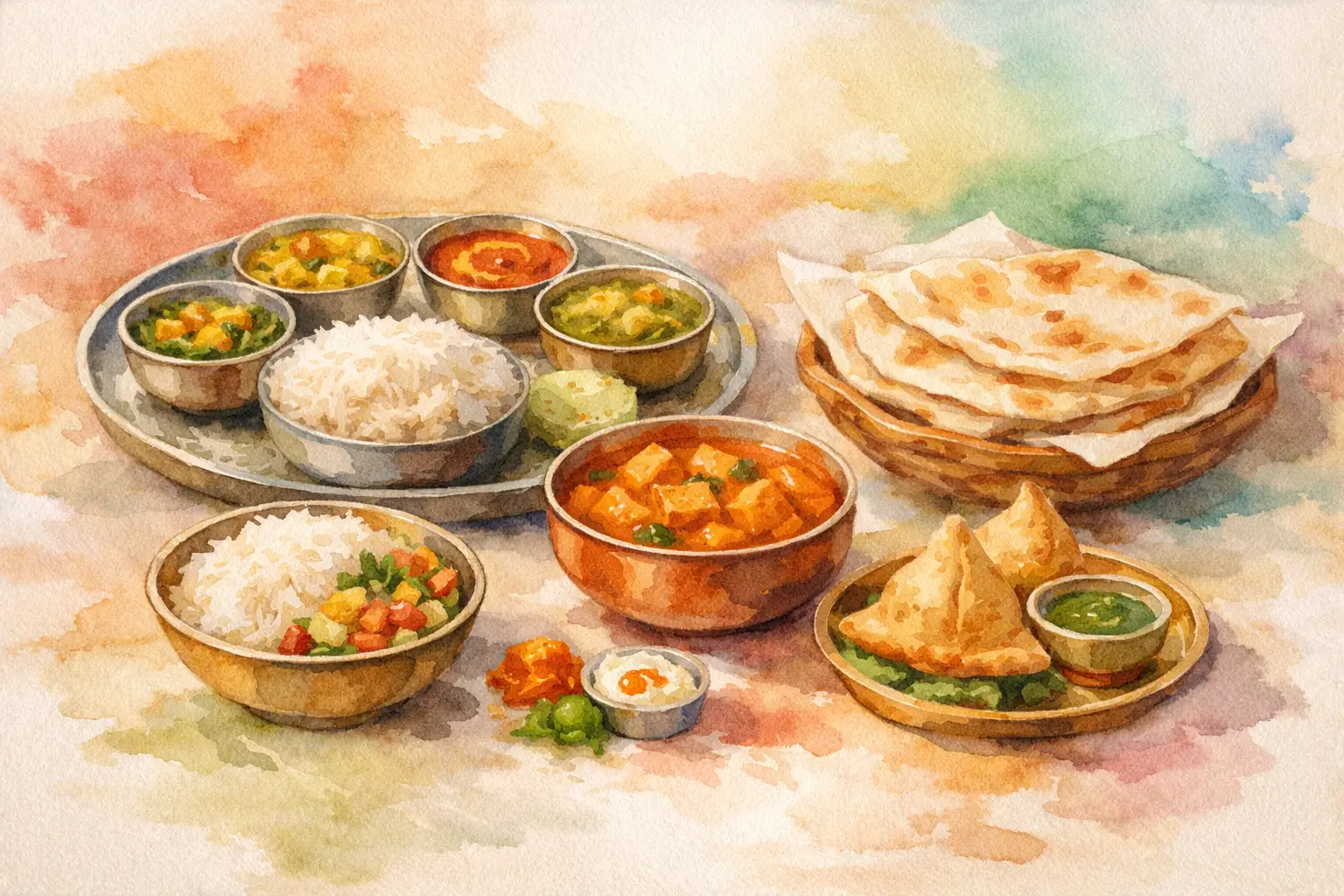
At lunch, try 1 to 2 phulkas or a small katori of rice, one katori of dal or another protein source, a generous vegetable sabzi and salad or raita. Rajma chawal, chole rice and kadhi chawal can fit into a healthy routine too. Keep rice to a small katori, make the rajma or chole portion generous, and add salad or vegetables rather than following it with a second serving of rice.
At dinner, many people benefit from a slightly lighter starch portion, particularly when activity is low after work. A bowl of vegetable-rich khichdi with curd, two rotis with paneer bhurji and sabzi, or grilled fish with vegetables and a small serving of rice are practical options. A light dinner does not mean skipping dinner. It means eating enough to sleep comfortably and wake without intense hunger.
Watch the foods that are easy to underestimate
Oil, ghee and nuts are healthy in appropriate amounts, but they are concentrated sources of energy. Measure cooking oil for a few weeks rather than pouring freely. For many households, 3 to 4 teaspoons of visible oil per person across the day can be a sensible starting range, though individual needs vary.
Restaurant gravies, biryanis, butter naan, fried snacks and sweets are often much larger than home portions. You can still enjoy them. Share a starter, choose one rich element rather than several, and serve your plate once instead of eating directly from shared dishes. At a buffet, begin with salad, vegetables and protein so you are not making choices when extremely hungry.
Tea-time eating deserves attention as well. A handful of roasted chana, fruit with yoghurt, makhana or a small handful of nuts will generally support your goals better than daily biscuits, namkeen or fried snacks. Hunger between meals may also be a sign that breakfast or lunch needs more protein, rather than proof that you need more willpower.
Adjust portions for your health goal
For weight management, do not cut all carbohydrates. Instead, create a consistent plate balance, reduce repeat servings and limit calorie-dense extras that do not keep you full. Progress is more likely when your meals remain enjoyable enough to repeat on busy weekdays.
For diabetes, prediabetes or PCOS, spread carbohydrate intake through the day rather than eating most of it at dinner. Pair rice, rotis and fruit with protein and fibre, and avoid drinking calories through sweetened tea, juice and soft drinks. Your prescribed medication and blood glucose response should guide final changes.
During pregnancy, portion control should never become restrictive dieting. Nutrient needs rise, but “eating for two” is misleading. Regular meals with protein, iron-rich foods, calcium sources, vegetables and suitable snacks are more useful than simply doubling portions. Individual guidance is especially valuable if there is nausea, gestational diabetes, anaemia or significant weight change.
For fitness and muscle gain, larger carbohydrate and protein portions may be needed around training. A person who strength trains four times a week should not follow the same dinner portions as someone who barely moves between meetings. The aim is to fuel performance without turning every meal into a cheat meal.
Make portion control easier at home
Serve meals in the kitchen where possible, rather than placing large pots on the dining table. Use a smaller bowl for rice and dal, fill your plate with vegetables first, and eat without scrolling when you can. These small changes make it easier to notice fullness before you automatically take more.
Give yourself at least 15 to 20 minutes to finish a meal. Fullness signals take time to reach the brain. If you still feel physically hungry after finishing, wait briefly, drink some water and then choose extra vegetables, dal, curd or protein before adding more rice or rotis.
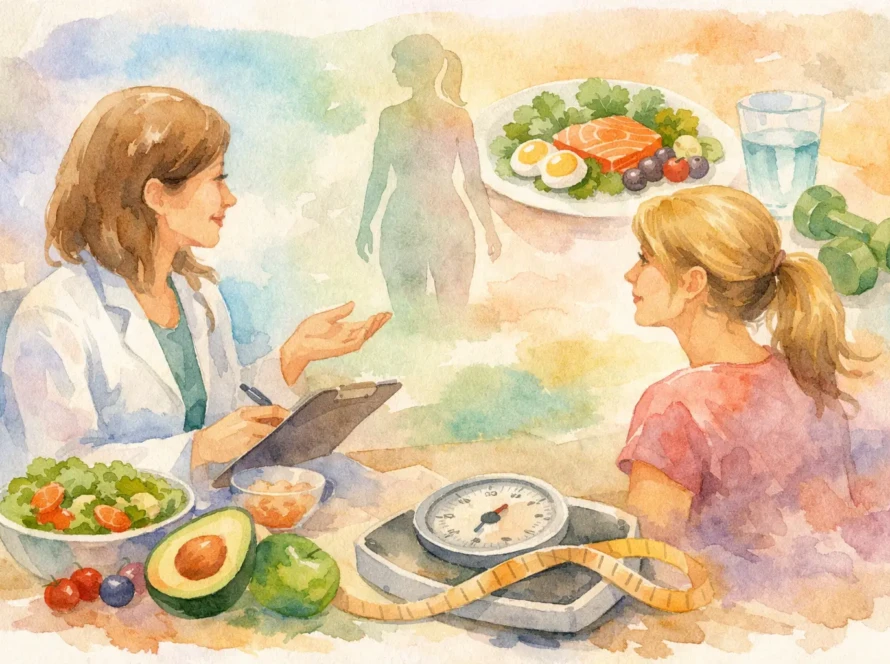
You do not have to get every portion perfect from day one. Start by changing one meal you eat most often. Once that meal feels natural, build from there. For personalised portion guidance that respects your routine, medical needs and food preferences, a qualified dietitian can turn these general measures into a plan you can genuinely maintain.
Healthy eating should feel like support for your life, not a daily punishment. When your plate includes enough protein, vegetables, fibre and the right amount of familiar carbohydrates, you can make progress while still enjoying the comfort of Indian food.