Pregnancy advice can quickly become overwhelming: eat more protein, avoid certain foods, take supplements, manage nausea and somehow keep up with work and family life. This guide to antenatal nutrition essentials brings the focus back to what matters most – regular, nourishing meals that support you and your growing baby without turning food into a daily source of stress.
You do not need a perfect diet or a strict pregnancy meal plan. You need a realistic eating pattern that suits your trimester, appetite, medical history, culture and routine. For some women, that means planning protein-rich breakfasts before a busy commute. For others, it means finding gentle foods that stay down during the first trimester.
Antenatal nutrition essentials: build the right foundation
Pregnancy increases the need for certain nutrients, but it is not a reason to double your portions. Energy needs rise gradually, particularly later in pregnancy, while nutrient needs become more important from the beginning. The goal is to make everyday meals work harder for you.
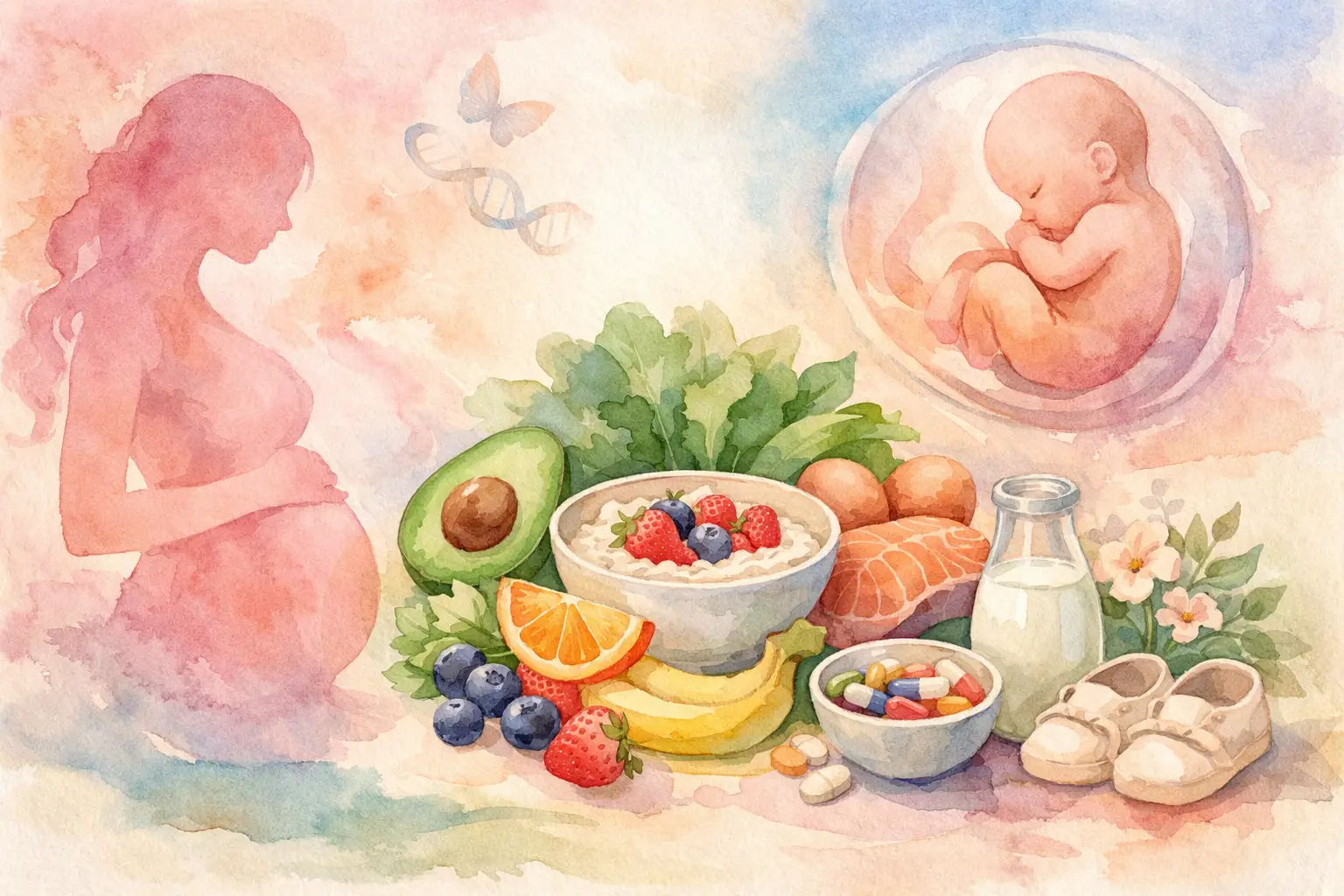
Aim to include a source of protein, fibre-rich carbohydrate, colourful fruit or vegetables and healthy fat across the day. A meal might be dal with roti, sabzi and curd; eggs on wholegrain toast with fruit; or rice, fish and vegetables. These combinations support steadier energy levels and can make it easier to manage hunger between meals.
Long gaps without eating can worsen nausea, acidity and fatigue. If three large meals do not feel comfortable, try smaller meals with planned snacks such as fruit with yoghurt, roasted chana, nuts, cheese on wholegrain crackers or a homemade smoothie. Portion sizes and meal timing should always be adjusted to your appetite and weight pattern, not copied from someone else’s pregnancy plan.
Protein for growth and recovery
Protein supports your baby’s growth and helps maintain your own tissues. Include it regularly rather than relying on one large serving at dinner. Good choices include eggs, milk, yoghurt, paneer, dals, beans, lentils, tofu, chicken, fish and lean meat.
Vegetarian diets can absolutely support a healthy pregnancy, but they need a little more planning. Combine different plant proteins through the day, such as dal and rice, hummus and wholemeal pitta, or beans with roti. If you avoid dairy, speak with a qualified dietitian about calcium, vitamin B12, iodine and protein sources that fit your diet.
Iron, folate and vitamin B12
Iron needs rise during pregnancy because your blood volume increases and your baby also needs iron stores. Low iron may contribute to tiredness, breathlessness and anaemia. Include iron-rich foods such as lean red meat, eggs, lentils, beans, leafy greens, sesame seeds and fortified cereals.
Plant-based iron is absorbed less easily, so pair it with vitamin C. Add lemon to dal, have an orange or guava with a meal, or include peppers and tomatoes in your cooking. Tea and coffee taken with meals can reduce iron absorption, so it is sensible to leave a gap where possible.
Folate is essential before conception and in early pregnancy, when your baby’s neural tube is developing. Leafy greens, beans, citrus fruit and fortified grains help, but food alone may not meet requirements. A folic acid supplement is commonly advised before pregnancy and during the first 12 weeks. Vitamin B12 is especially important for women eating vegan diets and for anyone with a known absorption issue.
Your clinician may prescribe iron, folic acid or other supplements based on blood tests and your health history. Take the dose recommended for you. More is not always better, and high-dose supplements can cause side effects or mask an underlying concern.
Calcium, vitamin D and iodine
Calcium supports your baby’s bones while protecting your own bone health. Milk, yoghurt, cheese, fortified plant drinks, tofu made with calcium, sesame seeds and certain leafy vegetables can contribute. If dairy causes bloating or nausea, smaller portions spread through the day may be more comfortable.
Vitamin D helps the body use calcium, while iodine supports healthy brain development. Requirements and supplement advice can vary based on where you live, your diet, season, skin exposure and medical needs. This is why a personalised recommendation is safer than choosing a supplement because it is popular online. Avoid supplements containing vitamin A in the form of retinol unless specifically prescribed.
Food safety matters as much as food quality
A balanced diet is only one part of antenatal nutrition. Pregnancy changes the immune system, so food hygiene and careful choices help lower the risk of food-borne illness.
Avoid raw or undercooked eggs unless they meet recognised safety standards, raw or undercooked meat and fish, unpasteurised milk and cheeses made from it, and refrigerated smoked fish unless cooked thoroughly. Wash fruit, vegetables and salad ingredients well, cook leftovers until piping hot and refrigerate prepared food promptly.
Limit caffeine to no more than 200 mg a day. Remember that caffeine is found in coffee, tea, cola, energy drinks and some chocolate, not just your morning coffee. Alcohol is best avoided during pregnancy. When choosing fish, include low-mercury options while avoiding high-mercury fish. The right choices depend on local guidance, so ask your maternity team if you are unsure.
Managing common pregnancy challenges with food
Nausea often responds better to practicality than perfection. Keep a dry snack by the bed, eat something small before getting up and avoid letting yourself become overly hungry. Plain toast, crackers, fruit, yoghurt, rice, khichdi or a mild sandwich may be more appealing than a full meal. Cold foods can also be easier to tolerate when cooking smells trigger nausea.
For constipation, increase fluids gradually and include fibre from fruit, vegetables, oats, beans, wholegrains and seeds. Gentle movement, if approved by your healthcare provider, can help too. Do not suddenly load up on bran if you are already bloated, as this can make discomfort worse.
Heartburn is common later in pregnancy. Smaller meals, slower eating and avoiding lying down soon after meals can reduce symptoms. Very spicy, fried or acidic foods affect some women but not others, so notice your own triggers rather than cutting out every flavourful food unnecessarily.
If you have gestational diabetes, thyroid concerns, high blood pressure, severe vomiting, multiple pregnancy, coeliac disease or a history of eating difficulties, generic online advice is not enough. Your meal plan needs to account for your test results, medication, weight changes and symptoms. Restrictive dieting during pregnancy can create risks for both mother and baby.
Make healthy eating fit real life
The most effective prenatal diet is one you can follow on a tired Tuesday, not just on a well-planned weekend. Keep a few reliable staples at home: eggs, yoghurt or curd, fruit, wholegrains, dal or beans, frozen vegetables, nuts and simple protein options. Batch-cook a basic dal, soup or vegetable curry when energy is better, then use it for easy meals over the next day or two.
When eating out, choose the safest satisfying option rather than chasing perfection. A well-cooked rice bowl, grilled protein with vegetables, idli with sambar or a freshly prepared roti-and-dal meal can fit well. Carrying a snack can prevent the intense hunger that leads to skipping meals or relying only on sugary convenience foods.
At LivFit Today, antenatal nutrition is approached as personal care, not a restrictive chart. A qualified nutrition professional can help you adapt meals for cravings, nausea, vegetarian eating, work schedules and medical needs while keeping your nutrition focused on steady, sustainable wellbeing.
Your body is doing demanding work every day. Feed it with consistency, respond to its changing signals and ask for individual support when food feels confusing. Small, well-chosen habits now can help you feel more supported throughout pregnancy and beyond.