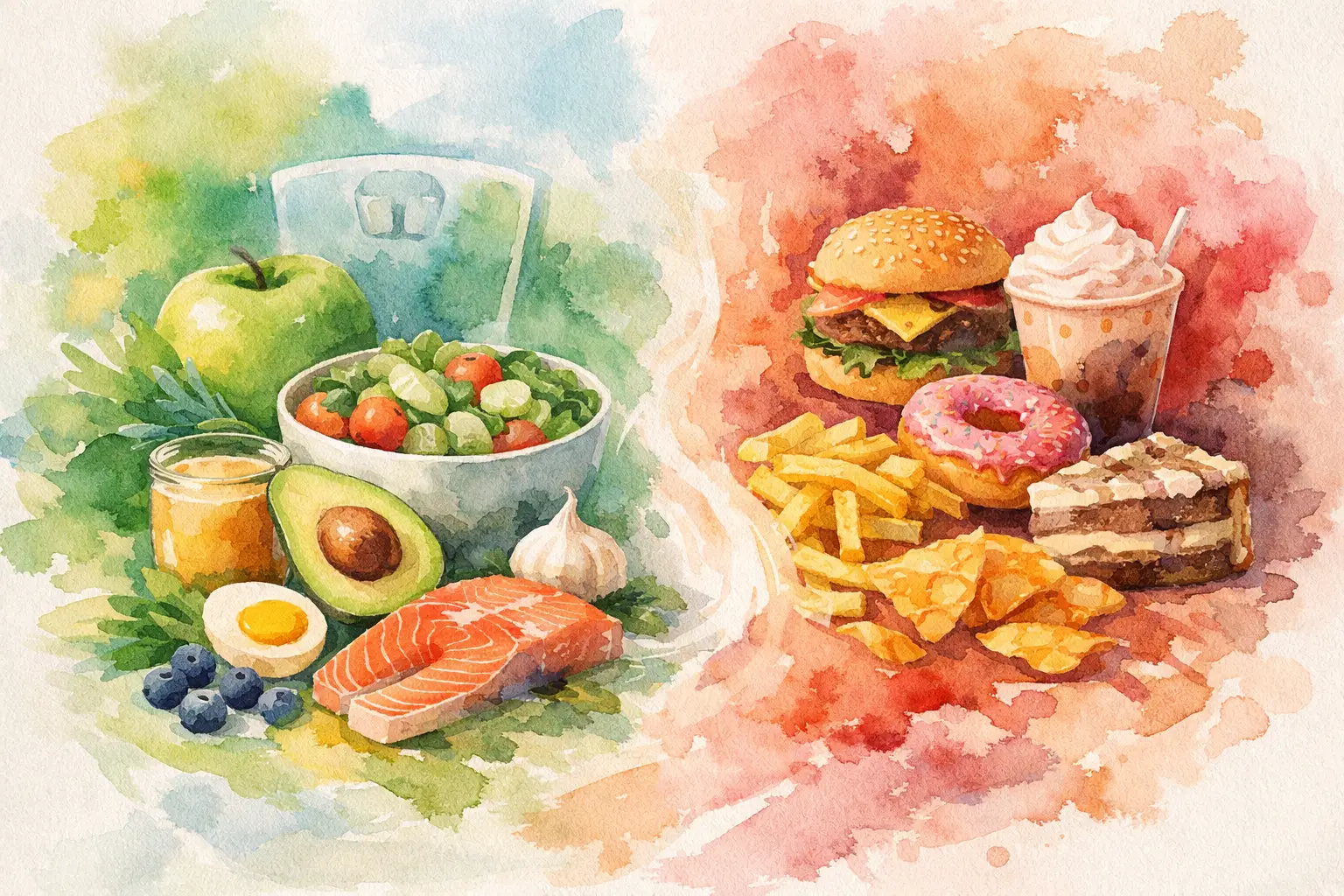
You can usually spot a fad diet by how quickly it promises change. Lose a dress size in a week. Cut out entire food groups. Follow a rigid chart with no room for family meals, office lunches or the occasional dessert. The problem with nutrition coaching vs fad diets is not just speed versus patience. It is the difference between a short-term rulebook and a personalised plan built for your real life.
For many people, fad diets feel tempting because they offer certainty. Someone tells you exactly what to eat, what to avoid and when results should show up. If you have been struggling with weight, bloating, energy dips or confusing health advice, that kind of structure can feel reassuring. But reassurance is not the same as sustainability.
Why nutrition coaching vs fad diets matters
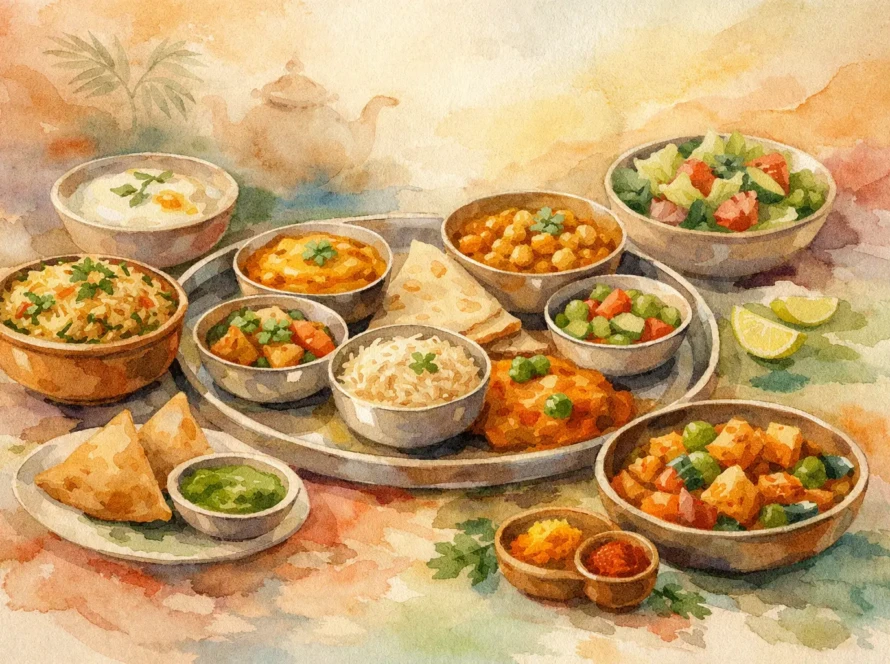
Most people do not fail diets because they lack discipline. They fail because the plan was never designed around their routine, medical needs, food preferences, stress levels or relationship with food. A working professional in Mumbai with long commutes, a new mother in Delhi managing postpartum recovery, and a fitness-focused adult in Bangalore training five times a week should not all be eating from the same template.
That is where nutrition coaching changes the conversation. Instead of asking, “How little can I eat to lose weight fast?” it asks, “What approach will help me improve my health and keep the results?” This is a very different starting point, and it leads to very different outcomes.
Fad diets tend to focus on restriction first and consequences later. Nutrition coaching looks at the full picture first – your blood markers, appetite patterns, sleep, activity, medical history, digestion, family responsibilities and long-term goals. The aim is not just to shift the number on the scale, but to help you feel better, function better and maintain progress without constant struggle.
What fad diets usually get wrong
A fad diet often works by creating an extreme calorie deficit or by removing major categories of food. That can lead to quick initial weight loss, but much of it may come from water loss, glycogen depletion and unsustainable restriction rather than meaningful fat loss.
The bigger issue is what happens next. Hunger rises. Cravings build. Social eating becomes difficult. Energy can drop, workouts suffer and the plan starts to feel impossible to maintain. Then comes the guilt cycle – overeating, restarting, giving up, then trying the next trend.
This pattern is especially risky for people with thyroid concerns, diabetes, high blood pressure, PCOS, digestive issues or a history of disordered eating. In these cases, generic diet rules can do more harm than good. Even for otherwise healthy adults, extreme dieting can create an all-or-nothing mindset that makes balanced eating feel harder, not easier.
Fad diets also ignore context. They do not care whether you are vegetarian, whether you work night shifts, whether you are pregnant, whether you cook for children, or whether your workday leaves you ten minutes for lunch. Real nutrition has to fit real life. If it does not, it will not last.
What nutrition coaching actually looks like
Nutrition coaching is not a stricter version of dieting. Done properly, it is a guided process that helps you understand your body, improve your habits and follow a plan you can genuinely live with.
A coach or dietitian looks at where you are now and where you want to go. That may mean weight loss, better blood sugar control, improved sports performance, healthier pregnancy nutrition, support for a child’s eating habits or simply more consistent energy through the day. From there, the guidance becomes specific.
That specificity matters. Someone trying to lose weight with a sedentary desk job needs a different meal structure from someone training for endurance events. A person managing diabetes needs a different carbohydrate strategy from someone focused on muscle gain. A family trying to improve children’s eating habits needs practical routines, not a list of forbidden foods.
Good coaching also includes accountability. Not in a punishing way, but in a supportive one. You review what is working, where you are getting stuck and what needs adjusting. Maybe the issue is late-night snacking because lunch is too light. Maybe weekend eating is derailing weekday progress. Maybe your plan looks good on paper but does not fit your travel schedule. Coaching makes those adjustments before frustration turns into quitting.
Nutrition coaching vs fad diets for weight loss
If your goal is weight loss, nutrition coaching usually feels slower at the beginning because it is not built on extremes. That can make people impatient, especially if they are used to dramatic promises. But slower does not mean ineffective. It often means more honest.
Sustainable fat loss depends on habits you can repeat – balanced meals, portion awareness, consistent protein intake, smarter snacking, manageable calorie control, movement that fits your routine and enough flexibility to enjoy life without guilt. None of that sounds flashy, but it works.
Fad diets often deliver fast visible change followed by rebound weight gain. Nutrition coaching aims for progress you can hold on to. That may mean losing weight steadily while improving digestion, reducing emotional eating and building routines that still work during busy workweeks, festivals or family gatherings.
There is also a mental difference. Fad diets encourage obedience. Nutrition coaching builds skills. You learn how to assemble meals, manage hunger, read patterns in your eating and make better decisions even when life is messy. That confidence is a major reason results last longer.
When people choose fad diets anyway
It is worth being honest here: fad diets appeal for a reason. They feel simpler than personalised guidance. There are fewer decisions. The rules are clear. If you need a quick reset before an event, a short-lived restrictive plan may even lead to temporary weight loss.
But temporary is the key word. If your goal is a wedding in two weeks, you may accept trade-offs like low energy, irritability and rebound eating later. If your goal is lasting health, improved body composition, better medical markers or a stronger relationship with food, the trade-off is usually not worth it.
This is why the best approach depends on your real objective. Are you chasing urgency, or are you building results you can maintain for months and years?
How to tell if a plan is coaching or just another diet
The label does not always tell you much. Plenty of programmes call themselves coaching while handing out generic meal charts. A personalised approach should adapt to you, not force you into a one-size-fits-all system.
Look for signs of true individualisation. Are your health conditions considered? Are your food preferences respected? Is there flexibility for work schedules, travel, cultural eating patterns and family meals? Are progress reviews used to adjust the plan? If the answer is no, it may be a diet in coaching clothing.
A strong nutrition plan should also avoid fear-based messaging. You do not need to be told that rice is the enemy, fruit is too sugary, or one indulgent meal has ruined everything. Most people do better with structure plus flexibility than with restriction plus shame.
The real advantage of expert support
One of the biggest benefits of expert-led nutrition coaching is clarity. There is a huge difference between following internet advice and getting guidance shaped around your body and goals. This becomes even more important when health conditions, pregnancy, sports performance or family nutrition are involved.
An experienced practitioner can spot patterns you may miss. Perhaps your weight plateau is linked to inconsistent meal timing. Perhaps your fatigue is coming from under-eating protein. Perhaps your child’s picky eating needs a gradual behavioural approach rather than pressure at mealtimes. These are not things a fad diet can solve.
This is also where a service-led practice such as LivFit Today stands apart from generic diet trends. The focus is not on starving your way to quick results, but on creating measurable change through balanced, personalised nutrition that fits everyday life.
A better question to ask yourself
Instead of asking, “Which diet works fastest?” ask, “What can I follow without feeling miserable, obsessed or constantly off track?” That question usually leads you away from trends and towards support that respects your routine, your health and your long-term goals.
The best nutrition plan is rarely the most extreme one. It is the one you can return to on busy Mondays, celebratory weekends, stressful months and ordinary days when motivation is not perfect. If your approach helps you eat well consistently, enjoy food and see steady progress, you are already on stronger ground than any fad can offer.
Your body does not need another punishing experiment. It needs a plan that makes healthy living feel practical, achievable and worth sticking to.