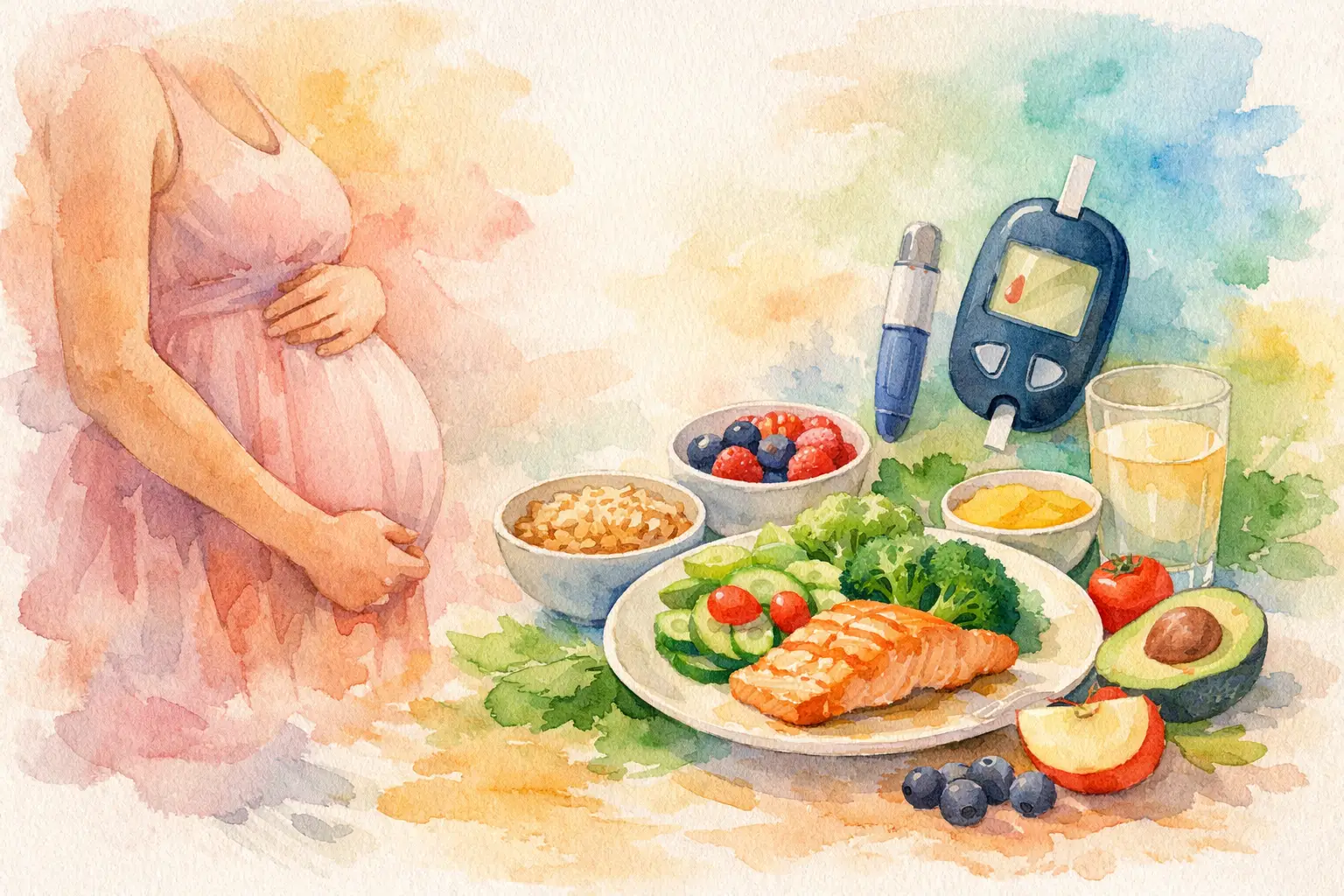
A positive test for gestational diabetes can make every meal suddenly feel loaded with pressure. The good news is that a sensible gestational diabetes meal plan example is not about eating less, skipping carbohydrates, or living on plain salads. It is about choosing the right balance of foods, spacing meals well, and building a pattern that supports both your blood sugar and your pregnancy.
For most women, the biggest shift is not perfection. It is consistency. Regular meals, balanced plates, and smart snack choices often make a bigger difference than dramatic diet changes. That matters even more if you are working, commuting, dealing with nausea, or simply trying to eat normally while pregnant.
What a gestational diabetes meal plan example should do
A useful plan should keep your meals steady rather than restrictive. That means including carbohydrates in controlled portions, pairing them with protein, healthy fats, and fibre, and avoiding long gaps without food. When you eat this way, your blood glucose is less likely to spike sharply after meals or crash later in the day.
There is no single plan that suits everyone. Your blood sugar readings, activity level, trimester, appetite, cultural food choices, and whether you are vegetarian all affect what works best. Still, the structure tends to stay similar. Three moderate meals and two to three planned snacks often work better than a few large meals.
The basic plate pattern that usually works
Think of each main meal as a combination of one controlled carbohydrate source, one good protein source, plenty of non-starchy vegetables, and a little healthy fat. This helps slow digestion and gives you more stable energy.
Carbohydrates are still necessary in pregnancy. Your baby needs them, and completely cutting them usually backfires. The focus should be on portion and quality. Foods such as oats, brown rice, wholegrain roti, millets, fruit, beans, and dairy can all fit, but the amount and timing matter.
Breakfast often needs extra attention. Many women notice higher blood sugar in the morning because of hormonal changes. In that case, a breakfast with moderate carbohydrate and strong protein support may work better than a carb-heavy start such as toast, juice, and fruit together.
Gestational diabetes meal plan example for one day
Here is a practical day of eating that shows how balance can look in real life. This is an example, not a prescription.
Early morning
If you wake up hungry, start with a small option such as 5 to 6 soaked almonds and a glass of water, or a small cup of unsweetened milk. Some women do better when they do not wait too long for breakfast.
Breakfast
Two besan chillas with paneer filling and a side of cucumber, or two small vegetable omelettes with one slice of wholegrain toast. If you prefer oats, make a savoury oats porridge with vegetables and add curd or boiled egg on the side.
This kind of breakfast gives protein first, with a measured amount of carbohydrate. It is often more blood sugar friendly than cornflakes, biscuits, sweet cereal, or fruit smoothies.
Mid-morning snack
One small apple with peanut butter, or a small bowl of plain Greek yoghurt with chia seeds. If fruit pushes your reading up, try half a portion at a time and pair it with protein.
Lunch
One to two medium wholewheat rotis, one bowl of dal or grilled chicken or fish, one bowl of sabzi, salad, and a small cup of curd. If you prefer rice, replace the rotis with a small portion of brown rice or hand-pounded rice.
Lunch does not need to be fancy. It needs to be balanced. Many home-cooked Indian meals can work very well when the portion of rice or roti is sensible and there is enough protein on the plate.
Evening snack
Roasted chana with buttermilk, or a vegetable sandwich made with wholegrain bread and paneer, or boiled sprouts chaat with chopped onion, tomato, and lemon. This snack is useful because evening hunger often leads to tea-time choices that spike blood sugar, such as rusks, namkeen, bakery items, or sweets.
Dinner
Grilled fish or tofu with stir-fried vegetables and one small multigrain roti, or chicken curry with sautéed vegetables and a small serving of quinoa, or mixed dal khichdi made with extra vegetables and a side of curd.
Dinner is usually best kept lighter than lunch, but not too light. If dinner is just soup or fruit, late-night hunger can become a problem and next-morning readings may suffer.
Bedtime snack
A small glass of milk, or a few nuts with plain yoghurt, or half a chapati with paneer. This depends on your fasting blood glucose pattern. Some women benefit from a bedtime snack, especially if there is a long gap between dinner and breakfast.
How to adjust this meal plan to your routine
This is where real progress happens. A plan only works if it fits your day. If you are commuting in Delhi traffic, working late in Mumbai, or balancing a family schedule in Bangalore, meal timing becomes just as important as meal content.
If you cannot cook fresh meals during work hours, build around practical options. Carry roti rolls with paneer or chicken, roasted makhana, unsweetened yoghurt, boiled eggs, nuts, or cut vegetables. A homemade lunch is ideal, but a prepared balanced meal is still better than skipping lunch and overeating later.
If you are vegetarian, protein deserves more planning. Dal alone may not always be enough. Use paneer, curd, Greek yoghurt, tofu, soy chunks, chana, rajma, sprouts, and besan more deliberately across the day. The goal is not just filling your stomach. It is improving how your meal affects blood sugar.
Foods that often need caution
Some foods look healthy but can raise blood glucose quickly when eaten alone or in large portions. Fruit juice is a common example. Even fresh juice misses the fibre that whole fruit provides. Breakfast cereals, sweetened yoghurt, honey, jaggery, biscuits, bakery snacks, and large portions of white rice can also be tricky.
That does not mean you can never eat foods you enjoy. It means they may need better timing, smaller portions, or a protein pairing. For example, fruit may work better as a snack with nuts than as a large fruit bowl after a meal. Rice may work better in a measured portion with dal, sabzi, and salad than as the main bulk of lunch.
Monitoring matters more than copying someone else’s plan
One woman may tolerate two rotis at lunch very well, while another sees a spike with the same meal. That is why blood glucose monitoring matters. It gives you feedback on your actual response, not a generic rule.
Use your readings to notice patterns. If breakfast numbers are high, your morning carbohydrates may need adjusting. If fasting levels stay raised, dinner composition or bedtime snacking may need work. If you feel tired, shaky, or constantly hungry, your meals may be too small or unbalanced.
This is also why personalised guidance can save a lot of frustration. A structured plan built around your reports, appetite, medical history, and routine is more effective than trying random internet advice. At LivFit Today, this is exactly the difference we aim to create – practical nutrition that fits real life and delivers measurable health support.
A few realistic rules that help most women
Try not to skip meals. Keep long gaps to a minimum. Include protein each time you eat. Spread carbohydrates through the day instead of saving them for one large meal. Choose whole foods more often than refined ones. And give yourself room to learn rather than panic after one high reading.
Also, keep perspective. Gestational diabetes management is not a test of willpower. Hormones are involved, and sometimes even a careful meal plan needs further adjustment. If your doctor recommends insulin or medication, that is support, not failure.
When to get extra help
If your readings stay high despite eating carefully, if you are losing weight unintentionally, if nausea is making meals difficult, or if you feel confused by conflicting advice, speak to your doctor and a qualified dietitian. Pregnancy nutrition should feel supportive, not punishing.
A good plan should leave you nourished, reassured, and clear about what to do next. That is the standard to aim for. Start with balance, watch your patterns, and remember that steady choices made day after day usually do far more than chasing a perfect diet on paper.