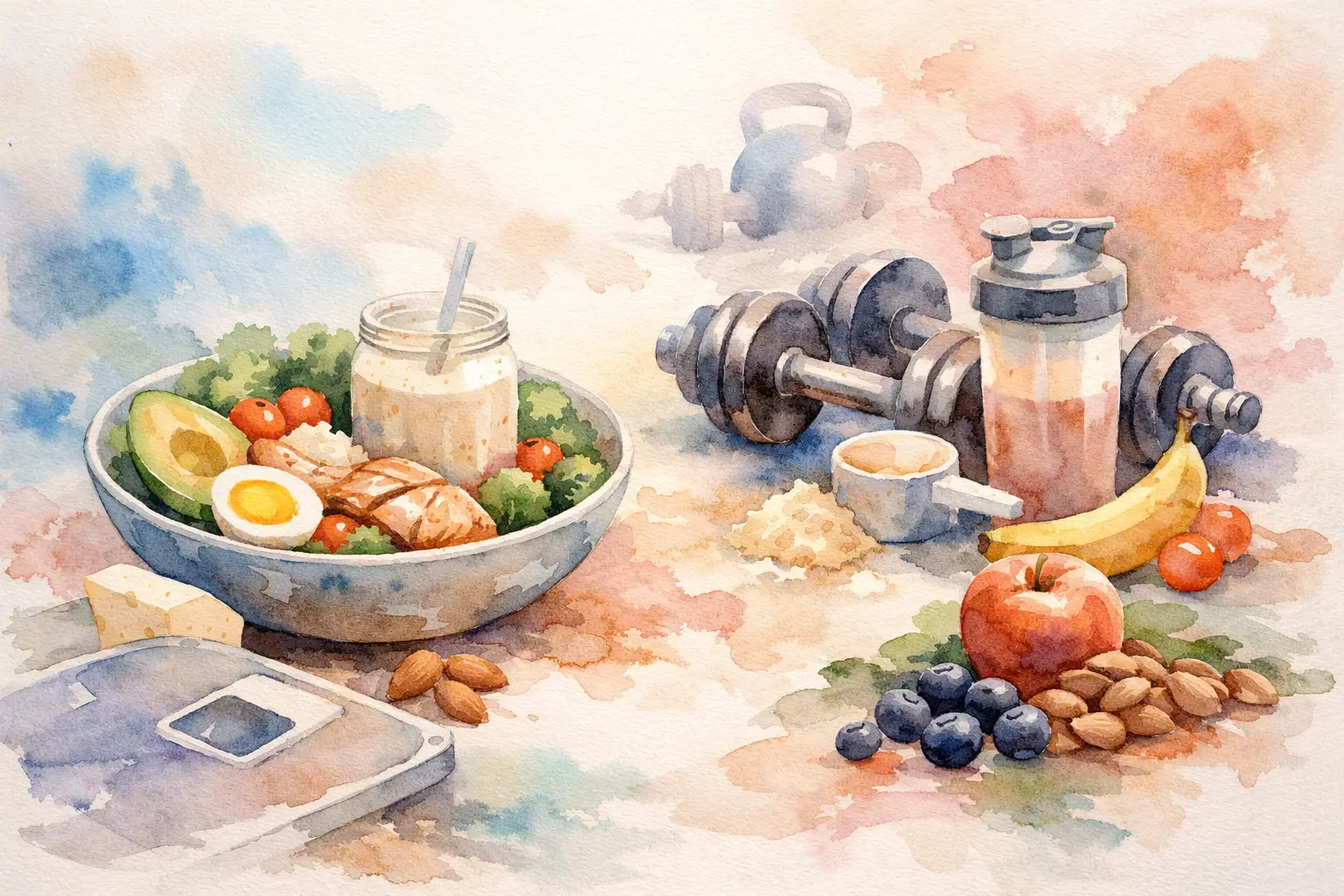
Gaining weight sounds easy until you are the one trying to do it. If you have spent months eating more, skipping meals by accident, or relying on junk food without seeing the right change on the scale, a customised diet plan for weight gain can make the difference between random effort and measurable progress.
For many adults, the real challenge is not simply eating extra food. It is eating enough of the right foods, at the right times, in a way that suits work schedules, digestion, appetite, medical needs and fitness goals. Healthy weight gain should improve strength, energy and overall wellbeing – not leave you feeling sluggish, bloated or frustrated.
Why a customised diet plan for weight gain matters
A generic high-calorie chart may help some people, but it often fails in real life. Your body weight, metabolism, activity level, appetite, food preferences and medical history all affect how much you need to eat and how your body responds.
Someone with a fast metabolism and long office hours will need a very different plan from a woman recovering after pregnancy, a college student with irregular meals, or a gym-goer trying to build muscle. Even digestive comfort matters. If milk upsets your stomach or heavy meals kill your appetite, the plan must work around that rather than forcing foods that you cannot sustain.
That is why customised planning works better than copying meals from social media. It turns weight gain into a structured process. You know how much to eat, where your calories are coming from, and how to adjust when progress slows down.
What healthy weight gain should actually look like
The goal is not just to see a higher number on the scale. Healthy weight gain usually means adding lean mass, supporting better recovery, improving energy levels and reducing the physical strain of being underweight.
In most cases, steady progress is better than aggressive overfeeding. Gaining too quickly can increase body fat, affect digestion and make the plan harder to maintain. For someone who is underweight, frequently tired or losing muscle, gradual weight gain with balanced nutrition is often the smarter route.
This usually involves a calorie surplus, but quality matters. Extra calories from fried snacks and sugary drinks may increase weight, yet they will not offer the same support as meals that also provide protein, healthy fats, complex carbohydrates, vitamins and minerals.
Signs your current approach is not working
If you often miss breakfast, feel full after a few bites, depend on tea and biscuits between meals, or eat one large dinner and hope for results, your intake may be too inconsistent. Another common issue is training hard in the gym without increasing calories enough to support muscle gain.
Sometimes the obstacle is medical. Thyroid imbalance, poor gut health, low appetite, stress, frequent illness and nutrient deficiencies can all interfere with weight gain. In these situations, a meal plan should not be built on calories alone.
Building a customised diet plan for weight gain
A good plan starts with your baseline. Current weight, height, activity level, work routine, sleep pattern and food habits all help estimate how much energy your body needs before any surplus is added.
From there, the focus shifts to meal structure. Many people do better with five to six eating occasions rather than three oversized meals. Smaller, calorie-dense meals are often easier to manage if appetite is low. This also helps reduce the discomfort that comes from trying to force too much food in one sitting.
Protein should be spread through the day. This supports muscle repair and makes weight gain more productive, especially if you are doing resistance training. Good options may include paneer, curd, Greek yoghurt, eggs, chicken, fish, dal, tofu, soy, nuts and seeds, depending on your dietary pattern.
Carbohydrates provide the main energy support. Rice, chapati, oats, potatoes, sweet potatoes, fruits, poha, upma and wholegrain breads can all fit well. Healthy fats make it easier to raise calories without increasing meal volume too much. Nut butters, ghee in moderate amounts, seeds, coconut, avocado and full-fat dairy can help here.
Meal timing matters more than most people think
If you wait until you feel very hungry, you may still not eat enough. Busy professionals often under-eat during the day and try to compensate at night, which rarely works well. Planned timing is more effective.
A simple pattern could include breakfast within an hour or two of waking, a mid-morning snack, lunch, an evening snack, dinner and a pre-bed option. The exact timings depend on your routine, but consistency is what supports results.
Pre- and post-workout nutrition also matters if your goal includes muscle gain. A banana with peanut butter, a smoothie, milk with oats, or a curd-based snack before training may help. After training, protein with carbohydrates supports recovery and helps your body use the calorie surplus better.
Foods that help you gain weight without feeling heavy
The best foods for weight gain are usually those that combine calorie density with useful nutrition. Homemade smoothies work well because they are easier to consume than a huge plate of food. A blend of milk or curd, banana, oats, dates, peanut butter and seeds can add meaningful calories in one serving.
Other practical choices include stuffed parathas with curd, paneer sandwiches, egg rolls, khichdi with ghee, rice with dal and vegetables, nuts with dried fruit, cheese toast, hummus wraps and fruit with yoghurt. These are realistic foods for Indian households and urban routines, not extreme bodybuilding meals.
It also helps to upgrade foods you already eat. Add nut butter to toast, seeds to porridge, paneer to salads, extra dal with rice, or a side of curd with lunch. Small additions across the day can significantly increase total intake.
When the plan should change
A weight gain diet should not stay fixed forever. If your weight has not moved for two to three weeks, calorie intake may need adjusting. If you are gaining but feeling constantly bloated or sleepy, food quality, portion sizes or timing may need to be reviewed.
The same applies if your goal changes. Someone who starts with general weight gain may later want a stronger focus on muscle building, sports performance or recovery after illness. A truly customised plan evolves with you.
This is especially important for people with diabetes, thyroid concerns, PCOS, digestive issues, high cholesterol or post-surgery recovery. Weight gain in these cases must be handled carefully so that improving one health goal does not worsen another.
Common mistakes that slow down progress
One of the biggest mistakes is relying on appetite alone. Another is assuming that more junk food equals faster results. That can raise calories, but it often comes with poor energy, skin breakouts, digestive trouble and unwanted fat gain.
Skipping protein is another problem. So is copying a gym influencer’s meal plan without considering your body size, budget or food preferences. The best diet is not the most extreme one. It is the one you can follow consistently for months.
Hydration is often overlooked too. Some people drink too much water immediately before meals and blunt their appetite. Others ignore fluids and end up with poor digestion. Balance matters here.
Who benefits most from expert guidance
If you have always struggled to gain weight, feel confused about calories, or have a health condition that affects your diet, professional support can save time and guesswork. A structured plan is especially useful for working adults with irregular schedules, women in recovery phases, fitness-focused individuals and teenagers or young adults with poor eating routines.
At LivFit Today, this type of planning is not about handing over a standard chart and hoping for the best. The real value comes from shaping nutrition around your routine, your appetite and your health status so that weight gain feels manageable and sustainable.
Progress is not always linear, and that is normal. Some weeks will move faster than others. What matters is whether your plan supports steady improvement, better strength and habits you can actually live with.
If weight gain has felt harder than it should, that does not mean your body is impossible to change. It usually means your approach needs to fit you more closely – and once it does, healthy progress becomes much more realistic.