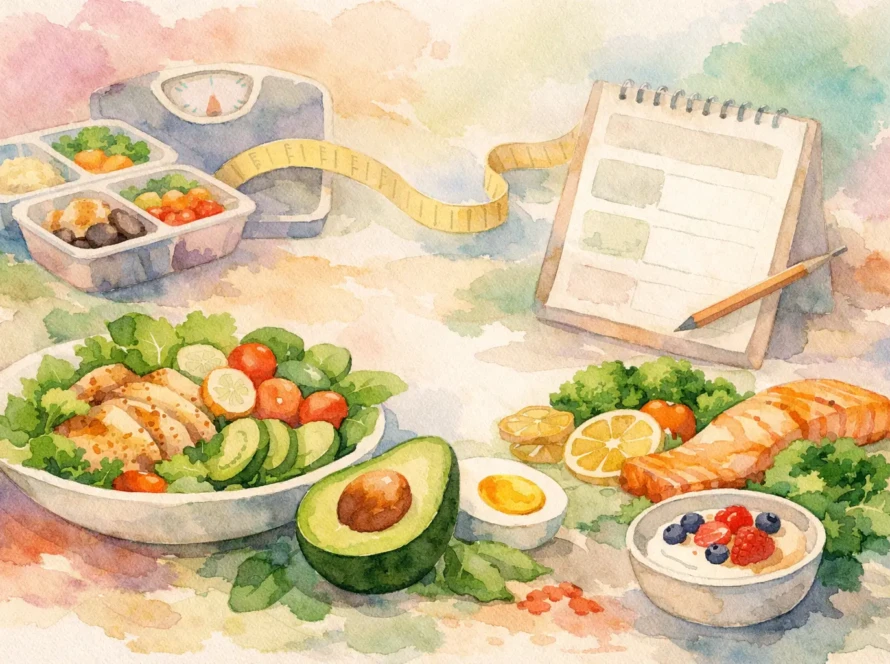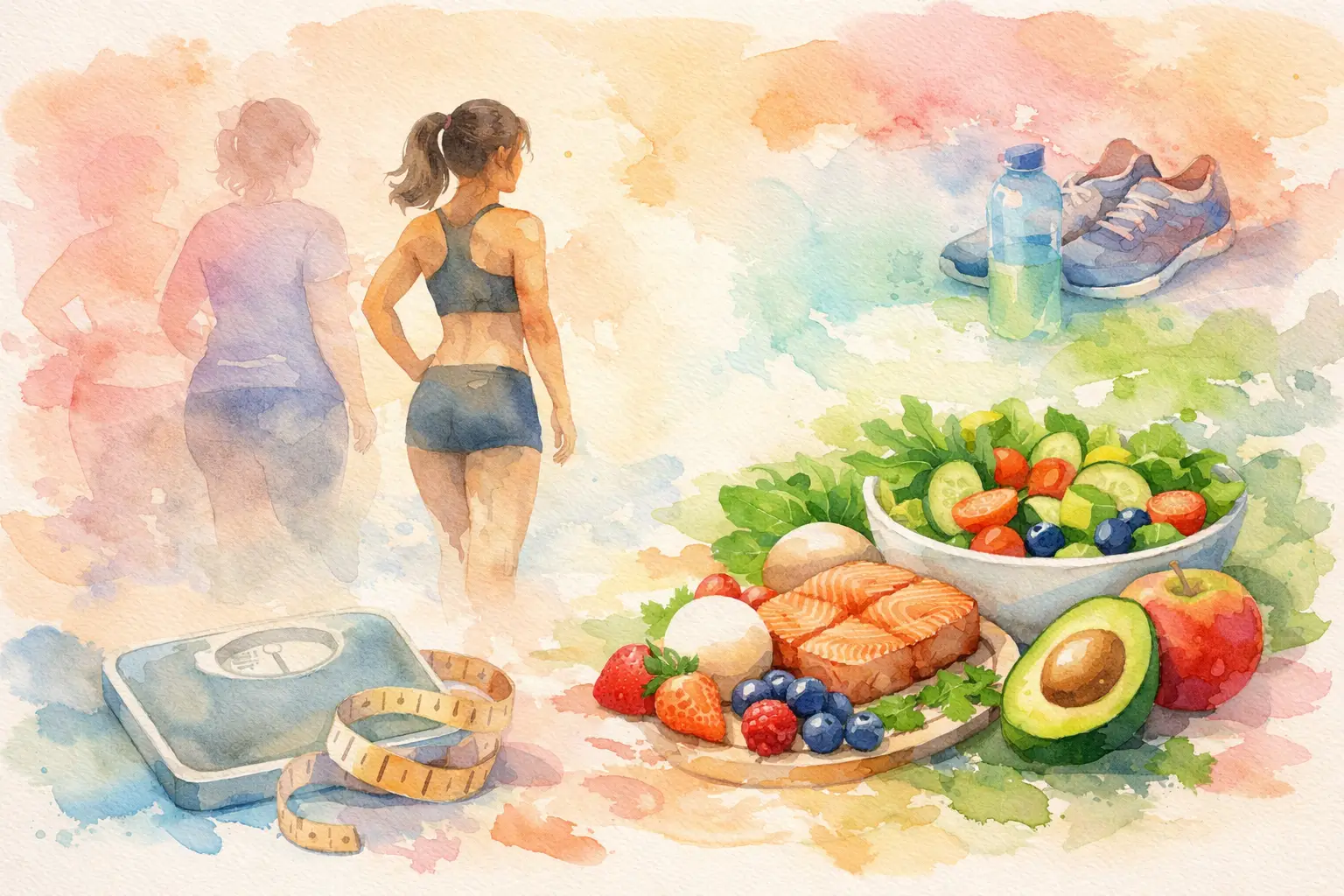
The problem with most before-and-after stories is that they show the outcome, not the routine that made it possible. If you are searching for a weight loss transformation nutrition example, what you usually want is something far more useful than motivation – you want to see what a realistic food plan looks like, how meals are structured, and why the results can actually last.
That matters because sustainable weight loss is rarely about eating as little as possible. It is about eating in a way that reduces excess body fat, supports energy, manages hunger, and fits around work, family life, travel, social meals, and the occasional imperfect day. A good transformation is not built on punishment. It is built on consistency.
What a weight loss transformation nutrition example should include
A proper example is not just a list of low-calorie meals. It should show the thinking behind the plan. That means calorie control without extreme restriction, enough protein to protect muscle mass, fibre to improve fullness, balanced carbohydrates for energy, and fats in sensible portions for satisfaction and hormone support.
It should also reflect the person. A woman with PCOS, a man with long office hours, a new mother navigating sleep disruption, and someone training five days a week will not all need the same approach. The biggest mistake people make is copying a plan that worked for somebody else without checking whether it suits their medical history, appetite patterns, schedule, and food preferences.
A realistic weight loss transformation nutrition example
Let us take a practical case. Imagine a 34-year-old working professional in Bangalore with a desk-based job, mild insulin resistance, frequent evening cravings, and a goal to lose 8 to 10 kg over three months. Previous attempts included skipping breakfast, drinking too much coffee, and eating very little during the day before overeating at night.
In this situation, the nutrition strategy would not be starvation. It would be meal timing, appetite control, and better quality intake across the day. The calorie deficit would be moderate, not aggressive, because aggressive plans often backfire through fatigue, mood changes, and rebound eating.
Morning structure
The day might begin with a protein-led breakfast instead of just tea and biscuits. For example, vegetable oats with curd, or two besan chillas with paneer filling, or eggs with multigrain toast and sautéed vegetables. If the person prefers a lighter option, Greek yoghurt with seeds and fruit can work, but it needs enough protein to avoid a mid-morning crash.
This shift does two things. First, it reduces the blood sugar swings that can trigger cravings later. Second, it gives the day structure. People who say they have no willpower by 8 pm are often simply underfed by 2 pm.
Midday meals
Lunch would be built around a simple plate formula. Half the plate from vegetables or salad, one quarter from protein such as dal, chicken, fish, paneer, tofu, or curd, and one quarter from carbohydrates such as roti, rice, millet, or quinoa. That keeps meals balanced without making food feel clinical.
A realistic lunch could be two rotis, grilled chicken or paneer, mixed sabzi, and curd. Another option could be rice, dal, stir-fried vegetables, and a side of salad. The exact foods can vary by culture and preference, but the principle remains the same – enough volume, enough protein, and controlled portions of calorie-dense items.
Managing the danger zone
For many people, transformation is won or lost in the late afternoon and evening. This is when stress, hunger, and habit meet. Instead of waiting until dinner and then overeating, a planned snack is often the smarter move.
That snack could be roasted chana, buttermilk, fruit with nuts, a boiled egg, or a small protein smoothie. The goal is not to graze all day. The goal is to prevent the type of hunger that makes takeaways, sweets, and oversized dinners feel impossible to resist.
Dinner without overcomplicating it
Dinner should usually be lighter than lunch, but not so light that it leads to post-dinner snacking. A sensible meal might be soup with a paneer salad, grilled fish with vegetables, tofu stir-fry, or one to two rotis with dal and sabzi. If somebody trains in the evening, they may need slightly more carbohydrate at dinner than someone who is mostly sedentary.
This is where trade-offs matter. Some people do well with lower-carbohydrate dinners because it helps appetite control. Others sleep badly or feel unsatisfied if they cut carbohydrates too much. The best plan is the one the person can repeat calmly for weeks, not the one that looks the strictest on paper.
What changed during the transformation
In a strong nutrition-led transformation, the visible weight loss is only one part of the story. The person often stops skipping meals, improves protein intake, reduces mindless snacking, drinks more water, and learns portion awareness. Sleep and stress are also addressed, because poor sleep can increase hunger and reduce decision-making around food.
After four weeks, the progress may look modest from the outside – perhaps 2 to 3 kg down, reduced bloating, steadier energy, and fewer cravings. That is exactly where many people go wrong. They expect dramatic change and abandon the plan just as their habits are starting to work.
By eight to twelve weeks, the pattern becomes more visible. Weight reduces more steadily, waist measurements drop, clothes fit differently, and weekend overeating becomes less common because the weekday routine is more stable. A transformation that lasts usually feels boring in places. That is not failure. That is structure doing its job.
Why crash diets fail this test
A lot of popular plans create fast early results by cutting calories too hard or removing entire food groups. Yes, the scales may move quickly. But many people then deal with low energy, irritability, social frustration, constipation, and eventual regain.
A better transformation plan asks a more useful question – can this person still follow the basics during a busy Monday, a restaurant dinner, a family function, or a stressful week at work? If the answer is no, the plan is too fragile.
This is also why personalised diet support matters. Someone with thyroid concerns, diabetes, PCOS, digestive issues, or postpartum recovery may need a more careful structure than a generic online chart can provide. The safest and most effective approach is one that respects both the goal and the person’s health context.
How to adapt this example to your own life
You do not need to copy every meal in this weight loss transformation nutrition example. You need to copy the logic. Build each meal around protein. Keep high-fibre foods present daily. Create a calorie deficit you can actually tolerate. Plan for the times you usually lose control. And leave room for normal life.
If you are vegetarian, the challenge is often protein quality and quantity, so meals may need more paneer, curd, tofu, soya, lentils, and well-planned combinations. If you work shifts, meal timing may matter more than standard breakfast-lunch-dinner routines. If your biggest issue is emotional eating, nutrition alone may not solve it unless stress patterns and triggers are addressed too.
This is where expert guidance can speed things up. A structured plan from a practice such as LivFit Today is not valuable because it is strict. It is valuable because it is tailored. The right plan accounts for your schedule, health conditions, likes, dislikes, and realistic pace of change.
The result people often miss
The most successful transformation is not the one with the fastest drop. It is the one where the person knows what to eat on ordinary days, what to do after an indulgent meal, and how to stay on track without guilt. That is how weight loss becomes maintainable instead of temporary.
If your past attempts have left you tired, confused, or stuck in the cycle of being very good and then completely off-plan, take that as useful information. You probably do not need more restriction. You need a better structure, better portions, and a nutrition approach built for real life. Start there, and the visible change has a far better chance of staying with you.