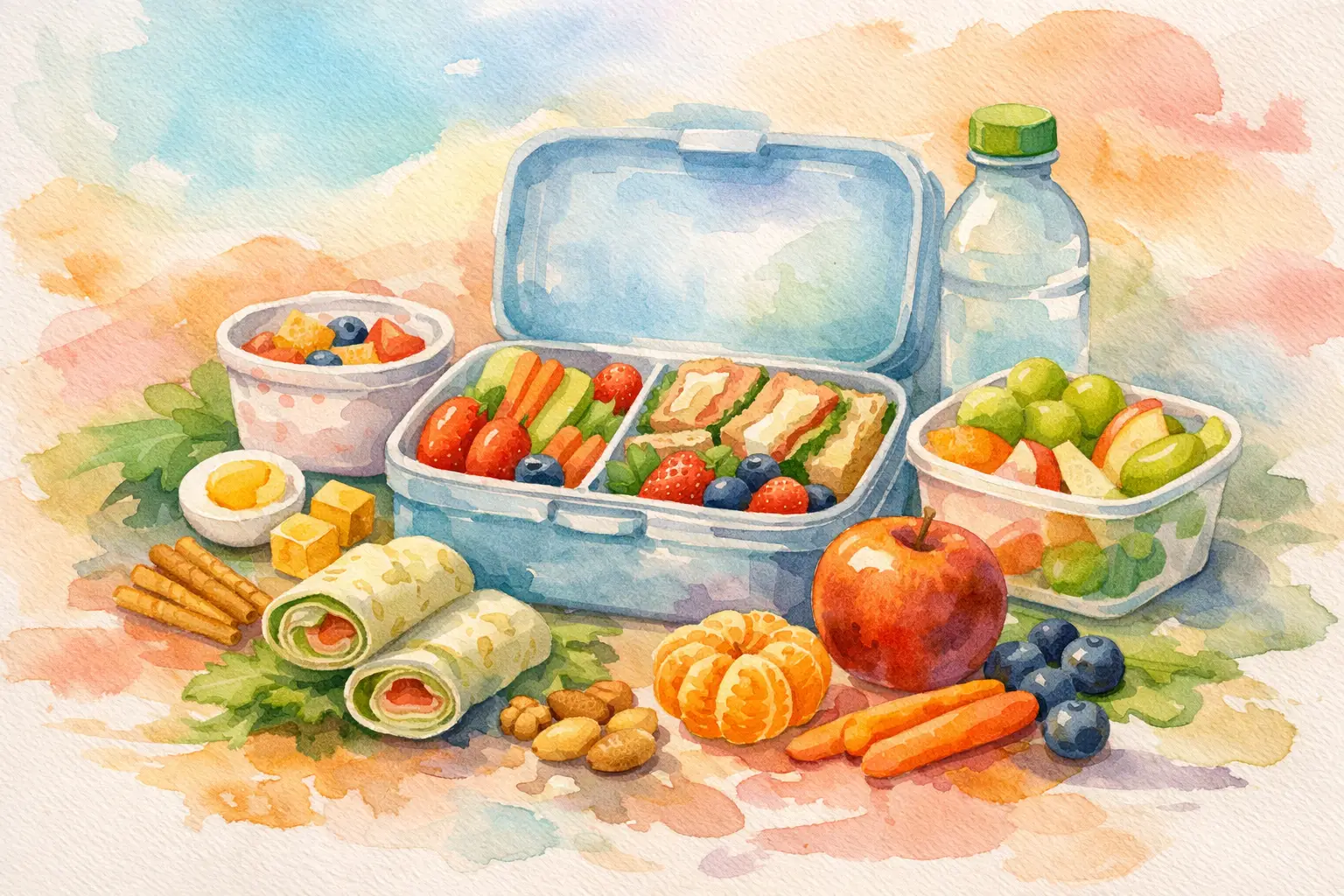
By 8 am, most parents are already negotiating breakfast, school bags and missing water bottles. Lunch often gets packed in a rush, which is exactly why healthy lunchbox ideas for children need to be simple, balanced and realistic enough to repeat through a busy week.
A good lunchbox does not need to be fancy. It needs to do three things well: keep your child full until the next meal, support steady energy through the school day and include foods they are actually willing to eat. That balance matters more than trying to make every lunchbox look perfect.
What makes healthy lunchbox ideas for children work?
The strongest lunchboxes usually follow a simple structure rather than a complicated recipe. Aim for a source of protein, a slow-release carbohydrate, some fibre and at least one fruit or vegetable. This helps avoid the common pattern of a lunch that looks healthy but leaves a child hungry an hour later.
Protein is especially useful because it supports fullness, growth and concentration. That could come from paneer, egg, yoghurt, chicken, hummus, cheese, lentils or nut butter where school rules allow it. Carbohydrates are not the enemy here. Children need them for energy, but choosing options such as chapati, wholegrain bread, oats, rice, poha or idli often works better than highly processed snacks that cause quick hunger.
It also helps to remember that appetite is not the same for every child. A younger child may manage a smaller lunch and a larger evening snack, while an older child with sports practice may need a more substantial midday meal. This is where parents often get stuck – they copy another child’s lunchbox instead of packing to their own child’s needs.
12 healthy lunchbox ideas for children
1. Vegetable paneer chapati rolls
Soft chapati wraps with lightly spiced paneer and grated vegetables are easy to hold and usually less messy than a sabzi-and-roti combo. If your child dislikes mixed textures, keep the filling simpler with paneer and a mild spread.
2. Mini idlis with coconut chutney and cucumber
Mini idlis travel well and are easy for younger children to eat. Add cucumber sticks or cherry tomatoes on the side for crunch. If chutney feels impractical, a dry podi mix with a little ghee can work just as well.
3. Egg mayo sandwich with fruit
An egg sandwich can be a reliable protein-rich option, especially for children who prefer familiar foods. Use wholemeal bread if your child accepts it, but if they only eat white bread, it is still better to serve a balanced sandwich than send back an untouched lunch.
4. Lemon rice with peanuts and carrot sticks
This is a practical choice for children who prefer traditional lunches over bread-based meals. The peanuts add texture and some protein, though this depends on school allergy policies. If nuts are not allowed, pair the rice with yoghurt at home before school or add a boiled egg separately.
5. Cheese and sweetcorn quesadilla triangles
These are useful when you need something quick but filling. Add mashed beans or shredded chicken if your child needs more protein. Cut into small triangles to make it easier to eat during a short school break.
6. Besan chilla fingers with mint yoghurt dip
Besan chilla is one of those foods that can be adapted endlessly. You can add grated courgette, spinach or carrot without changing the flavour too much. Slice into strips and pack a thick yoghurt dip separately.
7. Pasta salad with chicken or chickpeas
Cold pasta can work well if it is not overloaded with sauce. Keep it simple with pasta, olive oil, sweetcorn, cucumber and either shredded chicken or chickpeas. This tends to suit older children who want something more substantial.
8. Poha with peas and roasted chana
Poha is light, easy to digest and familiar for many Indian families. Pairing it with roasted chana makes the lunch more satisfying. If your child tends to get hungry quickly, add a banana or homemade yoghurt pot as well.
9. Homemade oat and banana pancakes with yoghurt
These work best for children who enjoy breakfast-style foods at lunch. Keep the pancakes low in added sugar and include a plain or lightly sweetened yoghurt for protein. This can be especially useful for fussier eaters who reject savoury packed lunches.
10. Dal paratha with curd and fruit
Dal stuffed into paratha gives you carbohydrate and protein in one item, which is helpful on busy mornings. Use a mild filling if your child is sensitive to spice. Pack sliced fruit separately to round it off.
11. Hummus and vegetable pitta pockets
This is a good option for children who like finger foods. Fill pitta with hummus, grated carrot, cucumber and cheese if needed. For some children, deconstructed lunchboxes work better, so you can also pack the same ingredients separately.
12. Rice, rajma and veggie cubes
A small portion of rajma rice can be comforting and filling, particularly in an insulated lunchbox. If your child is a slow eater, use less gravy to make it easier to manage. Add small cubes of beetroot, cucumber or steamed corn on the side.
How to build a balanced lunchbox without overthinking it
Parents often feel pressure to provide variety every single day, but consistency is not a problem if the meal is balanced. In fact, many children prefer repetition because it feels safe and familiar. A rotation of six to eight dependable lunches is usually more practical than trying a new recipe every morning.
A simple way to plan is to think in parts. Start with the main item, then add one fresh side and one easy extra. For example, a paneer wrap with apple slices and a yoghurt pot works well. So does idli with cucumber and a handful of roasted chana. Once you understand the pattern, lunch packing becomes much faster.
The extra matters because many lunchboxes are too low in protein or too small overall. That is when children come home overly hungry and start reaching for biscuits, crisps or anything instantly available. A balanced lunchbox can support better appetite control through the rest of the day.
Common mistakes parents make with children’s lunchboxes
One common mistake is focusing only on what looks healthy to adults. Dry salads, plain boiled vegetables or overly restrictive meals may tick a nutrition box, but if your child refuses them, they are not useful. School lunch needs to be realistic, easy to eat and enjoyable enough to finish.
Another mistake is relying too heavily on packaged snack foods labelled as healthy. A granola bar, juice box and flavoured yoghurt might seem convenient, but many of these options are high in sugar and low in satiety. Convenience has a place, especially for working parents, but it helps to use it selectively rather than build the entire lunch around it.
Portion size can also be tricky. Some parents pack too much, assuming a bigger lunch is better, while others pack too little because the child is a light eater at home. It often takes a bit of trial and feedback. If lunch comes back untouched, the issue may be time, texture, temperature or packaging rather than the food itself.
Practical tips for picky eaters
With picky eaters, pressure usually backfires. It is more effective to keep one accepted food in the lunchbox and pair it with a small amount of something less familiar. That allows exposure without turning lunch into a battle.
Presentation can help, but it does not need to be elaborate. Bite-sized pieces, easy-open containers and foods that can be eaten with clean hands often do better than meals requiring a spoon and careful handling. Some children also prefer foods kept separate, so a compartment lunchbox can be genuinely useful.
It is worth involving your child in planning too. Ask them to choose between two balanced options rather than asking open-ended questions. A child may resist a lunchbox less if they feel they had a say in it.
A realistic weekly approach for busy families
The best lunchbox routine is one you can maintain on a school morning. Batch-cooking helps. Prepare pancake batter, boiled eggs, chopped vegetables, stuffed parathas or idli batter in advance so you are not starting from scratch each day.
It is also sensible to work around your family’s actual routine. If mornings are rushed, choose lunches that can be packed in under five minutes. If your child has sports after school, make lunch more filling or send an extra snack. Healthy eating works best when it fits real life, not an ideal version of it.
For families who need more structure, a personalised approach can make a big difference, especially when there are concerns around poor appetite, fussy eating, growth or excess reliance on processed foods. That is where expert support from a practice like LivFit Today can help turn general advice into a plan that suits your child.
A well-packed lunchbox will not solve every feeding challenge, but it can make the school day easier, support better energy and take some pressure off evenings. Start with what your child already accepts, improve one element at a time and let consistency do the heavy lifting.