When thyroid symptoms affect your energy, weight, digestion and mood, it is understandable to want fast thyroid diet results. But the most meaningful progress rarely comes from cutting out every favourite food or following a generic online meal plan. It comes from eating in a way that supports your condition, medication routine, schedule and health goals.
For some people, results mean fewer energy crashes and better bowel regularity. For others, the priority is gradual weight loss, improved cholesterol levels or finding a routine that does not feel exhausting to maintain. A well-planned thyroid diet is not a cure for a thyroid disorder, nor should it replace prescribed treatment. It can, however, be a powerful part of feeling more in control of your health.
What Do Thyroid Diet Results Really Look Like?
The thyroid is a small gland with a big role in regulating metabolism, temperature, heart rate and energy use. When it is underactive, as in hypothyroidism, people may experience tiredness, weight gain, constipation, dry skin and feeling cold. With an overactive thyroid, or hyperthyroidism, symptoms can include unplanned weight loss, palpitations, anxiety and increased appetite.
That difference matters. There is no single thyroid diet that suits everyone, and results should not be judged only by the number on the scales. A person with hypothyroidism who is sleeping better, feeling less bloated, eating regular meals and steadily losing body fat is making real progress. Equally, someone with hyperthyroidism may need a food plan that helps them meet energy and protein needs while medical treatment brings thyroid levels under control.
The best results are usually practical and measurable: better meal consistency, improved strength, fewer cravings, more stable energy, healthier weight trends and nutrition markers that support overall wellbeing. Your doctor remains the right person to monitor thyroid function through blood tests and adjust medication where needed.
Why Weight Loss Can Feel Slower With Hypothyroidism
Many people come to a diet consultation after trying strict calorie cuts, skipping meals or removing entire food groups without seeing the expected change. With hypothyroidism, weight management can feel more difficult because a slower metabolism, fatigue, reduced activity and poor sleep may all work against consistency. Medication that is not yet correctly adjusted can also affect how you feel and function.
This does not mean weight loss is impossible. It means an extreme plan is often the wrong answer. Starvation diets can leave you more tired, make protein intake inadequate and increase the risk of rebound eating later in the day. A realistic calorie deficit, enough protein, high-fibre carbohydrates and satisfying meals are more likely to support gradual, maintainable change.
It is also worth looking beyond the thyroid alone. Stress, insulin resistance, menopause, polycystic ovary syndrome, poor sleep, emotional eating and a highly sedentary workday can all influence results. Personalised guidance helps identify which factors deserve attention instead of blaming every setback on your thyroid.
The Nutrition Foundations That Support Progress
A balanced plan does not need to be complicated. It needs to provide enough nourishment while fitting the way you actually live. For a busy professional, that may mean a reliable breakfast, portable snacks and simple dinner options. For a parent, it may mean adapting familiar family meals rather than preparing separate diet food.
Prioritise protein at regular meals
Protein supports muscle maintenance, fullness and steady energy, particularly when weight loss is a goal. Include suitable options such as eggs, fish, chicken, yoghurt, paneer, tofu, dals, beans or lean meat according to your preferences. The right amount depends on body weight, activity, kidney health and medical needs, so more is not always better.
Choose fibre without going to extremes
Vegetables, fruit, oats, wholegrains, pulses, nuts and seeds can support digestion, fullness and heart health. If constipation is a concern, gradually increasing fibre alongside enough water can help. Increasing fibre too quickly may cause gas or discomfort, especially if your current intake is low.
Include healthy fats and satisfying carbohydrates
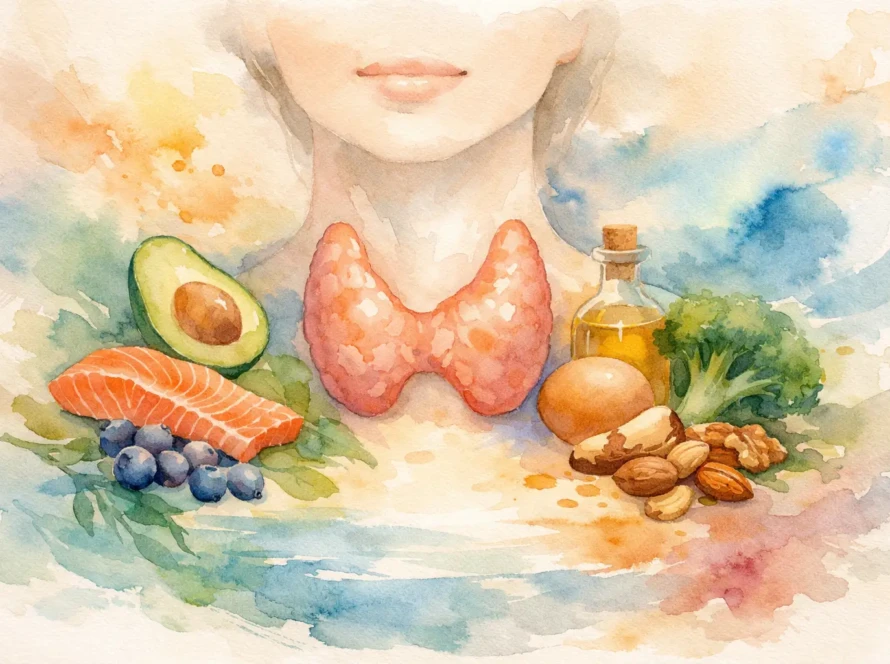
Carbohydrates are not the enemy in thyroid health. The key is portion, quality and balance. Rice, roti, potatoes, oats, fruit and wholegrains can all have a place when paired with protein, vegetables and healthy fats. Nuts, seeds, olive or mustard oil, avocado and oily fish provide fats that make meals satisfying and support overall nutrition.
Address nutrients with care
Iodine, selenium, iron, vitamin D, vitamin B12 and zinc may be relevant for some people with thyroid concerns, but supplements should not be taken blindly. Too much iodine or selenium can be harmful, and a supplement that helped somebody online may not suit you. Blood tests, dietary assessment and medical advice should guide any correction of deficiencies.
Medication Timing Can Influence Thyroid Diet Results
For people prescribed levothyroxine, the timing of medication matters. It is commonly taken on an empty stomach, as advised by your clinician. Calcium and iron supplements, and in some cases high-fibre foods, coffee or soy foods taken very close to the dose can interfere with absorption.
This is not a reason to fear nutritious foods such as milk, yoghurt, tofu or fibre-rich breakfasts. It is a reason to create a routine. Take medication exactly as prescribed, keep timing consistent and ask your doctor or pharmacist how long to leave before breakfast or supplements. Small routine changes can protect the effectiveness of treatment and make your nutrition plan easier to follow.
Foods You Do Not Need to Fear
Social media often turns thyroid nutrition into a long list of forbidden foods: gluten, dairy, cruciferous vegetables, soy, carbohydrates and anything packaged. For most people, this creates more stress than benefit.
Broccoli, cabbage, cauliflower and kale are nutritious vegetables. In normal cooked portions, they are unlikely to cause problems for most people with thyroid conditions, particularly when iodine intake is adequate. Soy can also be included for many people, with sensible spacing from thyroid medication. Gluten-free eating is essential for coeliac disease and may be relevant when medically indicated, but it is not automatically required for every thyroid diagnosis.
An elimination diet may occasionally be useful, but only when there is a clear reason, such as a diagnosed intolerance, digestive symptom pattern or medical recommendation. Restricting foods without a plan can reduce nutrient variety and make healthy eating feel unnecessarily difficult.
A Realistic Timeline for Results
How quickly you notice changes depends on your thyroid condition, medication status, starting habits, sleep, stress and the outcome you are measuring. Better meal structure and reduced bloating may be noticed within a few weeks. Sustainable fat loss generally takes longer and is rarely perfectly linear.
If you have recently started or changed thyroid medication, give your medical team time to reassess your levels according to their advice. Do not alter or stop medication because of a diet plan. Nutrition works best alongside appropriate treatment, not as a substitute for it.
Rather than weighing every day and feeling discouraged by normal fluctuations, track a few useful signs over time: waist measurements, energy levels, sleep quality, digestion, strength, meal consistency and how your clothes fit. This gives a much clearer picture than weight alone.
When Personalised Support Makes a Difference
A generic meal chart cannot account for whether you are vegetarian, managing diabetes, recovering postpartum, training at the gym, dealing with long office hours or cooking for a family. It cannot tell you whether your portion sizes, protein intake, sleep routine or medication timing are holding back progress.
A personalised nutrition plan starts with your medical history, blood reports where available, current medications, food preferences and daily routine. From there, meals can be structured around foods you enjoy, whether that includes dal-chawal, roti-sabzi, eggs on toast, curd bowls or simple one-pot dinners. The aim is not perfection. It is a pattern you can repeat on ordinary weekdays, social occasions and busy travel days.
At LivFit Today, the focus is on practical nutrition that supports measurable outcomes without turning food into a source of fear. With the right plan and medical follow-up, thyroid diet results can become less about chasing quick fixes and more about building energy, confidence and habits that last.