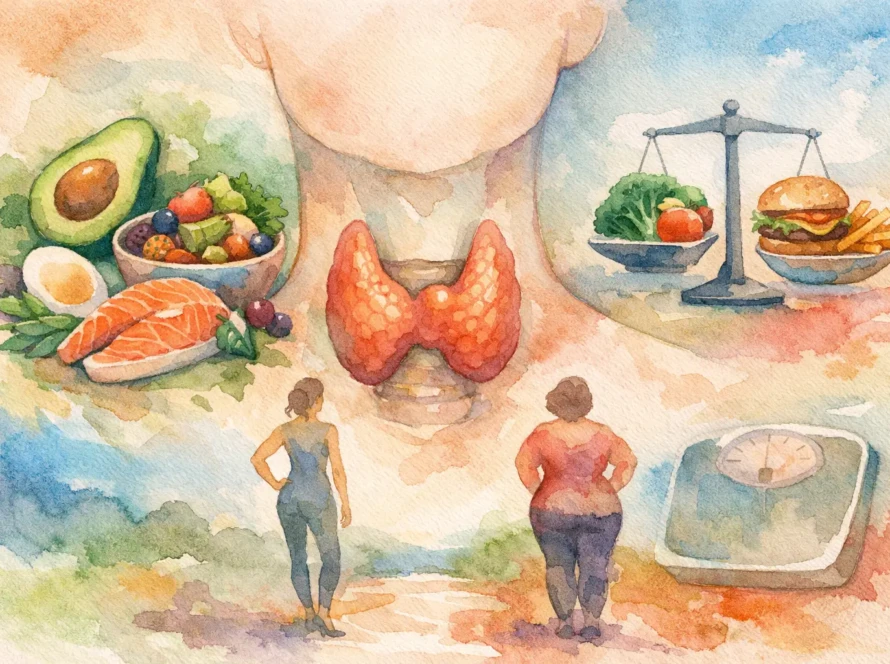
A skipped breakfast, a tiny lunch and guilt over a family dinner may create a calorie deficit, but they rarely create a healthy routine. If you are asking, is calorie deficit safe long term, the honest answer is: it can be, provided the deficit is modest, nutritionally adequate and suited to your body, health and daily life.
Weight loss does require your body to use more energy than it receives over time. But a calorie deficit is a tool, not a lifestyle of constant hunger. The safest approach protects your energy, muscle, mood, hormones and relationship with food while still moving you towards measurable progress.
What a calorie deficit really means
A calorie deficit happens when you consistently eat slightly less energy than your body uses. Your body then draws on stored energy, including body fat, to meet its needs. This is the basic principle behind weight loss, but it does not mean every low-calorie diet is effective or safe.
Your calorie needs are personal. They are influenced by your age, body size, activity level, sleep, stress, medical history, medications and goals. A working professional who walks between meetings has different needs from someone recovering after childbirth, training for a race or managing hypothyroidism. This is why copying a very low-calorie meal plan from social media can leave you tired and frustrated, even if it appears to work for somebody else.
A sustainable deficit usually feels manageable rather than punishing. You should still be able to concentrate at work, exercise appropriately, enjoy meals with your family and get through the day without thinking about food every minute.
Is a calorie deficit safe long term?
For many adults, a carefully planned calorie deficit can be safe for a period of months, especially when weight loss is medically appropriate. However, remaining in a deficit indefinitely is not usually the goal. Once you reach a healthier weight, or have made meaningful progress in your health markers and habits, your intake needs to be reassessed.
Long-term safety depends less on the word “deficit” and more on how it is created. Reducing portions gently, limiting frequent high-calorie extras and building balanced meals is very different from surviving on juices, skipping meals or cutting out entire food groups. The first approach can support steady fat loss. The second can increase the risk of nutrient gaps, overeating later and regaining weight.
A safe plan should include enough protein to support muscle, fibre for digestion and fullness, healthy fats for hormone function, and a wide range of vitamins and minerals. It should also leave room for foods you genuinely enjoy. If your eating plan cannot fit a busy Tuesday, a restaurant meal or a family celebration, it is unlikely to be maintainable for long.
Why very low-calorie diets often backfire
An aggressive deficit may lead to quicker changes on the weighing scale at first, but not all of that change is body fat. Water weight and muscle loss can also contribute. Losing muscle matters because muscle supports strength, mobility, exercise performance and day-to-day energy use.
When intake stays too low for too long, the body and mind often push back. You may feel cold, irritable, tired or preoccupied with food. Workouts can suffer, sleep may become poorer and cravings can become harder to manage. Eventually, a strict plan may end in overeating, guilt and the feeling that you have “failed”. In reality, the plan was asking too much.
This pattern is particularly common for people who have repeatedly started and stopped restrictive diets. The answer is rarely more willpower. It is a better structure: regular meals, satisfying portions, realistic protein and fibre targets, and habits you can repeat without feeling deprived.
Signs your deficit may be too large
Some hunger between meals can be normal when you are changing habits. Persistent physical or emotional strain is not something to ignore. Speak to a qualified dietitian or doctor if you notice several of the following:
- Ongoing fatigue, dizziness, headaches or feeling unusually cold
- Poor concentration, low mood, irritability or disrupted sleep
- Frequent binge eating, intense cravings or anxiety around meals
- Declining strength, poor workout recovery or loss of muscle
- Changes in menstrual cycles, libido, hair health or digestion
- Weight loss that is rapid, unplanned or difficult to control
These signs do not always have one cause, but they are a good reason to review your food intake, medical health and lifestyle. Pushing through them is not a badge of commitment.
How to make weight loss safer and more sustainable
Start with a moderate deficit rather than trying to eat as little as possible. The right pace varies, but gradual loss is generally easier to maintain and gives you more opportunity to preserve muscle and build useful habits. Your progress should be judged by more than the scale. Waist measurements, strength, energy, digestion, blood test results and how your clothes feel can all matter.
Build each main meal around a source of protein, such as eggs, curd, paneer, pulses, fish, chicken, tofu or dal. Add plenty of vegetables or fruit, include a sensible portion of carbohydrates such as roti, rice, oats, potatoes or millets, and do not remove all fats. Nuts, seeds, olive oil, groundnut oil and dairy can all have a place in portions that suit your plan.
Regular movement makes a deficit more supportive of health, but it should not be used as punishment for eating. Walking, resistance training, yoga, cycling or a sport you enjoy can help maintain muscle, improve mood and support heart health. Resistance training is especially useful during fat loss because it gives your body a reason to retain lean tissue.
Sleep and stress deserve attention too. After a short night of sleep, high-sugar or highly processed foods often feel more tempting, and portion control becomes harder. You do not need a perfect routine, but aiming for consistent meals and reasonable sleep can make the plan far easier to follow.
When a calorie deficit needs professional guidance
Do not begin an aggressive deficit without expert support if you are pregnant, breastfeeding, under 18, underweight, recovering from illness or have a history of disordered eating. Children and teenagers need nutrition for growth, so their needs must be assessed very differently from adult weight-loss goals.
Professional guidance is also valuable if you have diabetes, thyroid concerns, PCOS, high blood pressure, kidney disease, digestive conditions or take medicines that affect appetite, blood sugar or weight. A generic plan may not account for medication timing, protein requirements, nutrient restrictions or changes in blood results.
For athletes and highly active people, the challenge is often not simply reducing calories. It is maintaining enough energy for training, recovery and performance while improving body composition. Women navigating pregnancy, postpartum recovery or menopause may also benefit from a more individual approach that considers symptoms, sleep, hormonal changes and family routines.
At LivFit Today, personalised nutrition planning focuses on balanced meals and maintainable habits rather than starvation-based dieting. A well-designed plan should fit your food preferences, work schedule, health history and goals, not demand that you live on bland food or avoid every social occasion.
What happens after you reach your goal?
Reaching a goal weight does not mean you have to keep eating at weight-loss levels forever. This is where many people feel uncertain and either continue restricting unnecessarily or return quickly to old habits. A gradual move towards maintenance calories, while keeping the routines that helped you succeed, is often the more stable path.
Continue prioritising protein, vegetables, regular activity and enjoyable meals. Monitor your weight or waist occasionally without becoming obsessed with daily fluctuations. Holidays, festive meals and busy weeks will happen. Long-term success comes from returning to your usual pattern calmly, not from trying to compensate with extreme restriction.
A calorie deficit should help you build a healthier life, not make your life smaller. Choose an approach that gives you steady results while leaving you well-fed, capable and confident enough to keep going.