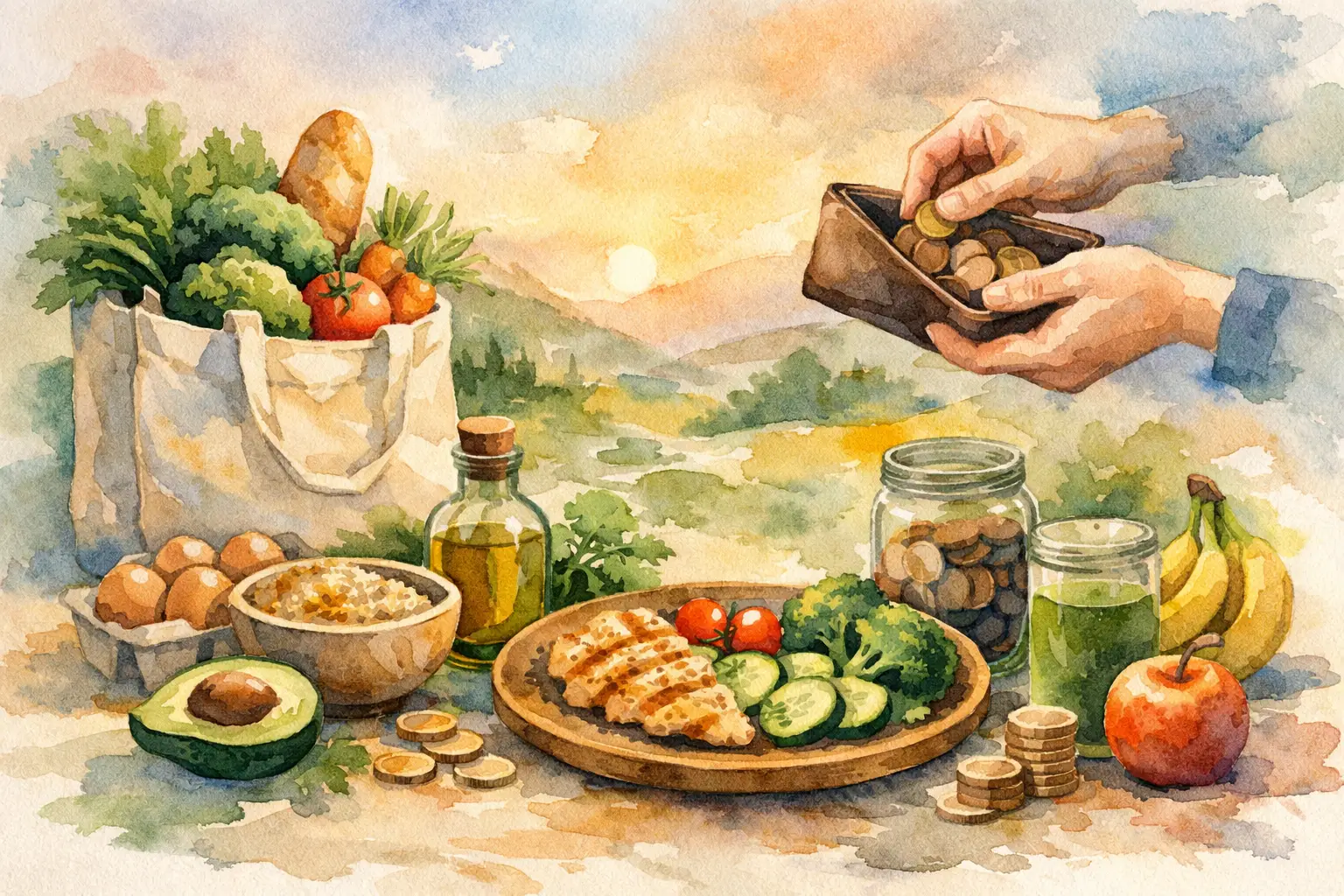
A nutritious food shop does not need to mean an overflowing trolley of expensive “health” products. Learning how to eat healthy on budget is usually less about buying special foods and more about making a few reliable choices: planning meals before you shop, building plates around filling basics, and wasting less of what you buy. These habits can support weight management, steady energy and better family meals without relying on restrictive dieting.
For busy households, the goal is not perfection. It is having affordable food available often enough that ordering a last-minute takeaway is no longer the default.
1. Start with meals, not supermarket offers
A bargain is only a bargain if you will use it. Before shopping, decide what you will eat for the next three to five days and write a short list based on those meals. Check your fridge, freezer and cupboards first. A packet of lentils, frozen vegetables or leftover rice may already be the start of a balanced meal.
Choose simple meals that share ingredients. For example, a pot of dal can be served with rice and salad one day, then used with chapati and vegetables the next. Roasted chicken can become a dinner, a sandwich filling and a protein addition to a salad. This approach reduces food waste, which is one of the quietest drains on a food budget.
Leave a little flexibility in the plan. If vegetables are marked down or a particular fruit is in season, swap it in. Planning should make healthy eating easier, not make your kitchen feel rigid.
2. Build your budget around filling whole foods
The most cost-effective foods are often the least glamorous. Pulses, beans, oats, rice, wholewheat atta, potatoes, eggs, curd and seasonal produce can form the foundation of nourishing meals at a far lower cost than ready-made diet foods, protein bars or heavily packaged snacks.
At most meals, aim for three parts: a source of protein, a high-fibre carbohydrate and vegetables or fruit. Protein helps you stay satisfied, fibre supports digestion and fullness, and vegetables and fruit add essential vitamins and minerals. You do not need an elaborate recipe to make this work.
A bowl of vegetable poha with peanuts, egg bhurji with chapati, rajma with rice and salad, or curd with fruit and oats can all fit the principle. Portions will depend on your activity level, medical needs and health goals, but the structure is useful for most people.
Protein does not have to be expensive
Many people spend more than necessary because they assume healthy eating requires costly cuts of meat or supplements. Eggs, milk, curd, paneer, dals, chana, rajma, soya chunks, tofu, fish when locally affordable, and chicken in sensible portions can all contribute protein.
If you are vegetarian, combine protein-rich foods across the day rather than worrying about making every meal perfect. Dal with rice, chana chaat, curd with a meal, and paneer or tofu in a vegetable dish can create a practical pattern. For those with kidney disease or other medical conditions, protein targets need personalised advice.
3. Buy seasonal, frozen and less processed produce
Seasonal fruit and vegetables are often fresher, tastier and more reasonably priced because supply is higher. Think beyond expensive berries and imported produce. Bananas, guava, papaya, oranges, apples, spinach, cabbage, carrots, gourds, tomatoes and cucumbers can all be excellent choices depending on the season and your local market.
Frozen vegetables are also a smart option, especially for working professionals who struggle to use fresh produce before it spoils. They are convenient, can reduce preparation time and are useful for quick curries, stir-fries, soups and omelettes. Tinned beans are similarly helpful, though rinsing them can reduce excess salt.
Pre-cut fruit, flavoured yoghurt, diet biscuits and bottled smoothies may appear healthy, but they often cost more per serving and may contain added sugar or salt. Convenience has a place on especially busy days, but it should not be the foundation of your food routine.
4. Cook once and create more than one meal
You do not need to spend Sunday preparing every meal for the week. Even one or two batch-cooked components can make a major difference. Cook a large portion of dal, chickpeas, brown rice, vegetable sabzi or grilled chicken, then store portions safely for the next few days.
This is particularly helpful when hunger strikes after a long commute or a demanding workday. If a balanced meal can be assembled in ten minutes, you are much more likely to eat it. Keep easy additions at home: eggs, curd, fruit, roasted chana, chopped vegetables, wholegrain bread or leftover rotis.
Use leftovers thoughtfully rather than treating them as second-best food. Leftover vegetables can go into a wrap or omelette. Extra rice can become vegetable fried rice with eggs or tofu. A little leftover dal can be turned into soup by adding vegetables and water. Variety comes from changing flavours and combinations, not constantly buying new ingredients.
5. Make snacks work harder for you
Snacking is not a problem in itself. The issue is when hunger is met only with foods that are easy to overeat and do not keep you full. Biscuits, crisps, sugary drinks and bakery items can seem inexpensive individually, but buying them regularly adds up quickly while offering little nutritional value.
Choose snacks with protein, fibre or both. Fruit with curd, roasted chana, peanuts in a measured portion, boiled eggs, vegetable sticks with hummus, makhana, or a small homemade chaat are more satisfying options. Keep them visible and ready to eat, particularly if you tend to snack between meetings or while travelling.
Tea and coffee also deserve attention. Several cups with sugar, biscuits or fried snacks can quietly affect both your budget and your weight goals. You do not have to give them up completely. Start by reducing the extras around them and notice whether you are actually hungry, tired or simply taking a break.
6. Know when value matters more than the cheapest price
Buying in bulk can save money for items you use regularly, such as oats, pulses, rice, nuts or spices. But bulk buying fresh food is not always wise if much of it ends up in the bin. The best value is the food you eat, not the lowest price on the label.
Compare unit prices when possible, but also consider preparation and waste. A larger bag of carrots may be excellent value for a family that cooks daily, while a smaller bag may suit one person better. If you live alone, divide cooked portions into containers and freeze what you will not use promptly.
Store food properly. Keep leafy vegetables dry, freeze bread if you do not finish it quickly, and use older produce first. These small habits can free up money for better-quality staples without raising your overall spend.
7. Avoid the all-or-nothing diet trap
Healthy eating on a budget becomes difficult when you follow rules that are too strict to sustain. Cutting out every favourite food can lead to cravings, unplanned spending and the feeling that healthy eating is a punishment. A sustainable plan leaves room for meals you enjoy.
You might have a restaurant meal at the weekend, share dessert with family or enjoy a favourite snack occasionally. Balance the rest of the day rather than trying to compensate by skipping meals. Extreme restriction often backfires, especially for people managing emotional eating, a demanding schedule or repeated weight-loss attempts.
For weight loss, the focus should be on consistent portions, adequate protein, vegetables, regular meals and an overall calorie intake suited to you. Starving yourself is not a cost-saving health strategy. It can leave you tired, over-hungry and more likely to overeat later.
8. Adapt the plan to your health needs
General budget tips are helpful, but nutrition is not one-size-fits-all. Someone managing diabetes may need to pay closer attention to carbohydrate portions and meal timing. A person with high blood pressure may benefit from reducing packaged salty foods. During pregnancy, nutrient needs change, while children need regular, varied meals rather than adult-style dieting.
If you have thyroid concerns, digestive symptoms, PCOS, high cholesterol, kidney issues or a history of disordered eating, avoid copying a generic meal plan from social media. The cheapest plan is not useful if it does not meet your medical needs or fit your lifestyle. Personalised guidance can help you prioritise what matters, so money is spent on foods that genuinely support your goals.
At LivFit Today, we encourage practical nutrition that works with your routine, culture, preferences and health requirements. The most effective meal plan is one you can continue after the initial motivation fades.
Healthy eating is not defined by expensive ingredients or flawless meals. It is built in ordinary moments: packing a filling lunch, cooking one extra portion, choosing fruit before a sugary snack, and returning to your routine after a busy day. Start with one habit that feels realistic this week, then let that consistency do the hard work.